
Your Guide to PCR
Last Updated on April 20, 2026 by Kira Andrus
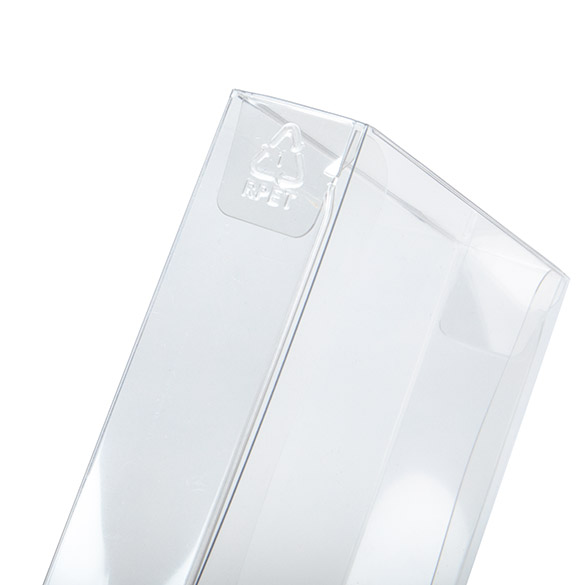
Sustainability in packaging is becoming a greater priority for most businesses due to consumer demand, environmental responsibility, and increasing regulations. Post-Consumer Recycled (PCR) plastics offer a way to meet regulatory requirements, satisfy eco-conscious consumers, and strengthen supply chain resilience—but understanding PCR can be complex. This guide breaks down everything businesses need to know to make informed decisions about integrating PCR into their packaging strategies.
What Is PCR?
Post-consumer recycled (PCR) plastics come from products that consumers have already used and placed in recycling systems—like water bottles, detergent containers, or packaging films. These materials are collected, cleaned, and processed into pellets that manufacturers can use to make new products. PCR helps reduce landfill waste, conserve resources, and support a circular economy.
What Is the Difference Between PIR and PCR?
While PCR comes from post-consumer materials, post-industrial recycled (PIR) plastics are made from manufacturing scrap—material captured on the production floor before it ever reaches consumers. PIR is highly consistent in quality and usually lower in cost, because it hasn’t been used or contaminated. PCR, in contrast, varies from batch to batch and requires more complex sorting and processing, but it plays a critical role in reducing post-consumer waste and supporting sustainability goals.
Why Does PCR Packaging Matter?
Using post-consumer recycled plastic is an important part of sustainability efforts because it diverts plastics from landfills and oceans and gives them a second life. About 75% of ocean plastic pollution originates on land, mostly from poorly managed post-consumer waste, killing roughly 100,000 marine mammals and one million seabirds each year. Redirecting plastics to recycling and improving clarity on what can be easily recycled are crucial steps to address this problem. Utilizing PCR materials not only helps reduce ocean-bound plastic waste but also maintains material circulation within the supply chain. This reduction in reliance on virgin, fossil-based plastics advances circular economy goals and promotes the sustainable stewardship of natural resources.
Additionally, by reducing reliance on virgin plastics, post-consumer recycled packaging transforms plastic waste into a valuable resource, helping companies lower their environmental impact while supporting a circular economy. Around the world, regulations are accelerating this shift: the EU, Canada, and several U.S. states have introduced minimum PCR content requirements for packaging. Certified PCR materials not only help brands stay compliant but can also reduce costs through incentives and lower fees in states such as California. Industries like fashion and food and beverage are leading this transition, incorporating higher levels of recycled materials to meet sustainability targets and consumer expectations. With regulatory bodies mandating specific percentages of recycled content—particularly post-consumer materials—the global PCR plastics market is poised for significant growth, projected to rise from $15.42 billion in 2021 to $22.37 billion by 2028.
What Are Some of the Challenges with PCR Plastics?
Food-grade PCR and sustainable packaging offer significant environmental benefits, but they come with notable challenges. Limited supply, higher costs, and inconsistent quality can make it difficult for brands to fully rely on recycled materials. These issues are compounded by gaps in recycling infrastructure—most curbside programs focus on PET and HDPE, leaving other plastics largely uncollected, while compostable packaging faces even greater processing limitations. Significant investment is needed to expand recycling capacity and establish stable, scalable supply chains.
Contamination is another major hurdle. Recycled plastics can carry residues like food, dirt, or oils, which can clog equipment, weaken products, change colors, or produce odors. Unlike virgin plastics, recycled materials also vary from batch to batch, making consistent performance a challenge for manufacturers. For food-contact applications, PCR must meet strict FDA and EFSA standards, and some recycled plastics may contain chemicals from prior use, making thorough testing essential to ensure safety and compliance.
High demand across industries is also outpacing recycling infrastructure. Collecting and reusing post-consumer waste remains one of the biggest hurdles in achieving circular packaging. By committing to use PCR materials, companies not only help create demand that encourages recycling but also support the stability of the recycled materials market. PCR certification further builds trust between buyers and sellers, helping ensure consistent supply and reliable quality.
Access to recycling programs remains a critical barrier. Around 40% of Americans lack basic recycling services, and $17 billion is needed to improve collection and sorting nationwide. Expanding waste management systems, strategically placing public drop-off points, and educating consumers on responsible disposal are key steps to increasing the availability of PCR materials. Without these improvements, the U.S. risks falling short of its 2025 plastics packaging targets—especially for PET—even as industries increasingly seek to meet sustainability goals.
What Are Some Common Types of PCR Plastics?
Among the various types of PCR materials used in packaging, recycled polyethylene terephthalate (rPET) stands out as one of the most widely adopted. Known for its clarity, strength, and versatility, rPET is commonly used in beverage bottles, clamshells, and other clear packaging applications—and is a widely used material for brands seeking to integrate recycled content without sacrificing performance or quality. Over 90% of recycled PET is used to make new bottles and containers, thanks to the efficiency of the recycling process. This reduces landfill waste, conserves raw materials and lowers carbon emissions, making rPET a sustainable choice for packaging.
Building on these advantages, modern recycling processes produce rPET that is comparable in clarity, strength, and durability to virgin PET. Certified rPET grades meet FDA and EFSA standards for food-contact packaging. Unlike virgin PET, which can only be recycled a limited number of times, rPET can be recycled indefinitely without losing its properties. Although repeated heat cycles can reduce the polymer’s intrinsic viscosity (IV), recyclers can add stabilizing additives to restore IV and extend the material’s usable life. Because it also requires less energy to produce, rPET remains one of the most sustainable and scalable options for packaging that prioritizes recycled content.
In addition to rPET, several other types of post-consumer recycled plastics are widely used in packaging. Recycled high-density polyethylene (rHDPE) is commonly found in milk jugs, detergent bottles, and other rigid containers. Recycled polypropylene (rPP) is used for caps, tubs, and flexible films, while recycled low-density polyethylene (rLDPE) is often incorporated into films, flexible bags, and mailers. Together, these PCR materials offer brands versatile options for integrating recycled content across a wide range of packaging formats.
Each type of PCR packaging has unique challenges in quality, clarity, and food-contact compliance. Just like fair trade ingredients or FSC-certified paper, post-consumer recycled plastics should follow verified ethical sourcing. Certified audits like Association of Plastic Recyclers (APR) or SCS Global Services ensure responsible waste collection, sustainable treatment, and innovative solutions for hard-to-recycle plastics—turning waste into a trusted, sustainable resource for your business.
What Are the Trends and Innovations for PCR Packaging?
Post-consumer recycled plastics are advancing rapidly thanks to technological, corporate, and regulatory developments. As previously mentioned, Recycled PET (rPET) is widely used in beverage bottles and packaging. PET can be recycled mechanically—through closed-loop processes that blend rPET with virgin PET or downcycled into lower-value products—or chemically, breaking it into monomers to create “like-new” material. Chemical recycling, a relatively new and developing method, reduces reliance on petroleum feedstock while producing high-quality plastics suitable for food-contact applications.
Another advancement is improved sorting and recycling technologies that are producing higher-purity, single-grade PCR plastics, addressing contamination and performance concerns. From 2021 to 2025, U.S. PCR supply for packaging more than doubled due to expanded capacity and advanced processing systems. Companies are also moving toward mono-material packaging, simplifying recycling and improving PCR quality.
Corporate and regulatory initiatives are driving further adoption and innovation. Major brands like Unilever, Coca-Cola, Pepsi, Logitech, and Nestlé have set PCR content targets of 25–50% by 2030, while more than 10 states have introduced recycled content mandates under Extended Producer Responsibility (EPR) laws. These measures create stable demand, encourage investment, and support local recycling programs, helping to increase collection rates and produce higher-quality PCR materials. Together, these trends are making sustainable packaging with PCR plastics increasingly attainable and impactful.
What Businesses Should Consider with PCR Packaging
When incorporating PCR packaging, companies need confidence in the materials they choose. Start by selecting certified products and requesting copies of third-party certifications to verify quality and compliance.
Testing is essential. Evaluate strength, barrier performance, and visual properties before replacing virgin plastics, and request samples to ensure the material meets your packaging needs. If you highlight sustainability credentials, make sure all claims are truthful, accurate, and verifiable in accordance with FTC Green Guides.
Recyclability should also be a key consideration. Using rPET, for example, reduces reliance on fossil fuels and offers significant environmental benefits—saving over three tons of CO₂ per ton produced and generating 60% less water pollution compared to virgin PET. To maximize these benefits, proper recycling and disposal are essential. With growing consumer demand and expanding recycling infrastructure, rPET and other PCR materials are positioned to play a central role in sustainable packaging strategies.
