
How to Package Fishing Lures and Baits for Today’s Market
Last Updated on May 6, 2026 by Kira Andrus
Fishing continues to grow as one of the most popular outdoor activities worldwide. From weekend anglers to professional guides, millions of people rely on quality fishing tackle to make every cast count. As the industry expands, so does the demand for durable, retail-ready fishing lure packaging.
For lure manufacturers, bait makers, and tackle brands, packaging plays a critical role in protecting products, meeting retail requirements, and standing out in a competitive market. Whether you’re selling online or supplying major retailers, choosing the right fishing bait packaging can impact both product safety and customer perception.
This guide explains how to package fishing lures and baits while staying aligned with current industry trends.
The Growing Fishing Lure Market
The fishing bait and lure market continues to grow as recreational fishing gains popularity and more small tackle brands enter the industry. Online marketplaces, independent lure makers, and direct-to-consumer sales are all driving this expansion.
Because of this growth, packaging has become an important differentiator. Effective fishing tackle packaging helps brands:
- Protect sharp hooks and delicate lure components
- Prevent scent or oil leakage from soft plastics
- Display products clearly for retail shelves and online listings
- Meet retailer and fulfillment requirements
As more brands compete for attention, well-designed packaging can help products stand out both in stores and online.
Sustainability Trends in Fishing Tackle Packaging
Environmental concerns are reshaping the fishing industry, especially when it comes to plastics used in lures and packaging. Many brands are transitioning toward eco-friendly materials to reduce environmental impact. Recyclable or biodegradable packaging can help reduce plastic entering waterways while lowering overall shipping weight.
Some tackle companies are now exploring:
- Mono-material packaging made from a single recyclable plastic
- Recyclable PET or polypropylene pouches
- Compostable films for environmentally focused brands
- Minimalist packaging designs that reduce material use
In some cases, brands are replacing rigid plastic clamshells with flexible pouches that use less material and reduce shipping costs.
These sustainable packaging solutions allow fishing brands to align with growing consumer expectations while improving operational efficiency.
Packaging Challenges for Fishing Lures and Baits
Fishing tackle presents unique packaging challenges compared with many other retail products.
Many baits and lures contain:
- Sharp hooks that can puncture thin packaging
- Oils and scent attractants that can weaken certain materials
- Soft plastics that require moisture and scent barriers
- Metal components that may scratch packaging
Because of this, fishing lure packaging often uses stronger materials such as thick vinyl pouches, laminated barrier bags, or rigid plastic boxes. These materials help protect both the lure and the customer while preserving product quality during shipping and storage.
Barrier-style packaging is especially important for scented soft plastics because it helps contain oils and prevent odor transfer between products.
Retail Packaging Requirements for Fishing Tackle
Brands hoping to sell through major retailers must also consider strict packaging standards.
Large retailers like Walmart, Amazon, and Bass Pro Shops often require products to be “shelf-ready,” meaning they can be stocked quickly and displayed easily.
Common retail packaging requirements include:
Standardized package sizes
Products should stack easily and fit securely on shelves or pegboards.
Durable hang holes
Pegboard displays require strong hang tabs or reinforced holes to prevent tearing.
Barcode compliance
Most retailers require GS1-compliant UPC or GTIN barcodes that are easy to scan.
Clear labeling
Packages should clearly display the brand name, product description, and country of origin.
Tamper-evident packaging
Retailers often prefer packaging that clearly shows if a product has been opened.
Meeting these requirements ensures products can move smoothly through retail distribution and inventory systems.
Packaging Considerations for eCommerce Sellers
Many fishing lure brands now start online before expanding into retail stores. For eCommerce sellers, packaging must balance protection, cost efficiency, and visual appeal.
Important considerations include:
- Lightweight materials to reduce shipping costs
- Clear packaging that displays the lure or bait
- Durable materials that protect products during transit
- Packaging available in smaller quantities for small-batch production
Flexible bags and clear pouches are especially popular with independent lure makers because they offer professional presentation while keeping packaging costs manageable.
Best Packaging Options for Fishing Lures and Baits
Different types of fishing tackle require different packaging formats. Choosing the right option helps protect the product and improve retail presentation.
Zipper Bags for Small Tackle
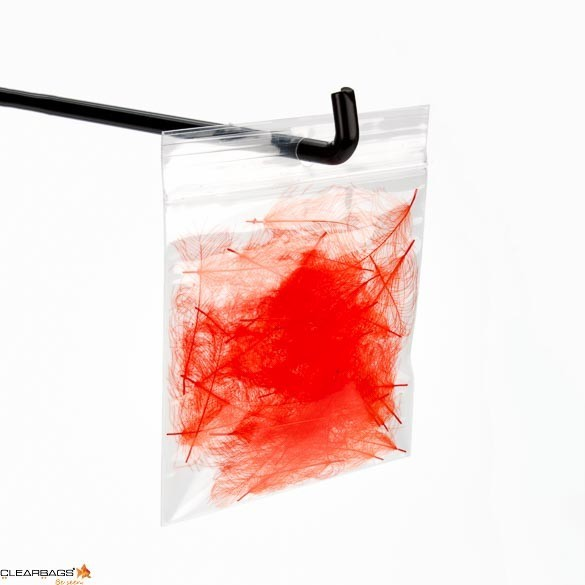
Crystal clear zipper bags with hang holes are ideal for packaging small items such as hooks, swivels, weights, and fly tying materials. They offer visibility, easy access, and efficient merchandising for high-volume SKUs.
Vinyl Pouches for Hooks
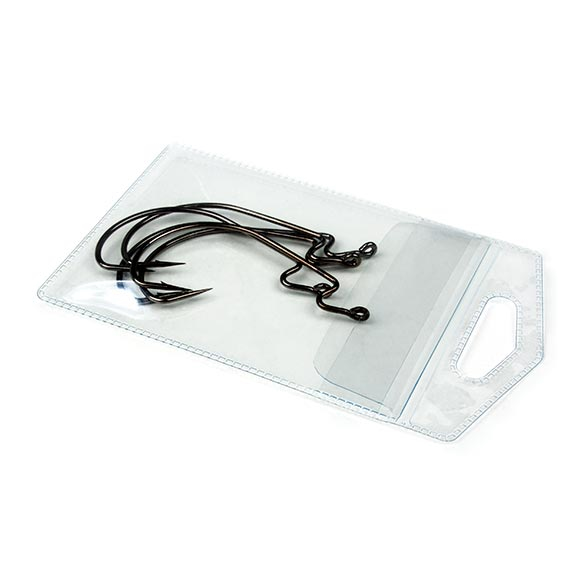
Thicker vinyl pouches provide added durability and resistance to abrasion, making them a strong option for sharp or heavy components. While they can be used for hooks and jigs, many brands opt for rigid formats to better secure and display these items.
Barrier Bags for Soft Plastic Baits
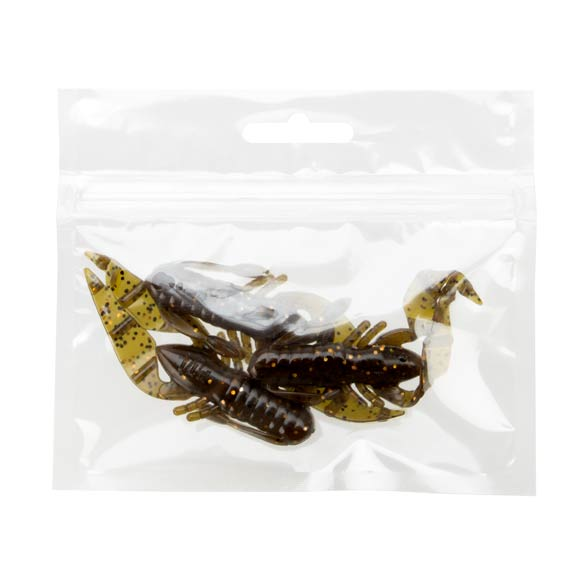
Barrier zipper bags (often called “worm bags”) are specifically designed to contain the oils and scents used in soft plastic lures. These materials help prevent leakage while preserving product integrity and extending shelf life.
Rigid Packaging for Hard Baits and Jigs
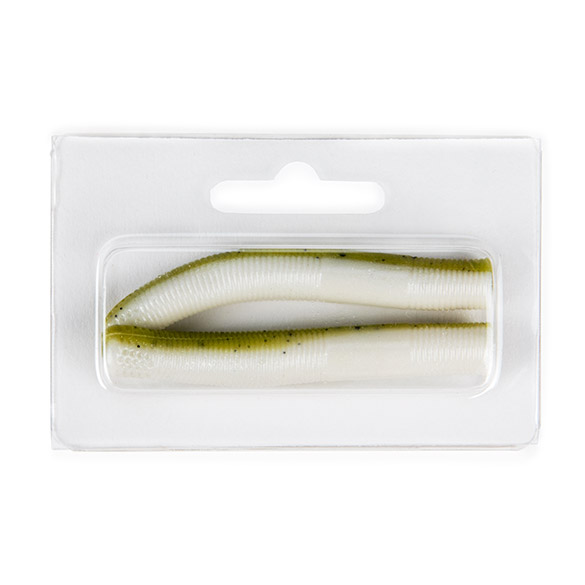
Rigid clear boxes, clamshells, and slide blister packaging are widely used for crankbaits, jerkbaits, jigs, and other hard tackle. These formats provide strong structural protection while offering full product visibility at retail.
Clear and Paper Boxes for Line
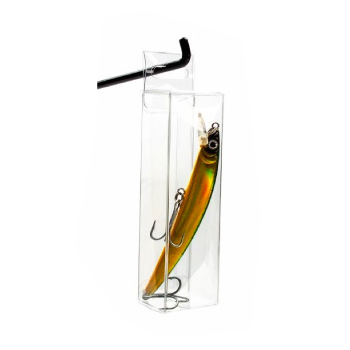
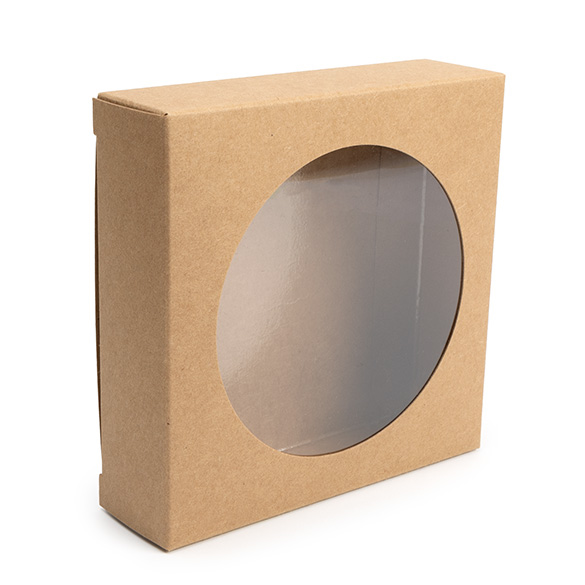
Fishing line is commonly packaged in both clear and paperboard boxes, allowing brands to balance visibility with branding and sustainability goals.
Final Thoughts
As the fishing industry grows, so does the importance of effective fishing lure packaging. The right packaging protects sharp hooks, preserves bait quality, and helps products stand out on retail shelves and online marketplaces. By considering sustainability trends, retail requirements, and product protection needs, lure makers can choose packaging that supports both brand growth and environmental responsibility.
For fishing tackle brands looking to expand into retail or eCommerce, smart packaging decisions can make the difference between a product that simply ships and one that truly sells.
