
Flat vs. Gusseted Bags: Which Packaging Style Is Best?
Last Updated on June 24, 2026 by Kira Andrus
Choosing between flat and gusseted bags seems simple until you’re trying to package a real product.
A bag that’s too tight can distort presentation, stress seals, and damage products. A bag that’s too large increases material costs and shipping volume. The right packaging style affects everything from shelf appeal to fulfillment efficiency.
So which option is best: flat bags or gusseted bags?
The answer depends on your product shape, display goals, storage needs, and overall packaging strategy.
What Are Flat Bags?
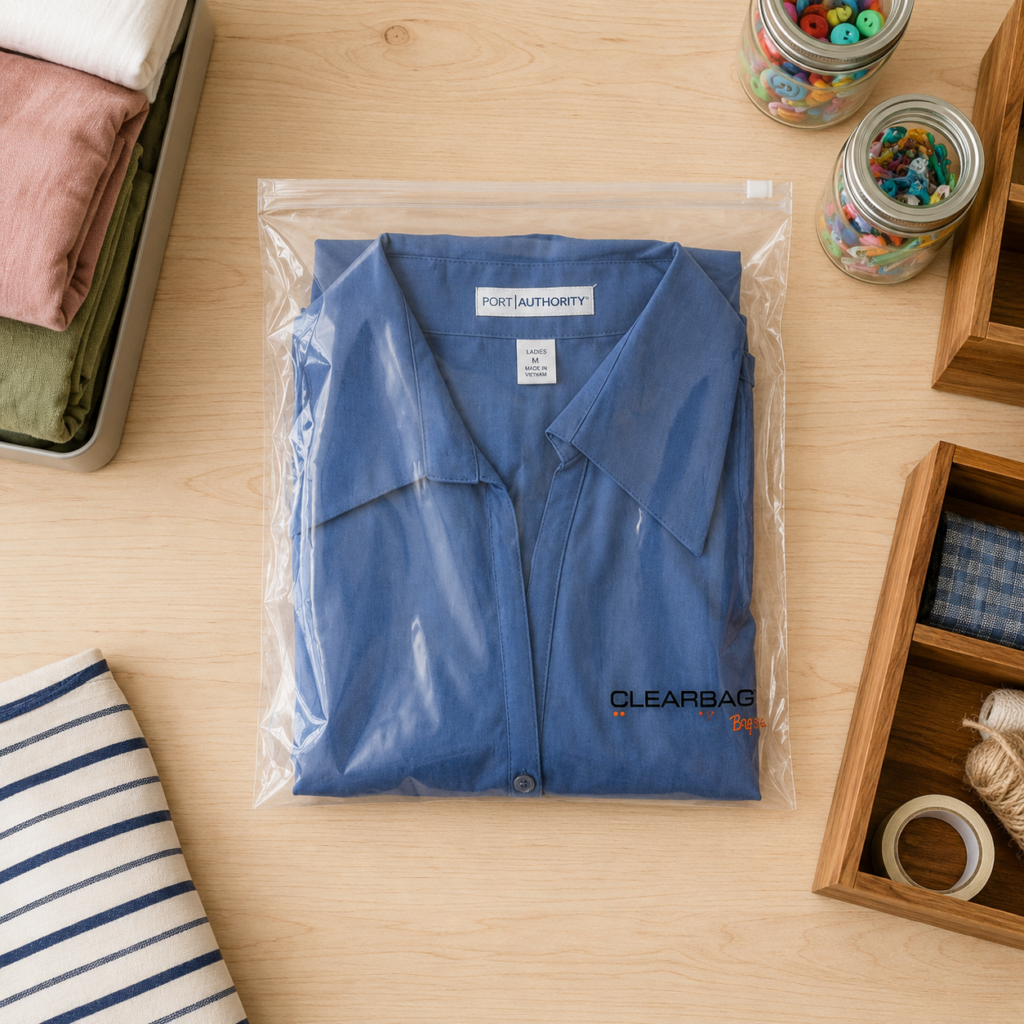
Flat bags are sealed on three sides with no expandable panels or folds. Because they lie completely flat, they create a clean, minimal packaging profile and are one of the most common packaging bag types used across retail and shipping applications.
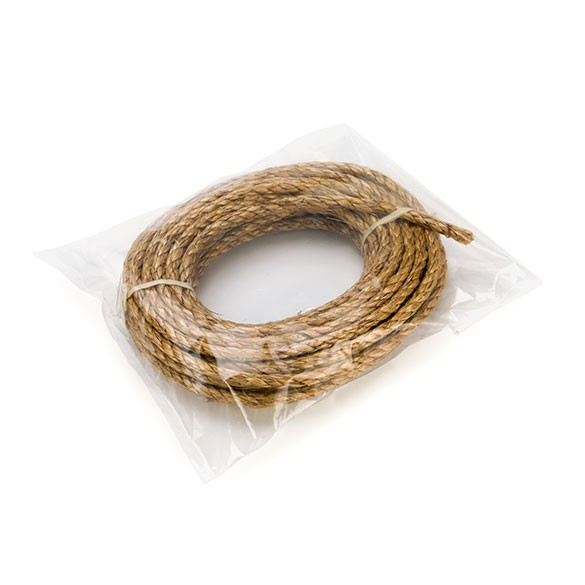
Common flat bags packaging uses include:
- Apparel like t-shirts and socks
- Stationery and paper goods
- Photos, prints, and artwork
- Thin retail products
- Single-item packaging
Flat bags are especially popular because they are simple, efficient, and cost-effective.
Key Benefits of Flat Bags
Lower Cost
Flat poly bags generally use less material than gusseted alternatives, making them more economical for high-volume packaging.
Efficient Storage
Because they don’t expand, flat bags store compactly both before and after filling.
Clean Presentation
Flat bags create a sleek, streamlined appearance that works well for products with a slim, consistent profile.
For many businesses, flat bags are the best option when simplicity and efficiency matter more than dimensional presentation.
Explore flat bag options here:
ClearBags Flat Bags Collection
What Are Gusseted Bags?
Gusseted bags include extra material folded into the sides or bottom of the bag, allowing the packaging to expand when filled. This expandable structure gives gusseted packaging significantly more flexibility than flat bags.
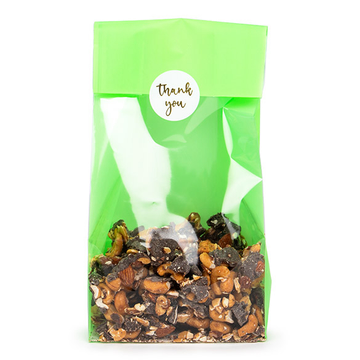
Types of Gusseted Bags
Side Gusset Bags
Expandable side panels allow the bag to widen when filled, making them ideal for bulky products or stacked items.
Bottom Gusset Bags
A folded bottom expands outward to create a stable base.
Stand-Up Pouches
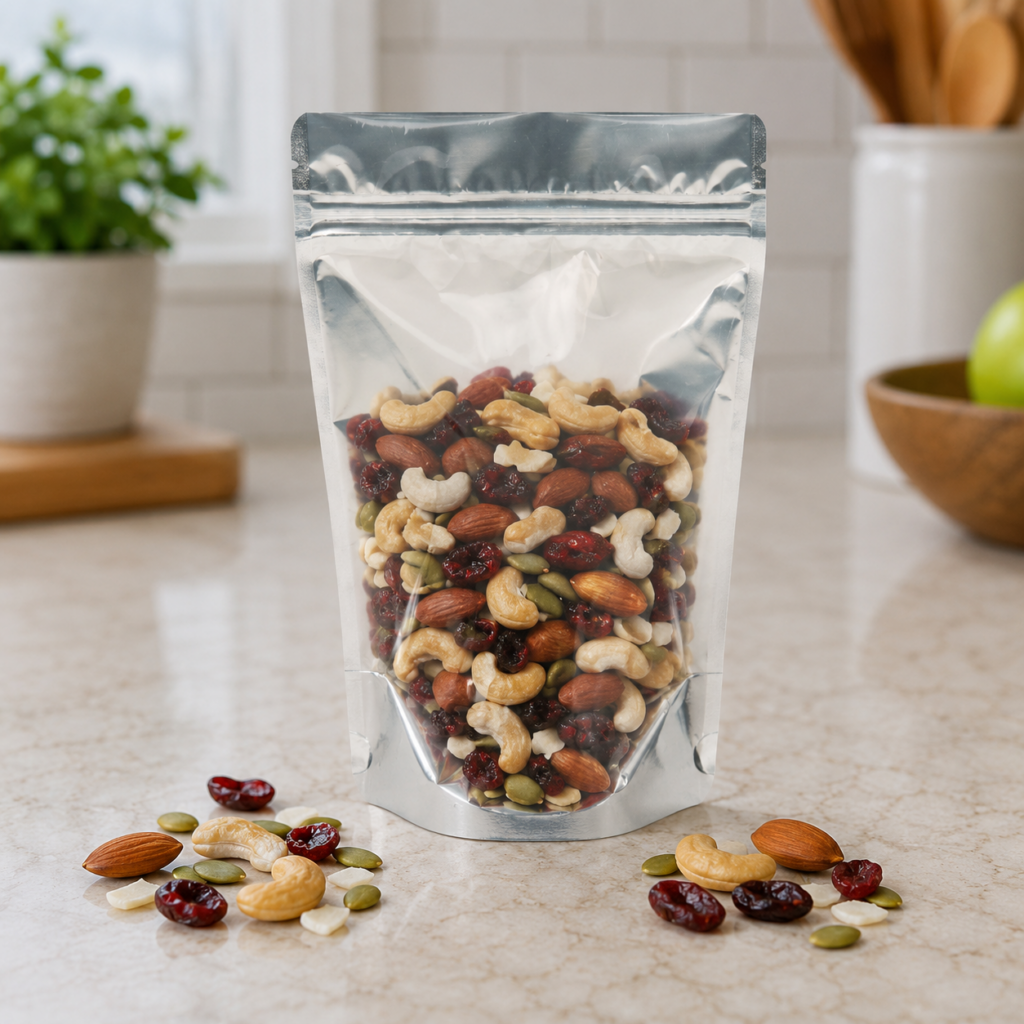
A variation of bottom gusset bags designed to stand upright on retail shelves for maximum visibility.
Common Uses for Gusseted Bags
- Coffee and food packaging
- Baked goods and cookies
- Gift packaging
- Bulk retail products
- Multi-item assortments
- Odd-shaped items
Key Benefits of Gusseted Packaging
Increased Capacity
Gussets create additional interior space without dramatically increasing bag dimensions.
Better Product Fit
Bulky or irregularly shaped items fit more naturally without creating stress on seams.
Improved Shelf Presentation
Stand-up and gusseted packaging creates a fuller, more structured appearance that enhances retail visibility.
For many retail and food businesses, gusseted packaging benefits extend beyond protection into branding and merchandising.
Explore gusseted bag options here:
ClearBags Gusset Bags Collection
Flat vs. Gusseted Bags: Key Differences
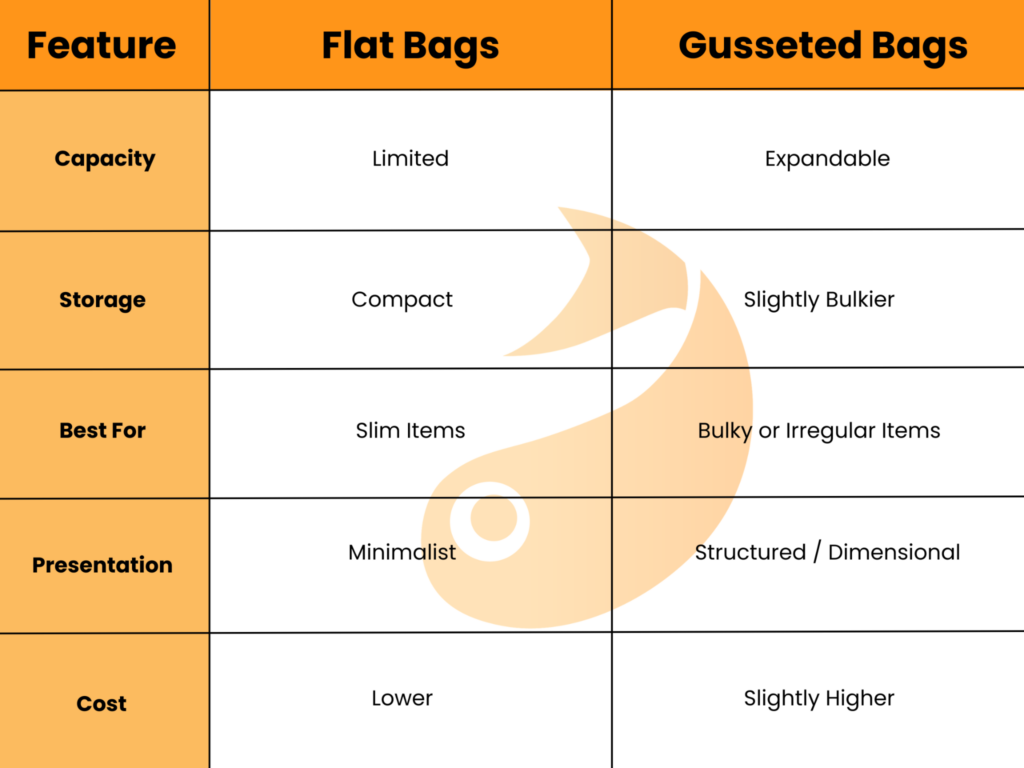
The biggest difference comes down to dimensional flexibility. Flat bags maintain a slim profile, while gusseted bags adapt to the product inside.
When to Use Flat Bags
Flat bags work best when your product:
- Has a thin or consistent shape
- Doesn’t require expansion space
- Benefits from minimalist packaging
- Needs cost-effective packaging at scale
- Ships or stores more efficiently in flat formats
For example, flat poly bags are ideal for prints, apparel, stationery, and individually packaged thin baked goods. They also work well when visibility is important but dimensional presentation is not.
Important Consideration for Food Packaging
Many businesses underestimate how much space baked goods actually require.
Cookies, macarons, and pastries are three-dimensional products. If a flat bag is too narrow, the product may appear compressed or distort the packaging shape.
When using flat bags for food products, businesses should size for both width and depth, not just surface dimensions.
When to Use Gusseted Bags
Gusseted bags are the better choice when products need more flexibility or structure.
Use gusseted bags when your product:
- Requires extra interior space
- Has an irregular or bulky shape
- Needs upright shelf display
- Benefits from a fuller appearance
- Includes multiple items in one package
This is especially important in food packaging applications.
For cookies, for example, gusseted bags prevent the “overstuffed” appearance that often happens with flat bags.
Why Gusseted Bags Work Better for Many Food Products
Side gusset bags are excellent for stacked cookies or tall products because the sides expand naturally during filling.
Bottom gusset bags and stand-up pouches provide even greater stability for retail shelves while improving visibility and presentation.
They also help products look more substantial and professionally packaged.
And because most gusseted bags are heat sealable, businesses can improve freshness while maintaining a polished appearance.
Industry-Specific Use Cases
Food Packaging
Gusseted bags are commonly used for:
- Coffee
- Popcorn
- Candy
- Bakery products
- Chocolate
- Cake pops
Stand-up pouches are particularly popular because they combine shelf stability, resealability, and strong brand visibility.
Retail & Apparel
Flat bags remain a preferred option for:
- Clothing
- Accessories
- Paper products
- Thin retail items
Their slim structure helps reduce storage space and packaging costs.
Gift Packaging
Both styles work well depending on presentation goals.
Flat bags create a cleaner, simpler appearance, while gusseted bags offer a more dimensional and gift-ready presentation.
Choosing the Right Bag for Your Product
To decide between flat bags vs gusseted bags, consider:
- Product dimensions
- Weight and density
- Retail display needs
- Shipping efficiency
- Desired customer experience
- Brand presentation goals
How to Measure Bags Correctly
Bag sizing can be more complicated than it first appears, especially for food products. Many stand-up pouch sizes are based on whole coffee bean volume as a reference point, which means product density can significantly affect actual capacity.
For example, lightweight products may fill more space than denser items of the same weight. That’s why testing packaging with your actual product is always recommended before placing large orders.
For flat bags, start by measuring your product’s:
- Width
- Depth
- Length
Then add approximately 1/2″ to 1″ of extra space for a comfortable fit and easier sealing.
A general sizing formula is:
- Bag width = product width + product depth + allowance
- Bag length = product length + product depth + allowance
This extra room helps prevent overcrowding, improves presentation, and reduces stress on seals during shipping or display.
In many cases, testing both styles with actual product samples is the best way to evaluate fit and presentation before scaling production.
Explore Flat and Gusseted Packaging Options
Whether you need sleek flat bags for retail products or expandable gusseted packaging for food and bulk items, selecting the right structure improves both functionality and presentation.
Browse packaging options here:
FAQs
What is the difference between flat and gusseted bags?
Gusseted bags include expandable folds on the side or bottom, allowing the bag to expand when filled. Flat bags have no expansion panels and maintain a slim profile.
Are gusseted bags better for food packaging?
Often, yes. Gusseted bags provide extra space for bulky or stacked food products like cookies and baked goods while improving shelf presentation and reducing product compression.
Do gusseted bags cost more than flat bags?
Generally, yes. Gusseted bags use more material and involve more complex construction, which can increase cost slightly compared to flat poly bags.
Can flat bags hold bulky items?
They can, but sizing becomes critical. Bulky products may strain seams or distort presentation if the bag is too small. Gusseted bags are usually the better option for products with depth or irregular shapes.
