
How to Package Bread: A Simple Guide for Home Bakers
Last Updated on November 25, 2026 by Kira Andrus
There’s nothing quite like freshly baked bread. The smell, the texture, the golden crust! It’s all part of the experience, and when you’ve put time and care into baking, the way you package your bread should reflect that.
Whether you’re gifting a loaf, selling at a farmers market, or just trying to keep your bread fresh longer, the right packaging can make a big difference. It helps protect your baked goods, supports the texture you worked so hard to achieve, and makes everything look as good as it tastes.
So how do you choose the best option? Start by thinking about what you’re packaging, how much you’re selling, and how long you want it to stay fresh.
Why Bread Type Matters
Not all bread should be packaged the same way. Some loaves are crisp and crusty on the outside, while others are soft and tender all the way through. Packaging affects how moisture and air interact with your bread, which can directly impact texture and quality.
A quick rule of thumb:
- Crusty breads need airflow
- Soft breads need moisture retention
Once you know which category your bread falls into, choosing the right bag becomes much easier.
Best Packaging for Crusty Bread
If you’re baking sourdough, baguettes, ciabatta, or rustic loaves, you’re working with that perfect combination of a crisp crust and soft interior. The challenge? Keeping the crust from going soft.
Micro-Perforated Bread Bags
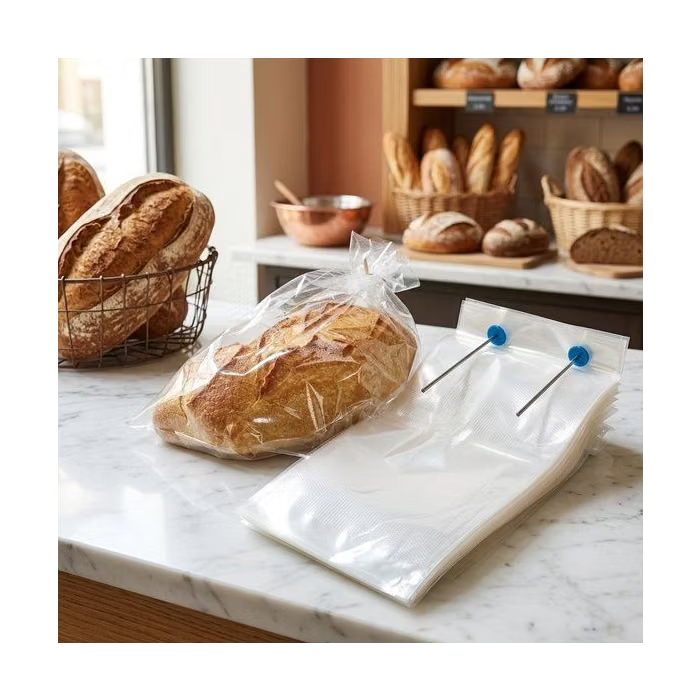
Micro-perforated bread bags are one of the best options for crusty bread. These clear bags have tiny holes that allow moisture to escape while still protecting the loaf, helping reduce the amount of condensation that can collect inside the package.
They’re also great for presentation. The clear packaging material shows off your bread beautifully, and they even let that fresh-baked aroma subtly come through. When you’re ready to close the bag, you can use a simple twist tie or sealer for a quick, neat finish.
Kraft Bread Bags with Window
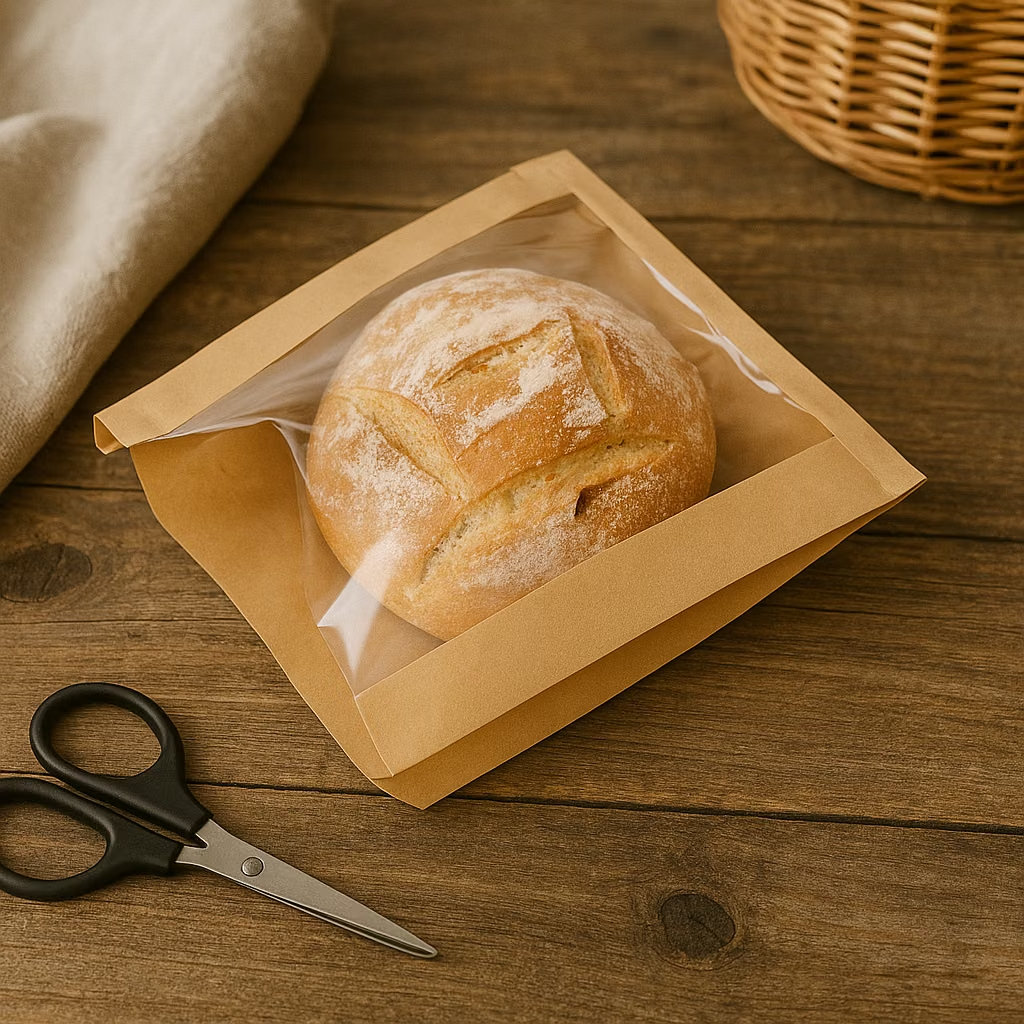
If you love a more rustic, bakery-style look, kraft bread bags with a window are a favorite, especially for gifting or farmers markets. These bags combine natural kraft paper with a clear panel so your bread is still visible. They’re perfect for sourdough rounds, focaccia, and other artisan loaves.
The sides expand to fit larger breads, and you can leave them open for display or fold them over and seal with a sticker or label. It’s a simple way to make your bread feel thoughtful and ready to share.
Best Packaging for Soft Bread
Soft breads and other tender baked goods have different packaging needs. Dinner rolls, brioche, banana bread, muffins, and cinnamon rolls generally benefit from packaging that helps protect them from air exposure and handling.
Poly Flat Bags
Poly flat bags are a great all-around option for soft baked goods. They’re clear, lightweight, and come in a wide range of sizes, so you can easily find one that fits your bread. The material has a slightly crisp feel, which helps your packaging look clean and structured. These bags are easy to fill and can be closed with twist ties or heat sealed if you want a tighter seal.
Poly Side Gusset Bags
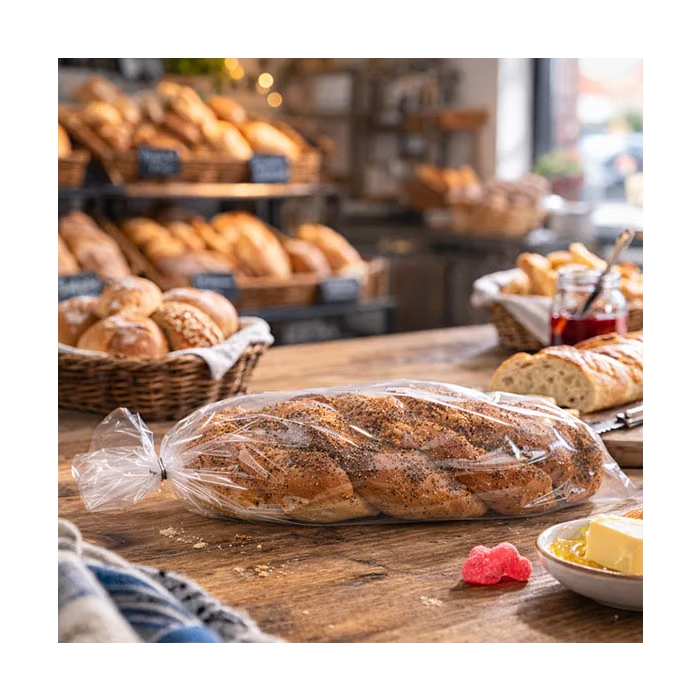
If your baked goods are a little bulkier (or you’re packaging multiple items), side gusset bags give you extra room to work with. The expandable sides make it easier to fit things like rolls, croissants, or larger loaves without squishing them. The material is softer and flexible, which works well for more delicate baked goods. They’re a great choice when you need something forgiving and easy to use.
Best Packaging for Bagels
Bagels may be smaller than a loaf of bread, but choosing the right bagel bags still matters. The best option depends on how many bagels you’re packaging together, how you plan to sell them, and whether you prefer paper or plastic.
Individual Bagels
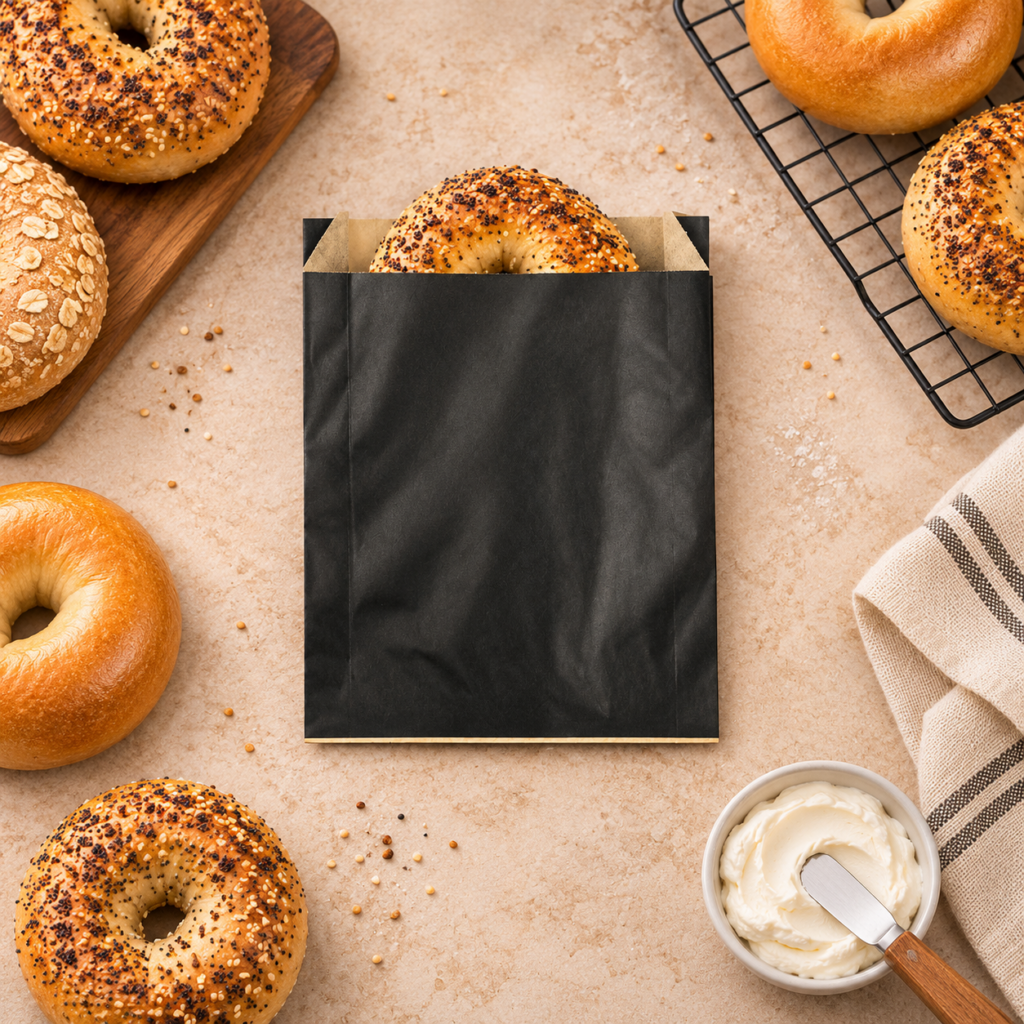
For individual bagels, look for a small paper bag that fits the bagel without leaving excessive extra space. Pinch-bottom or grease-resistant bags are convenient for individual sales and provide an easy way to hand a customer a single bagel to-go.
Paper bags are particularly well suited for same-day sales because they allow some airflow around the bagel. This can help preserve the texture of the crust rather than trapping moisture inside.
A windowed bag can also be a nice touch, allowing customers to see the bagel before they buy it.
Half-Dozen Bagels
Selling six bagels together? You’ll want packaging that gives them enough room to sit comfortably without getting compressed.
Bakery bags and tin-tie bags are convenient options for half-dozen orders. A bag with a little extra capacity makes filling easier and helps prevent the bagels from being squeezed together.
Dozen Bagels
For larger orders, consider a larger gusseted bag designed to accommodate multiple bakery items. The expandable sides provide extra room for a stack of bagels while giving you flexibility for different sizes and quantities.
For larger quantities, think beyond simply asking, “Will they fit?” Consider how easily the bag or box can be filled, carried, stacked, and handed to the customer.
Choosing the Right Material for Bagel Bags
When choosing bagel bags, the quantity isn’t the only consideration. The material can also affect how your bagels hold up after packaging.
Paper Bags
Kraft and glassine-style paper packaging can be a great choice for same-day bagel sales at farmers markets, bakeries, and pop-ups.
Paper allows more airflow than a tightly sealed plastic bag, which can help maintain the texture of the crust. It also creates a simple, bakery-inspired presentation that works especially well for fresh, same-day products.
Plastic Bags & Tin-Tie Bags
Plastic and tin-tie bags can be a better fit when customers need to take their bagels home and store them for a couple of days.
These bags provide more of a barrier against air exposure, which can help keep bagels from drying out as quickly. The tradeoff is that trapping more moisture can soften a crisp crust over time.
For businesses selling bagels beyond the same-day purchase, consider how customers are likely to store the product when choosing your packaging.
Think Outside the Bag (Literally)
Who says bread and bagels have to go in a bag?
If you’re looking for a packaging idea that feels a little more unexpected, think out of the bag. Boxes, handled containers, and other creative packaging formats can give bagels and quick breads like banana bread a little more breathing room while putting the product on display.
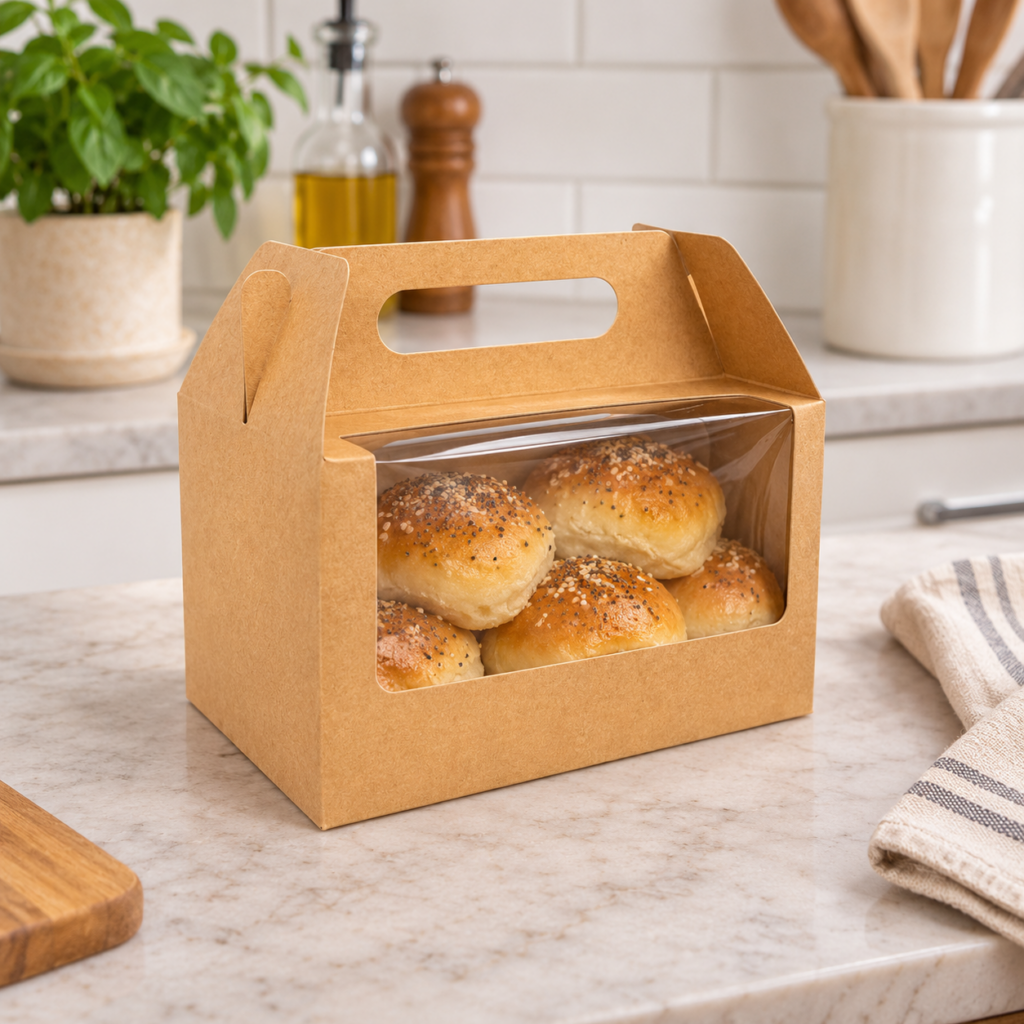
A windowed box, for example, can turn a simple loaf or bagel assortment into something that feels ready for gifting. Handle packaging can make larger orders easier to carry, while structured packaging can help protect delicate baked goods from getting squished along the way.
The best part? Thinking beyond traditional bread bags can also give your packaging more personality. A clear window can show off a beautifully browned crust, toppings, or colorful ingredients, while a kraft finish can create that classic artisan-bakery feel.
So, when you’re choosing packaging, don’t be afraid to think outside the bag. Sometimes the most memorable packaging is the kind customers don’t expect.
Eco-Friendly Bread Packaging Options
If you’re looking to make more sustainable choices, there are great eco-friendly packaging options that don’t sacrifice performance. Modern biodegradable materials like PLA (polylactic acid) are derived from renewable resources and can be used to create clear packaging with the flexibility, clarity, and sealability needed for many bakery applications. These materials can also be engineered for breathability, which is especially helpful for maintaining the right balance of airflow and moisture for different types of bread.
For home bakers and small businesses, eco-friendly packaging can be an opportunity to make your packaging choices more closely reflect your overall brand values. Some eco-friendly bags even use multilayer or hybrid structures, like cellulose–polyester blends, to help extend shelf life by improving moisture control and reducing the risk of mold.
When evaluating an eco-friendly option, look beyond the material itself. Consider the product’s certifications, intended disposal method, food-contact suitability, and how well the packaging performs for the specific baked good you’re selling.
The Finishing Touch: Packaging for Easy Carrying
Once your bread or baked goods are wrapped and ready, there’s one final detail that can make all the difference: the bag. Merchandise bags are a simple way to elevate your presentation while making it easier to carry everything from the kitchen to the car, or from your table to a customer’s hands.
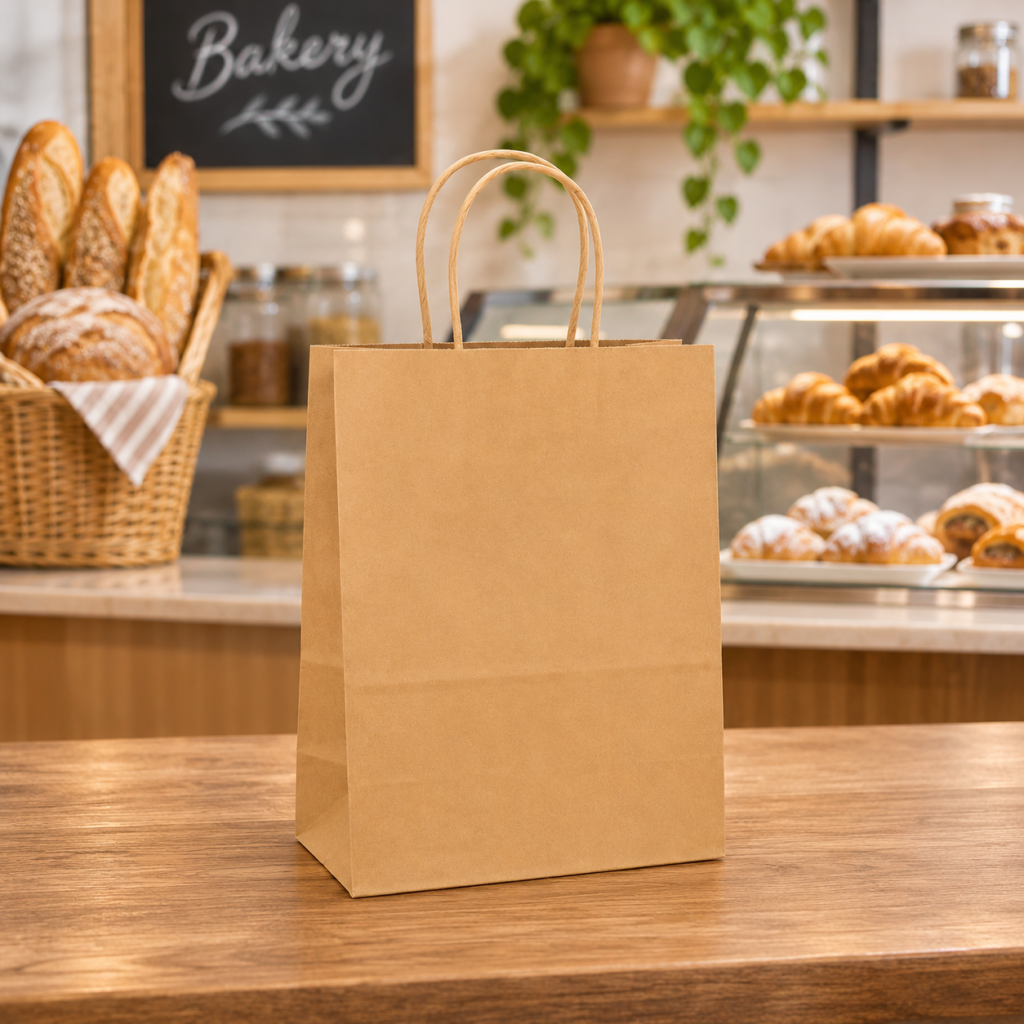
For home bakers, a bag keeps multiple items together and adds a thoughtful, gift-ready touch. Tuck in a handwritten note, a recipe card, or a tag with storage tips to make your baked goods feel even more special. If you’re sharing with friends, neighbors, or teachers, a neatly packed bag instantly feels more polished and intentional.
If you’re selling at a farmers market or pop-up, merchandise bags do even more heavy lifting. They make it easier for customers to shop multiple items, protect delicate packaging during transport, and offer an opportunity to reinforce your brand. Kraft paper bags create a warm, rustic feel that can easily be branded with a stamp, while clear or custom-printed options can showcase your products and logo.
No matter your setup, think of the merchandise bag as the finishing touch. They bring everything together, add convenience, and leave a lasting impression long after the last crumb is gone.
Simple Tips for Better Bread Packaging
No matter which option you choose, a few small details can make a big difference:
- Let bread cool completely before packaging. Packaging warm bread can create condensation, which may affect texture.
- Choose the right size. Your bag should provide enough room for the bread or baked goods without leaving excessive space.
- Think about airflow. Crusty breads generally benefit from ventilation, while softer breads may benefit from greater moisture retention.
- Consider how long the product needs to stay fresh. Same-day farmers market sales may call for different packaging than products customers will store for several days.
- Don’t forget presentation. A simple sticker, label, window, or branded closure can make packaging feel more intentional.
- Package for the quantity. Whether you’re selling one bagel or a dozen, choose packaging that makes filling, transporting, and carrying easy.
Packaging doesn’t have to be complicated to feel thoughtful. The best bread packaging supports both freshness and presentation. Because whether you’re baking for friends, family, or customers, great packaging helps make that first impression just as memorable as the first bite.
