
Upcycling: What it Is, Benefits, and The New Trend in Packaging
Last Updated on April 20, 2026 by Kira Andrus
In a world where convenience rules, Americans spend hundreds of dollars a month eating out or ordering takeout, and Europeans aren’t far behind. But all that on-the-go dining comes with a hidden cost: millions of tons of plastic packaging ending up in landfills every year. Consumers are demanding change—they want eco-friendly packaging and meaningful action to protect the planet. Traditional recycling can only do so much, which is why forward-thinking businesses are embracing upcycling to reduce waste, extend product lifecycles, and create lasting environmental impact.
What Is Upcycling and What Are the Benefits of Upcycling?
Packaging waste like plastic bags, plastic containers, and cardboard boxes is everywhere, and upcycling is one of the most practical ways to to reduce waste. Upcycling is the process of taking old, discarded, or unused items and creating them into something new. Recycling is limited – so upcycling is needed.
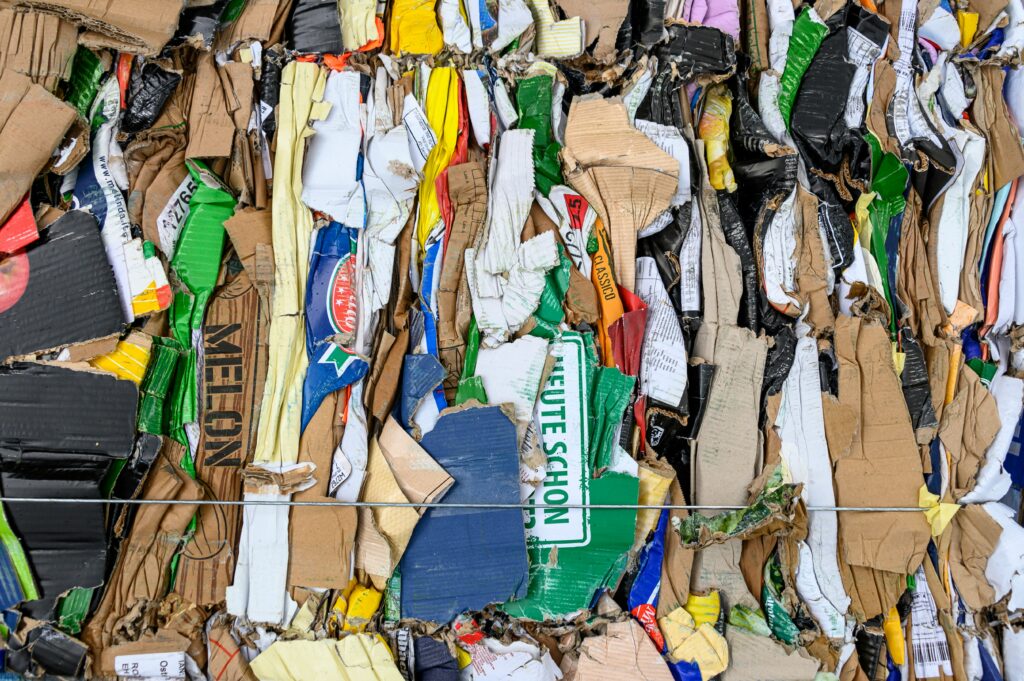
Scientists estimate that only around 9 percent of all the plastic waste generated globally is recycled. Most of our plastic waste – around 70 percent – ends up in landfills or in nature. While materials like cardboard boxes are easily recycled, many people don’t recycle because their communities or workplaces don’t provide easy access to recycling bins, collection services, or clear guidance on what can be recycled. Globally, consumers see using products with reusable packaging as the simplest and most practical way to reduce waste, since it doesn’t rely on complex recycling systems or infrastructure. This is where upcycling plays into consumer demand. Unlike recycling, which generally breaks materials down into raw form to make something new, upcycling gives an item a second life by repurposing it in a way that enhances function or appearance.
Beyond being eco-friendly, a significant benefit of upcycling is that it offers businesses a way to reduce waste and add value at the same time. By repurposing materials into higher-quality or more functional products, companies can conserve resources, cut energy use, and lower their carbon footprint. Beyond the environmental impact, upcycling also supports the circular economy, strengthens brand reputation, and appeals to eco-conscious customers who are increasingly factoring sustainability into their buying decisions.
How Upcycling is Being Utilized in Multiple Industries?
Upcycling is being used in multiple industries–from clothing and furniture to the automotive and packaging industries. Fashion brands are turning textile waste and plastics into new products, furniture makers are repurposing reclaimed materials into unique designs, and automakers are using recycled components to cut carbon footprints and promote sustainable mobility. The packaging industry is turning waste into recyclable, biodegradable, and high-performance materials—like bioplastics from food by-products or protein-based coatings—supporting a circular economy.
Several initiatives are advancing upcycling and sustainable packaging around the world. For instance, the European Bioplastics Organization promotes bioplastic industry interests and recyclability. They aim to upcycle up to 60% of food and drink packaging plastic waste by 2030 and develop a roadmap to ensure that 60% of this packaging comes from renewable sources. They also support projects like BioSupPack, UPLIFT, upPE-T, and PRESERVE that transform waste and renewable materials into biodegradable, recyclable, and high-performance packaging, while reducing emissions and supporting circular economy goals.
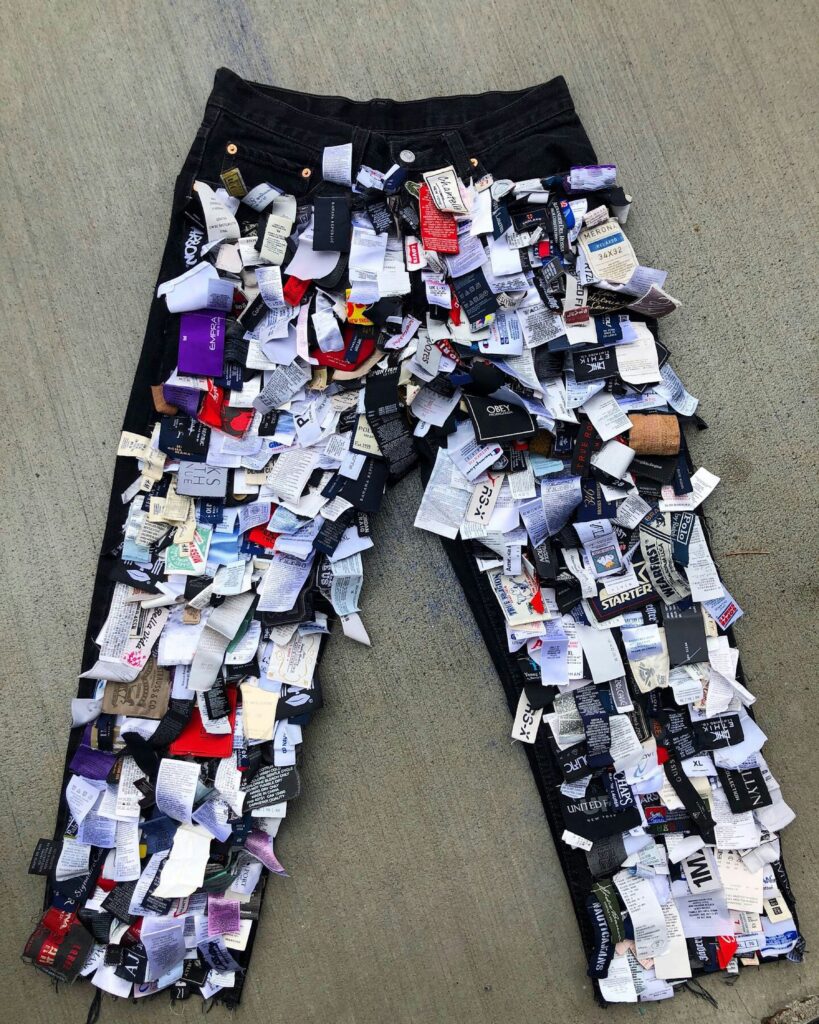
Closer to home, companies like Samsung promote upcycling their cardboard shipping boxes into desk shelves, bookshelves, cat tunnels, pet stairs, magazine racks, TV consoles, storage boxes, and more. You simply select the product box you have, and Samsung provides step-by-step instructions on how to create your upcycled item. The website even provides estimated time limits for creation. Companies like Patagonia, H&M, Adidas, and MUD Jeans repurpose clothing and material that would go to waste. Interface (a flooring company) promotes sustainability and a circular economy by using recycled materials in a closed-loop manufacturing process, turning old carpet tiles into new products to reduce waste. Other websites like UpcycleThat.com provide ideas and inspiration for buying, using, or making upcycled products.
What Are the Current Trends for Upcycling in Packaging?
The packaging industry is evolving rapidly, driven by both sustainability and functionality. Custom packaging solutions are helping brands reduce waste while enabling minimalist designs tailored to each product. At the same time, biodegradable and compostable materials are advancing to meet essential performance and barrier requirements without compromising on aesthetics. In the food packaging sector, these innovations are transforming how packaging contributes to waste reduction and sustainability goals. For example, the BOTTLE Consortium, a U.S. Department of Energy organization, aims to prevent plastics from ending up in landfills or the environment by improving recycling and upcycling methods. By using catalytic processes to break down existing plastics and create new, recyclable-by-design polymers, BOTTLE hopes to make recycling and upcycling more cost-effective and energy-efficient.
Another trend in sustainability and function is the use of Smart Packaging technologies. Smart packaging–using embedded sensors, QR codes, NFC tags, and digital watermarks–helps track product freshness, guide recycling, and improve plastic sorting. Initiatives like Procter & Gamble’s HolyGrail project, as well as innovators such as Water.io and Digimarc, are pioneering digital watermark systems that enable recycling facilities to identify and sort plastics more efficiently, significantly reducing landfill waste. Alongside these technologies, the industry is expanding the use of biodegradable, compostable, and recyclable materials such as PLA, water-based or organic inks, and adhesives, while adopting minimalist and reusable packaging designs to reduce resource use and waste.
A great example of reducing resource use and waste is found in packaging technology around toy and electronic packaging. Research published in the American Chemical Society (ACS), a nonprofit organization founded in 1876, discusses findings around a cushioning foam developed from cardboard waste. Currently, electronics and toys are often protected with Styrofoam, but researchers are exploring sustainable alternatives like lightweight cellulose aerogels. The current methods to produce cellulose aerogels from wastepaper require several chemical pretreatment steps, so researchers have been seeking a simpler way to make a wastepaper-based foam material that could withstand the impact of deliveries without all the chemical pretreatments. The result would be sustainable packaging that provides high-caliber protection. Another example is seen through Biotech startup Breaking, which has developed X-32, a natural microbe that breaks down multiple plastics into CO₂, water, and biomass within two years, producing no harmful byproducts. This process reduces plastic pollution while generating biomolecules for biofuels, biodegradable plastics, and chemicals. These developing technologies are sure to spur new trends in eco-friendly packaging that are not only comparable to current technologies but also superior in protection, strength, and sustainability.
Monomaterial and custom packaging are further transforming sustainable packaging trends. Global consumption of monomaterial plastic packaging films rose at an average annual rate of 3.5% between 2015 and 2019, and is projected to increase by 3.9% annually from 2020 to 2025. Monomaterial solutions, such as ClearBags’ RETAIN Recyclable Stand Up Pouches, use a single polymer with high-barrier coatings like EVOH, which are designed to maintain recyclability without contaminating the recycling stream. These pouches and other recyclable flat bags are ideal for food and retail products, offering eco-friendly alternatives to multi-layer plastics. Meanwhile, custom packaging reduces overproduction and unnecessary materials by producing packaging only as needed and without additional packaging waste. Instead of one-size-fits-all solutions, businesses are designing right-sized, minimal packaging that reduces material use, lowers shipping emissions, and cuts waste. Many companies are combining these efficiencies with recyclable, compostable or biodegradable designs, creating packaging that is both sustainable and brand-enhancing. As a result, custom packaging is no longer just about aesthetics—it’s a strategic tool driving innovation in the shift toward a circular economy.
From Rules to Results: Is Upcycling the Future of Packaging?
In short, upcycling is part of the rapidly changing frontier of packaging. Sustainability is no longer a trend; it’s an expectation. Consumer demand and sustainability of raw materials means additional regulations and changes in packaging materials and technologies. Europe’s Extended Producer Responsibility (EPR) rules are reshaping packaging design, costs, and supply chains. Despite the U.S. not having a federal approach, many states are adopting policies that have EPR-like regulations for packaging. Packaging-specific EPR legislation began with Maine in 2021, followed by Oregon, Colorado, California, Minnesota, Maryland, and Washington. Other states, including New York and Tennessee, are considering similar laws. California’s Plastic Pollution Prevention and Packaging Producer Responsibility Program (SB 54) moves the responsibility for plastic pollution from consumers to the plastics industry. New York is exploring EPR for packaging as part of its plastic waste reduction strategy with a 2026 bill.
While upcycling packaging faces challenges–securing a reliable supply of waste, managing end-of-life disposal, meeting strict safety standards, and developing technologies for plastics that current recycling systems can’t handle–growing consumer demand and evolving regulations are driving innovation and paving the way for more efficient, sustainable, and scalable upcycling solutions.
To learn more about ClearBags’ sustainability efforts, click here.
