
International Shipping: A Full Guide to Shipping Products Overseas
Last Updated on April 20, 2026 by Kira Andrus

Small businesses power the U.S. economy. With small businesses making up 99.9% of all U.S. companies, they’re the driving force of international trade—with 97% of exporters coming from small businesses. Because 95% of the world’s consumers live outside the U.S., shipping products overseas opens the door to bigger markets, higher revenue, and stronger, more resilient businesses.
Even though shipping products internationally opens the door to new markets, it comes with unique challenges that require careful planning. From understanding regulations and documentation to calculating duties and securing packages, a well-prepared strategy is essential to ensure your products arrive safely and compliantly. In this guide, we’ll walk you through the key steps every business should consider when shipping overseas.
Create an Export Plan
Before shipping products overseas, it’s essential to develop a clear international shipping plan. This involves identifying the markets you want to serve, understanding customer needs, and selecting the most efficient shipping methods—whether by air, sea, or courier. A well-planned strategy also takes into account delivery times, shipping costs, and scalability, helping your business meet customer expectations while controlling expenses and minimizing risks. To determine whether international shipping makes sense for your business, use available resources: check the geographic location of your followers and customers on social media and explore tools like Trade.gov to help develop a comprehensive export plan.
Research Rules and Regulations
Before shipping products internationally, it’s critical to research each country’s shipping rules and regulations to avoid delays, fines, or returned shipments. Customs requirements vary widely, including restrictions on certain products, labeling standards, and documentation such as commercial invoices and certificates of origin. Be sure to accurately declare your package’s contents and value to prevent penalties or delays. This means providing detailed item descriptions along with the necessary documentation, such as commercial invoices, packing lists, and any required certificates. Completing and submitting all forms correctly helps ensure a smoother customs clearance process.
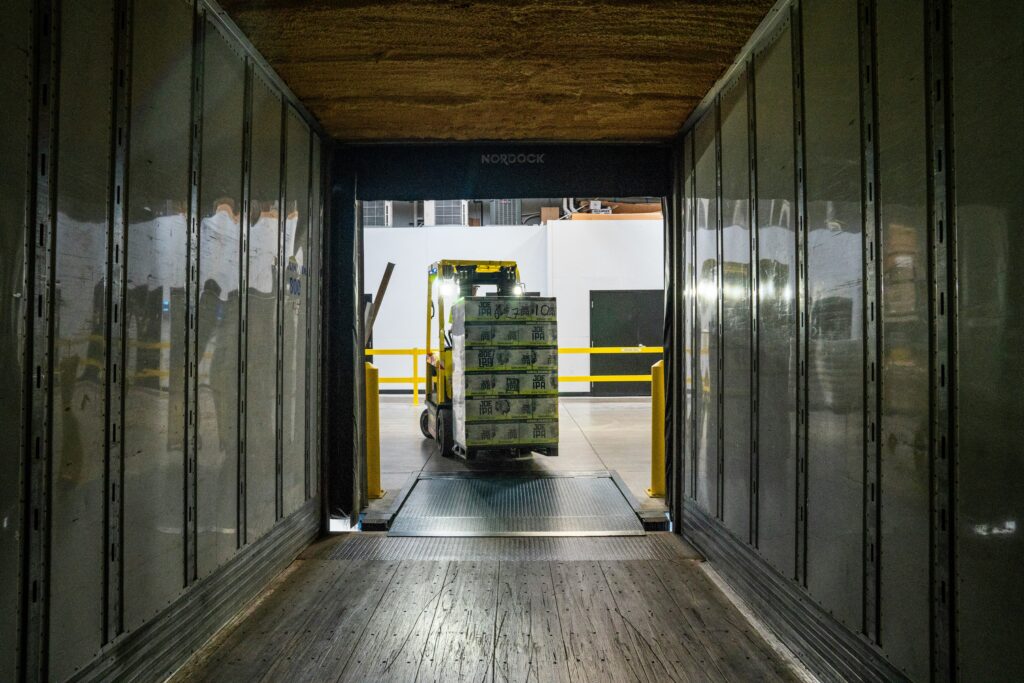
Understanding these rules ahead of time helps ensure a smooth delivery process for consumers, reducing surprises and improving customer satisfaction. When selecting a shipping provider, consider your priorities: FedEx, DHL, and UPS offer fast, reliable service with robust tracking and customs support but tend to be more expensive, while USPS is more affordable for small packages but can be slower and less predictable with customs. Choosing the right carrier depends on shipment size, destination, budget, and the level of support you need for customs compliance.
Identify Essential Documentation (and Tools to Help)
When shipping products internationally, having the right documentation is essential to ensure your customers receive their orders without delay. Core paperwork includes a commercial invoice, packing list, and any required certificates of origin or compliance depending on the destination country. Accurate and complete documentation helps customs officials process shipments quickly and prevents your customers from facing unexpected fees or delivery issues. The customs declaration should be placed on the outside of the package on a flat, visible surface, usually in a clear plastic pouch or envelope marked “Customs Forms,” separate from shipping labels, and securely attached to protect it from moisture or damage. Many major shipping companies have tools to assist with the documentation like USPS Click-N-Ship and DHL Express Mobile. However, there are also a variety of tools and apps that simplify this process and work with major carriers for small businesses. Platforms like Easyship, Shippo, MyUS, and UPakWeShip can automatically generate shipping labels, calculate duties and taxes, and ensure all required documents are correctly completed—saving time and reducing errors while providing a smoother delivery experience for consumers.
Calculate Customs Duties and Taxes
When shipping internationally, it’s important to account for customs duties and taxes to avoid surprises for your customers. Duties are calculated using your product’s HTS (Harmonized Tariff Schedule) code, which determines the applicable rate—either a percentage of the product value, a fixed amount per unit, or a combination. The customs value typically includes the product cost plus shipping and insurance, and the duty is applied to that total. Additional taxes, like VAT (Value Added Tax) or GST (Goods and Services Tax), may also apply depending on the country. To simplify the process and ensure accuracy, many businesses use online tools or consult a customs broker for complex shipments.
Secure Your Packages
Protecting packages during transit is essential, as shipments face multiple hazards including shock, vibration, compression, extreme climates, and altitude changes. Shock can occur from drops, impacts with other packages, or shifting during sorting and transit, often impacting edges, corners, or the bottom of the package. Because automated sorting systems can’t honor orientation labels, packages may travel in any direction, so they should be designed to withstand impacts from all angles. Using the right size packaging not only protects the product by minimizing movement inside the box but also reduces material waste and lowers shipping costs.
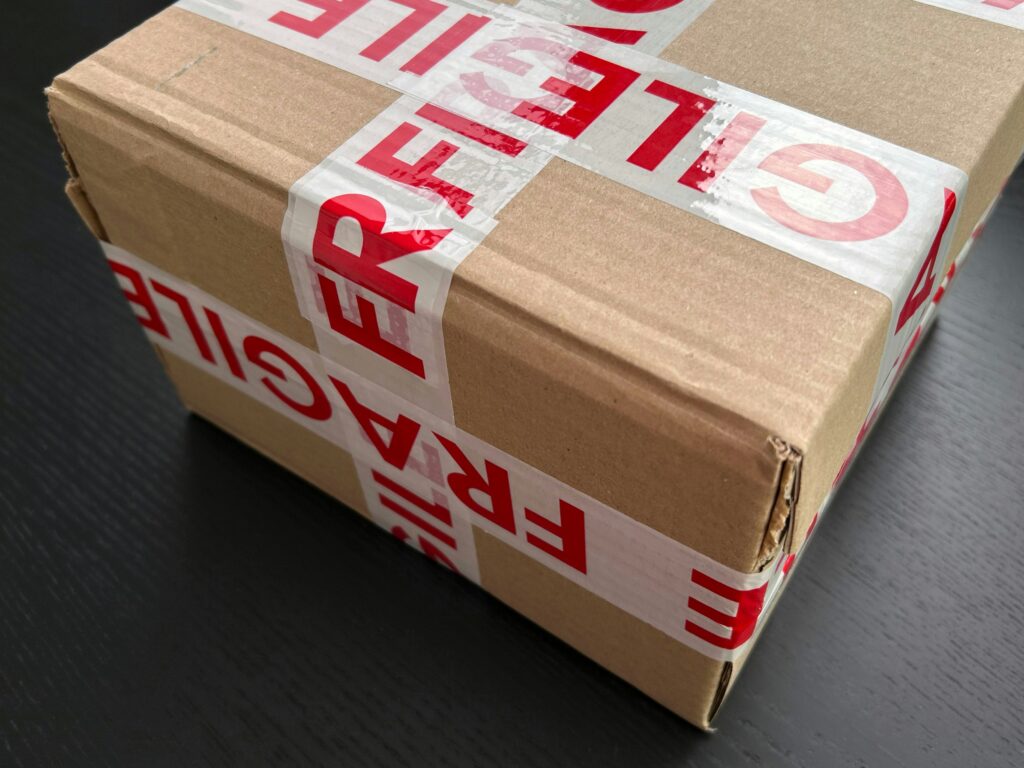
Water damage is another common risk, especially in regions with heavy rain or high humidity, and can ruin contents or reduce product quality. To safeguard shipments, use waterproof materials such as plastic wrap, moisture-resistant boxes, and sealed bags, tape all seams securely, and consider adding silica gel packets to absorb residual moisture. Taking these precautions helps ensure packages arrive intact, dry, and ready for your customers.
Confidently Ship Your Products Worldwide
Shipping products internationally doesn’t have to be daunting. By planning your strategy, understanding regulations and duties, and using smart, protective packaging, you can ensure your products arrive safely, on time, and in great condition. Thoughtful shipping not only reduces costs and environmental impact but also helps your business confidently reach new global markets and satisfy customers worldwide.
Did you know …
Did you know ClearBags serves customers beyond the U.S.? We partner with trusted distributors in Canada and Europe to make getting the packaging you need fast and easy. If you’re in Canada, visit ClearBags Canada for local support. In Europe, Packlinq is your go-to source for quality packaging solutions.
