
The Evolution of Greeting Card Packaging: How It Has Evolved and Where It’s Headed Next
Greeting cards have been helping people connect for centuries – from Valentine’s Day notes to holiday greetings and everything in between. As cards have evolved in shape, size, and materials, the packaging that protects and presents them has evolved too. For today’s makers and retailers, that packaging does more than prevent bends and smudges. Greeting card packaging plays a quiet but important role in how a card is discovered, displayed, and remembered.
What began as a simple protective sleeve has grown into an essential part of the retail experience, reflecting shifts in consumer behavior, sustainability priorities, and storytelling. For more than 30 years, ClearBags has watched greeting card packaging adapt to meet the needs of creators and has helped them protect their work, showcase it beautifully, and connect more meaningfully with customers. Here’s a look at how greeting card packaging has evolved and where it’s headed next.
1. Flap & Seal Bags: Where It All Began
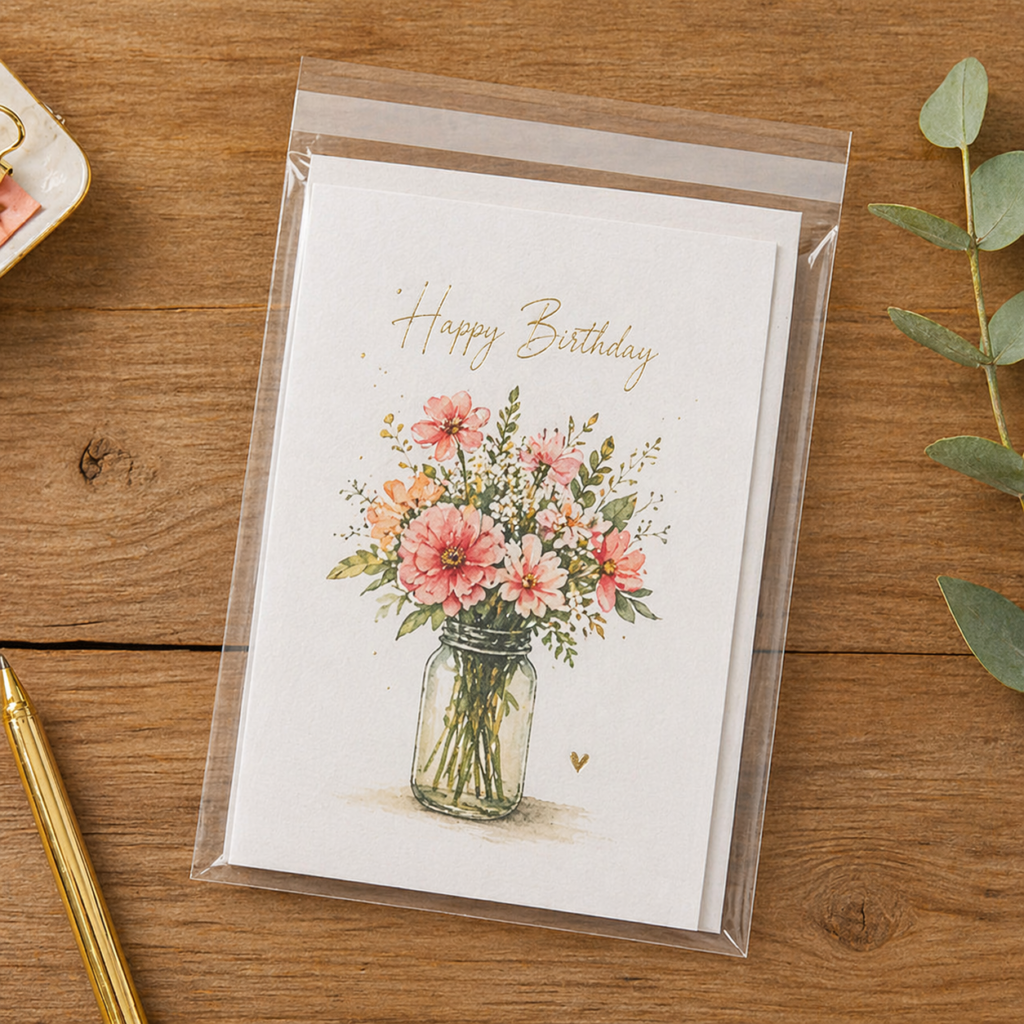
The earliest greeting card packaging solution was straightforward and functional: the flap-and-seal bag. Cards were slid inside, the adhesive flap was sealed, and the product was ready for display.
For years, this format set the standard offering basic protection from fingerprints, dust, and spills while keeping cards clearly visible on retail shelves.
2. No-Flap Bags: Easy Access, Cleaner Handling
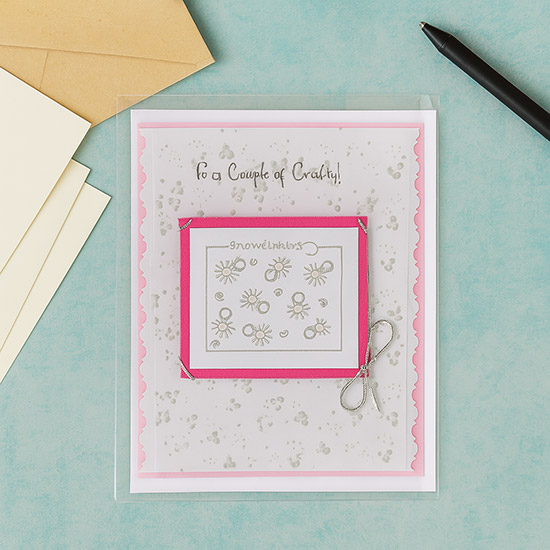
As cards became more interactive, encouraging shoppers to open and read them, creators needed packaging that allowed cards to be removed and reinserted easily.
No-flap bags answered that need. Without adhesive closures, they allowed customers to browse freely while still protecting the card, making them especially popular for open-display environments and frequent handling.
3. Protective Closure Bags: Designed With Artists in Mind
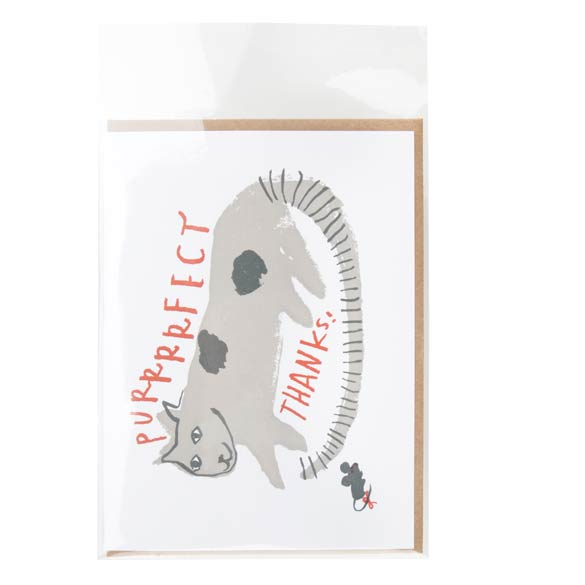
As more artists began packaging prints, photography, and delicate artwork alongside greeting cards, feedback revealed a common concern: adhesive flaps could damage the contents.
Protective closure bags solved this by placing the adhesive strip on the bag itself rather than the flap. This design allowed cards and artwork to slide in and out safely without ever touching adhesive, making them a favorite for premium stationery and art-focused brands.
4. Card Jackets & Slip Covers: Protection Without Obstruction
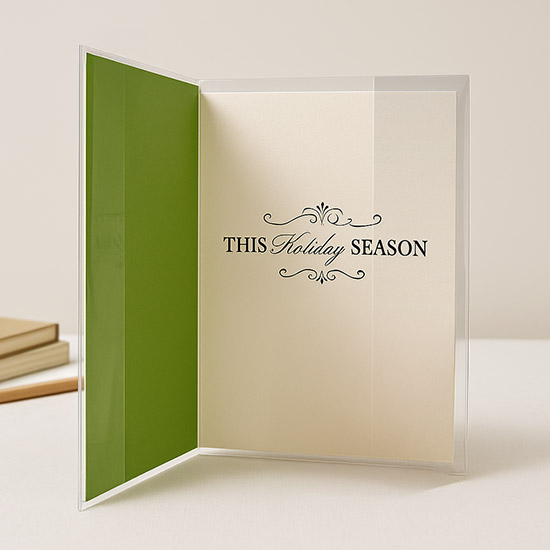
Retailers soon noticed another challenge: customers pulling cards out to read the message, leaving corners bent and surfaces smudged.
Card jackets and slip covers offered a smart solution. By securing the card (and sometimes the envelope) while still allowing it to be opened and read, these formats preserved both presentation and usability, which kept cards clean, crisp, and display-ready.
5. Vinyl Wallets (Card Folders): Show More, Sell More
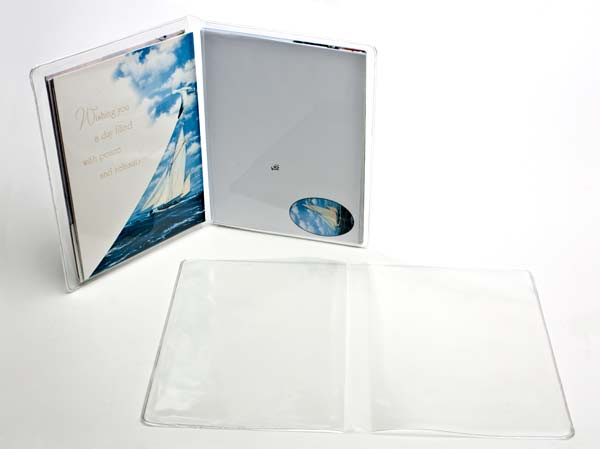
As card sets and multipacks grew in popularity, vendors needed packaging that could showcase multiple designs at once. Vinyl card folders emerged as a response.
Designed like a wallet, these folders hold multiple cards and envelopes (often six at a time) while allowing shoppers to view inside and outside designs in a single package. The result: fewer questions, better visibility, and stronger shelf appeal.
6. Header Card Bags: Packaging That Tells a Story
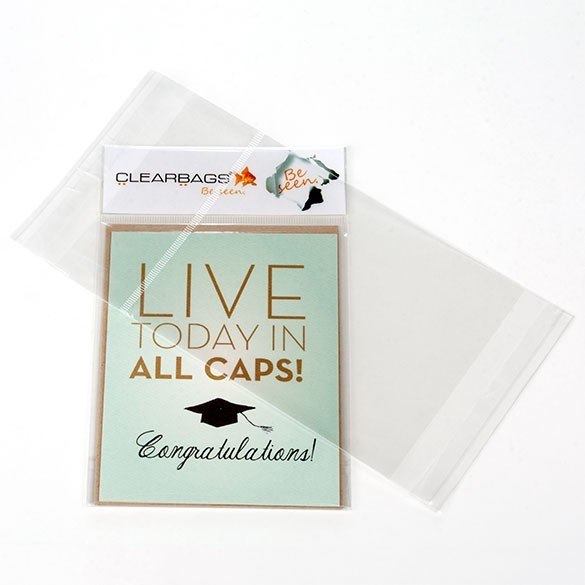
As greeting cards moved from shelves to peg displays, packaging evolved again. Hanging bags and insertable header card bags allowed brands to add logos, messaging, and storytelling without blocking the view of the card itself.
This shift gave creators space to communicate their values, materials, and inspiration by turning packaging into a brand-building tool rather than just a protective layer.
The Shift to Card Packaging Boxes
In recent years, greeting card packaging has expanded beyond bags altogether. As brands focused more on presentation, gifting, and sustainability, boxes entered the conversation in a bigger way.
We first noticed this shift around 2016 at the National Stationery Show in New York. While clear bags still dominated, more brands began experimenting with boxed formats for both single cards and curated sets, which signaled a move toward elevated, gift-ready packaging.
7. One-Piece Boxes: Streamlined and Gift-Ready
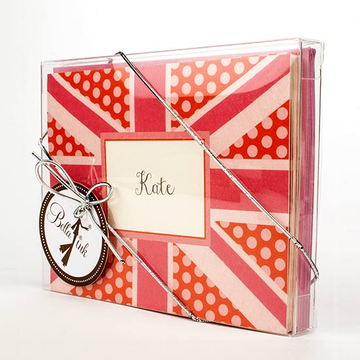
One-piece boxes offer a clean, all-in-one solution that feels intentional and polished. Often used for boxed card sets or premium single cards, they provide structure, durability, and a sense of occasion without the complexity of multiple components.
They’re especially appealing for brands that want their packaging to showcase the product with fewer packaging components and less hassle.
8. Two-Piece Boxes: Elevated Presentation
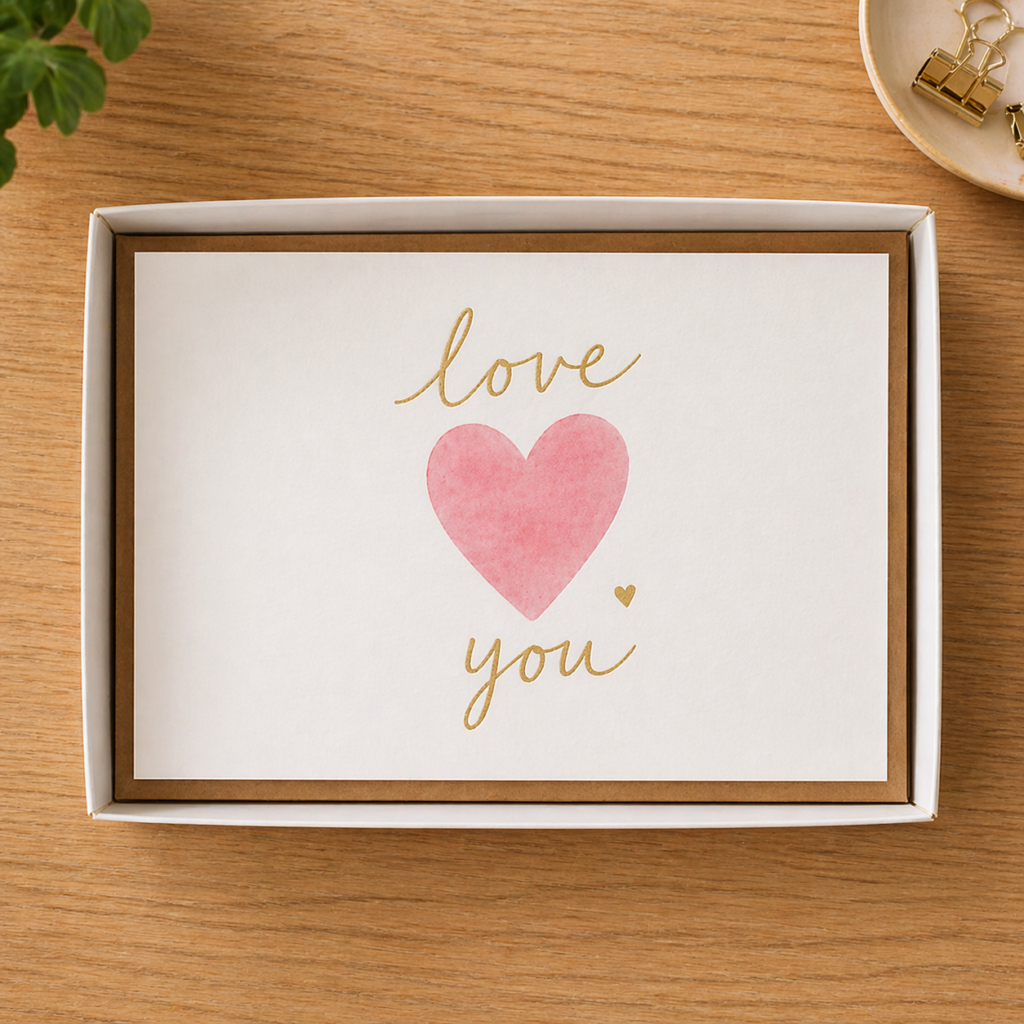
Two-piece boxes feature a separate base and lid, which brings a more luxurious feel to greeting card packaging. Tops and bottoms can be paired in different ways, allowing brands to mix and match options like clear slip covers or clear box tops with a variety of base colors. This style is ideal for special collections, seasonal releases, or higher-end stationery lines where unboxing is part of the experience.
While more substantial than bags, these boxes signal a level of care, craftsmanship, and value that makes them well-suited for gifting and display-focused retail environments.
9. Clear Boxes: Custom Look, Flexible Storage
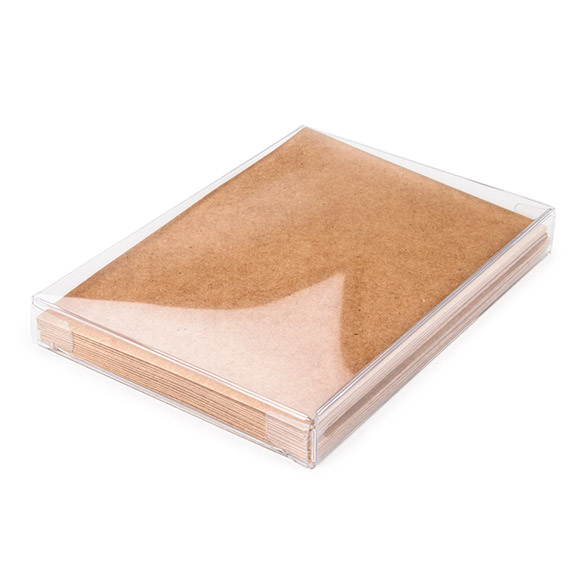
Clear boxes offer the best of both worlds: visibility and versatility. Many brands pair them with custom inserts or wraps to create a branded look, while still allowing customers to see the cards inside.
An added bonus is their sustainability potential. Clear boxes can be made from recycled materials, and features like embossed recycling codes help signal recyclability to end users, which is an important consideration as brands balance visibility with environmental responsibility.
10. Kraft & Paper Boxes: Sustainability-Forward, Thoughtfully Used
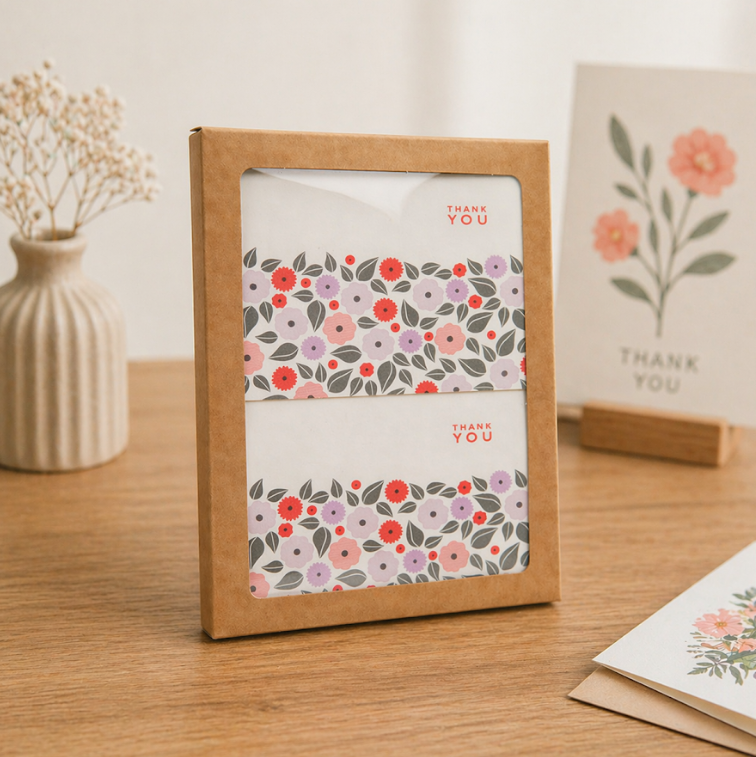
Some brands have explored fully paper-based box options, including kraft boxes without PET inserts. Others have designed eco-friendly branded options through custom orders. Kraft and paper boxes appeal to environmentally conscious consumers and align well with sustainability messaging.
That said, custom boxes can be more expensive than stock alternatives, so they’re often reserved for special projects, limited runs, or premium collections where material choice is part of the story.
Where Greeting Card Packaging Is Headed
Today’s greeting card market continues to grow steadily, with strong momentum in personalization and sustainability. Consumers, especially Millennials and Gen Z, are drawn to cards made with recycled or alternative materials and packaging that reflects their values.
Despite the rise of digital communication, physical greeting cards remain deeply meaningful. Texts and social media help maintain everyday connections, but cards still nurture relationships on a more personal, lasting level, which is something digital tools haven’t replicated.
As stationery trends continue to evolve, we expect to see:
- More eco-friendly and recyclable packaging options
- Increased personalization and small-batch presentation
- Packaging designs that balance modern aesthetics with timeless appeal
Greeting card packaging has changed dramatically over the past 30 years, and it will keep evolving as creators imagine new ways to protect, present, and share their work.
How has your greeting card packaging evolved? We would love to see what inspires you and imagine together where the stationery industry is headed next.
