
How to Prevent Freezer Burn and Protect Product Quality
What Is the Best Freezer Packaging for Food Businesses? How to Prevent Freezer Burn and Protect Product Quality
Freezing is one of the most effective ways to preserve food, but for bakeries, meal prep companies, specialty food brands, and grocery retailers, success depends on more than just temperature. The right freezer packaging plays a critical role in maintaining product quality, extending shelf life, and protecting your brand.
Whether you’re storing baked goods, proteins, or prepared meals, understanding how freezing works (and how to package for it) can help reduce waste, improve consistency, and increase customer satisfaction.
Why Freezer Burn Happens (and Why It Matters)
Freezer burn occurs when moisture escapes from food during storage, leading to dehydration on the surface. This results in:
- Dry, tough texture
- Discoloration (gray or brown spots)
- Off flavors
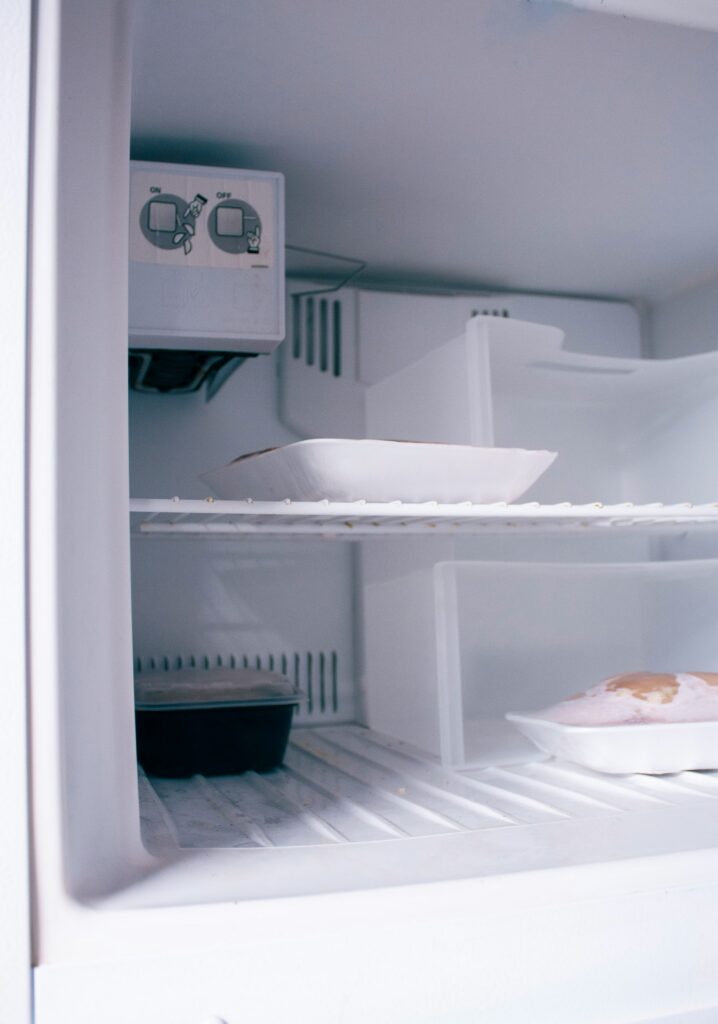
While freezer burn is not a food safety issue, it is a quality issue and quality directly impacts your bottom line. For food businesses, poor freezer packaging can lead to an increase in product loss and shrinkage, lower perceived value, and negative customer experiences.
How Freezer Packaging Protects Food Quality
Effective freezer bags for food storage and high-barrier packaging are designed to:
- Prevent moisture loss
- Reduce air exposure
- Protect against odor transfer
Most standard freezer bags are made from LDPE (low-density polyethylene), a flexible, food-safe material that performs well at low temperatures. For more demanding applications like meat, seafood, or long-term storage, high-barrier laminated bags provide additional protection against oxygen and moisture.
How to Prevent Freezer Burn: Best Practices for Food Businesses
1. Remove Excess Air (But Allow for Expansion)
Air is the main cause of freezer burn. Use properly sized freezer storage bags and press out as much air as possible before sealing.
At the same time, allow slight headspace for foods that expand during freezing to prevent packaging stress or breakage.
2. Freeze Food Quickly for Better Quality
Fast freezing helps retain moisture, texture, and flavor.
- Cool products before packaging
- Avoid overloading freezers
- Use flash-freezing for items like berries, cookies, or portioned proteins
3. Choose the Right Freezer Bag Thickness (Mil)
Not all freezer bags are created equal. Thickness impacts durability and protection:
- 2–3 mil freezer bags: Ideal for baked goods and produce
- 3–4 mil bags: Suitable for heavier items and longer storage
- 4–6 mil heavy-duty freezer bags: Best for meat, seafood, and bulk storage

Thicker bags provide better puncture resistance, stronger seals, and improved moisture barriers, which is especially important for commercial use.
4. Use the Right Packaging Format for Your Product
Different foods require different packaging solutions:
- Bakeries: Standard freezer bags or stand-up pouches for cookies and pastries
- Meat & seafood businesses: Heavy-duty or high-barrier bags
- Meal prep & prepared foods: Portioned containers or heat seal bags for consistency
For added protection, wrap meats or delicate items before placing them into a freezer bag.
5. Portion and Pack Strategically
Portioning improves efficiency and reduces waste:
- Pack single servings or meal-sized portions
- Use shallow containers for faster freezing
- Freeze sauces, soups, and batters in usable quantities
This is especially useful for meal prep companies and high-volume kitchens.
6. Label, Date, and Rotate Inventory
Even with the best freezer packaging, food quality declines over time.
- Label each package with product name and date
- Include portion size for operational efficiency
- Use a FIFO (first-in, first-out) system
Most frozen foods maintain best quality within 2–4 months, though they remain safe if stored at 0°F or below.
Food Safety and Freezing: What Businesses Need to Know
Freezing does not kill bacteria; it stops growth. That means proper handling before freezing is essential.
- Freeze and store foods at 0°F (-18°C) or lower
- Thaw safely in refrigeration or microwave (not at room temperature)
- Monitor freezer temperatures regularly
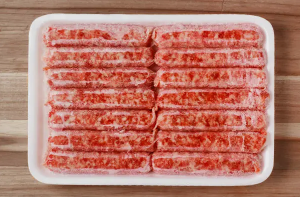
When handled correctly, frozen food remains safe indefinitely, though quality will gradually decline.
The Right Freezer Packaging Supports Quality and Profitability
Choosing the right commercial freezer packaging means protecting your product, reducing waste, and delivering a consistent customer experience. By combining proper handling techniques with high-quality freezer bags for food businesses, you can:
- Prevent freezer burn
- Extend shelf life
- Maintain product integrity
- Improve operational efficiency
If you’re sourcing freezer bags, heavy-duty poly bags, or high-barrier pouches for your business, selecting the right material and thickness can make a measurable difference in both product performance and profitability.
