
7 Mistakes to Avoid When Packing Fragile Items for Shipping (and How to Fix Them)
Last Updated on May 13, 2026 by Kira Andrus
Shipping fragile items for your business can feel risky, but most damage happens because of a few common, preventable mistakes. Whether you’re shipping glassware, candles, baked goods, or handmade products, learning how to pack fragile items for shipping correctly can save you time, money, and unhappy customers. Here are seven mistakes to avoid—and exactly how to fix them.
1. Using the Wrong Box Size
The mistake: Packing fragile items in boxes that are too big, too small, or poorly filled. Oversized boxes allow items to shift during transit, while undersized boxes don’t leave enough room for protective cushioning. Empty space inside the box makes matters worse, increasing the risk of impact damage.

The fix: Choose a box that allows for at least 2–3 inches of cushioning on all sides of the item, and fill all voids with proper packing material. A simple test: if you shake the box and feel movement, add more filler.
2. Skipping Inner Protection
The mistake: Placing fragile items directly into a box without individual wrapping.
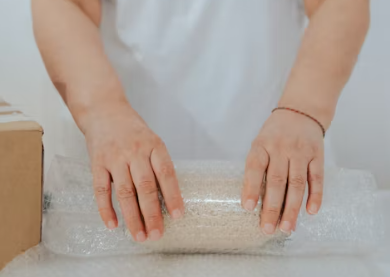
How to fix it: Wrap each item separately using protective boxes, bags, tissue paper, bubble wrap, or foam sleeves. This prevents items from rubbing against each other and reduces impact damage.
3. Relying on One Type of Padding
The mistake: Using only one protective material, like packing peanuts or crumpled paper.

How to fix it: When shipping fragile items, you need to layer your protection. Start with a wrapped item, add cushioning material around it, and fill all empty spaces to eliminate movement inside the box.
4. Forgetting to Reinforce the Box
The mistake: Using weak or previously used boxes that can collapse under pressure during shippin
The fix: Always use sturdy, double-walled corrugated boxes for fragile shipments. Reinforce seams and edges with strong packing tape—especially the bottom of the box.
5. Skipping Double Boxing for Extremely Fragile Items
The mistake: Shipping very delicate or high-value items in a single box when they really need extra protection.
The fix: Use the double-boxing method: place the item in a smaller, well-cushioned inner box, then place that box inside a larger outer box with additional padding. This creates a critical extra layer of shock absorption and can add to the unboxing experience if done right.
6. Improperly Sealing the Package
The mistake: Using low-quality tape or not sealing all openings securely. Boxes can pop open mid-shipment, exposing fragile contents to damage.
The fix: Use heavy-duty packing tape and seal the box using the H-taping method (across seams and edges). Don’t rely on duct tape or masking tape—they don’t hold up in transit.
7. Assuming “Fragile” Labels Are Enough
The mistake: Believing that labeling a box “Fragile” will guarantee gentle handling. In reality, packages are often moved quickly and stacked tightly.
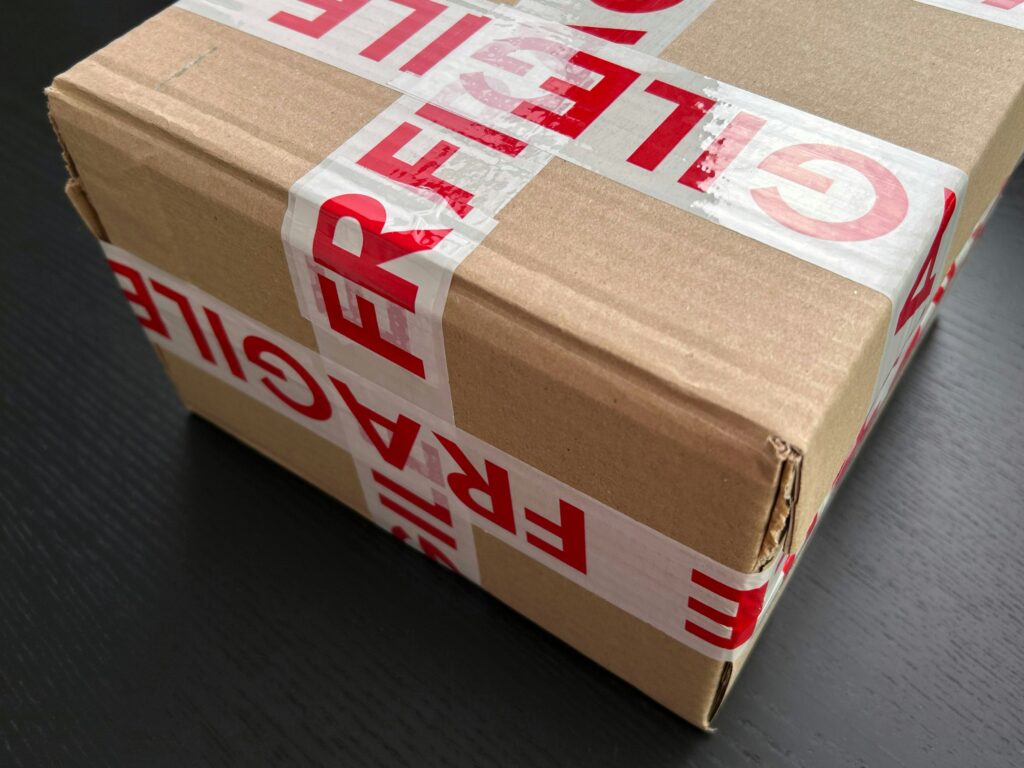
The fix: A fragile shipping label helps—but protective packing matters more. Pack as if the box will be dropped, tilted, and stacked (because it probably will be).
Final Thoughts
Packing fragile items for shipping doesn’t have to be stressful—or expensive. By avoiding these common mistakes and following proven packing best practices, you can dramatically reduce damage, returns, and unhappy customers.
A little extra care during packing and shipping fragile items goes a long way toward protecting your products—and your brand reputation.
