
What Does “Food-Safe Plastic” Really Mean? FDA vs BPA-Free vs Compostable
Last Updated on July 17, 2026 by Kira Andrus
Many culinary brands are making the shift to more sustainable packaging for their consumers, to meet regulations, and out of their own desire to be good citizens. However, determining which type of packaging is appropriate and safe can be difficult. When selecting packaging for food products, labels like “food-safe,” “BPA-free,” and “FDA-approved” are often used interchangeably, but they don’t always mean the same thing. Understanding what these terms actually signify can help businesses choose the right packaging materials to protect product quality, ensure regulatory compliance, and meet customer expectations around safety and sustainability.
What Is Food-Safe Plastic?
Food-safe plastic refers to materials that are suitable for direct contact with food without transferring harmful substances, odors, or contaminants into the product. These materials are used throughout the food industry, including in packaging and its components, food processing equipment, preparation surfaces, and cookware. Food manufacturers and businesses are responsible for ensuring the safety of the products they sell, which means the materials that come into contact with food must meet strict safety standards. In the United States, the U.S. Food and Drug Administration (FDA) evaluates both ingredients intentionally added to food and substances that may come into contact with food under the same fundamental safety principle: there must be a reasonable certainty of no harm under the intended conditions of use.
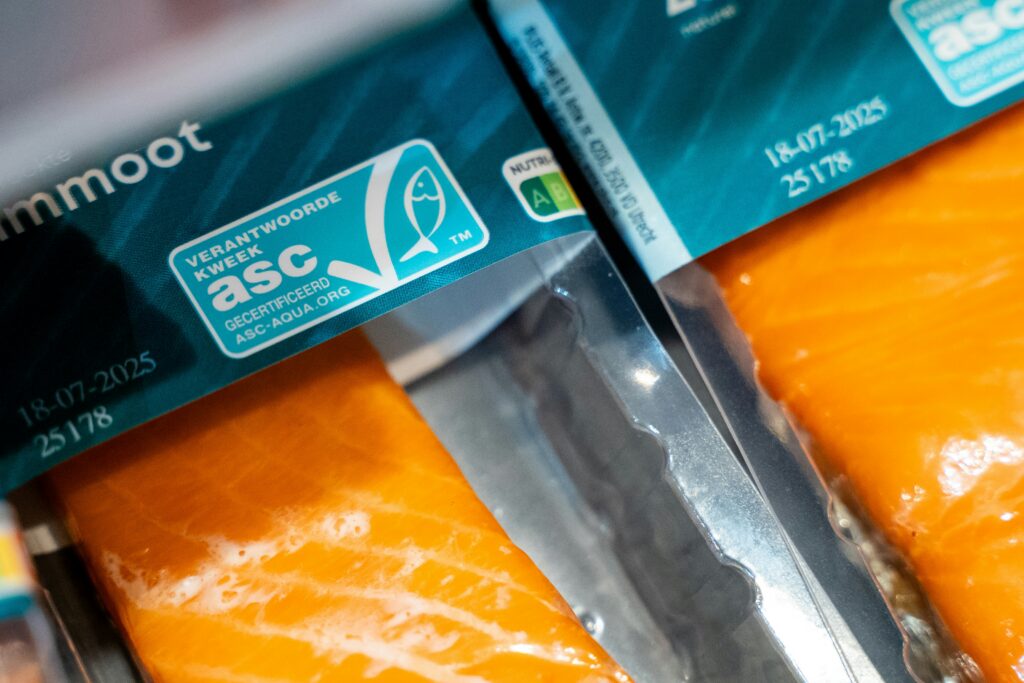
For everyday food businesses, this concept directly affects the packaging they rely on. Bakeries often use food-safe plastic bags and wraps to protect cookies, pastries, and breads while preventing contamination and preserving freshness. Coffee shops use food-safe pouches and liners for beans, baked goods, and grab-and-go snacks. Meal prep services depend on food-safe films, containers, and sealing materials to keep prepared foods protected during storage and transport. Likewise, ecommerce food brands shipping candies, spices, baked goods, or snacks need packaging that can safely maintain product quality while traveling through shipping and handling environments. In each of these cases, food-safe plastic packaging helps ensure that the packaging protects the food without affecting its safety, flavor, or quality.
What Does FDA-Approved Mean for Food Packaging?
When people hear the phrase “FDA approved,” they often assume it applies broadly to many consumer products, but in reality, few products receive formal premarket approval from the FDA. Instead, the agency often regulates products through industry standards, allowing manufacturers to bring products to market as long as they comply with applicable safety regulations. If safety concerns arise, the FDA has the authority to investigate and take enforcement action.
The FDA does not “approve” food packaging products such as plastic bags, pouches, or films. Rather, it regulates the substances used to manufacture materials that come into contact with food, known as Food Contact Substances (FCS). These substances, such as polymers, additives, coatings, and adhesives, must comply with FDA regulations that determine whether they are safe for food contact. A key part of these regulations involves migration limits, which measure how much of a substance can transfer, or “migrate,” from packaging into food under normal conditions of use. The FDA sets strict thresholds to ensure that any potential transfer remains at levels considered safe for human consumption. For common packaging materials like plastic films and bags, compliance means the resin, additives, and manufacturing processes meet FDA requirements for food contact materials. As a result, packaging is typically described as “food safe” or “FDA compliant” – meaning the materials meet established regulatory standards – rather than being “FDA approved.”
What Is BPA-Free Plastic?
Bisphenol A (BPA) is an industrial chemical that has been used since the 1950s to manufacture certain plastics and resins, most notably polycarbonate plastics and epoxy resin linings used inside some food and beverage cans. BPA can migrate, or leach, into food and beverages from these materials, particularly when containers are exposed to heat.
There are concerns about BPA exposure because it can act as an endocrine disruptor, meaning it may interfere with the body’s hormone systems. Studies have linked BPA exposure to potential effects on brain development, behavior, and the prostate gland, particularly in infants and children. One important factor influencing BPA migration is temperature as higher heat levels, such as microwaving food in certain plastics or pouring hot liquids into containers, can increase the likelihood that BPA will leach into food or beverages.
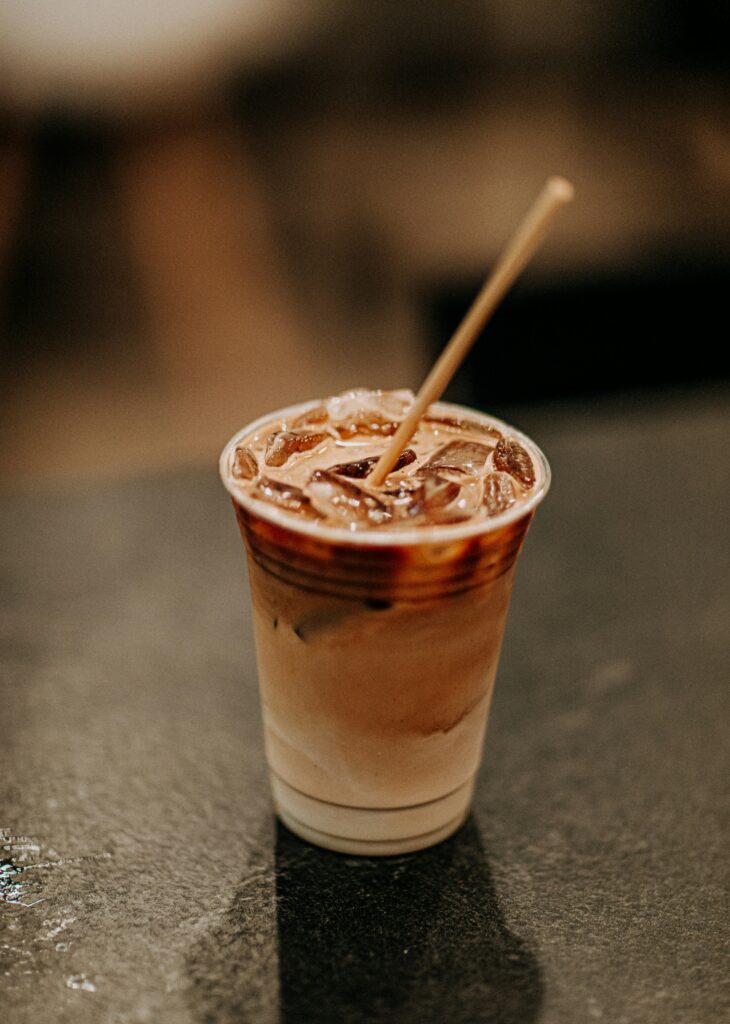
Because of these concerns, many food packaging manufacturers now emphasize BPA-free materials, especially for products that may come into contact with hot food or beverages. However, it’s important to understand that BPA-free labeling does not automatically mean a material is recyclable, compostable, or environmentally friendly. It simply indicates that the product was not manufactured using BPA. In fact, many modern food-safe plastics used in packaging films, bags, and pouches are already produced without BPA, particularly those made from materials such as polyethylene or polypropylene. BPA-free labeling tends to be most relevant for products that may experience heat exposure, such as reusable containers, drinkware, or packaging used with hot foods and liquids.
Compostable vs Recyclable Food Packaging
Food brands today have several packaging options to consider, including compostable materials, recyclable plastics, and traditional food-safe plastic films. Each option has different benefits and trade-offs depending on how the product is stored, shipped, and disposed of after use.
Compostable Plastic Materials
Compostable packaging is designed to break down into natural components under controlled composting conditions. These materials can offer environmental benefits such as lower fossil fuel use and potentially lower greenhouse gas emissions during production compared with some conventional plastics. However, their sustainability benefits depend heavily on proper disposal. Compostable plastics typically require industrial composting facilities with oxygen, heat, and controlled microbial activity to break down effectively.
If compostable packaging ends up in a landfill instead of a composting facility, it may break down without oxygen, producing methane (a greenhouse gas significantly more potent than carbon dioxide). Additionally, compostable plastics are not designed for recycling and can contaminate recycling streams if mixed with traditional plastics. From a packaging performance standpoint, compostable films may also have shorter shelf life and lower barrier protection, which can limit their use for products requiring extended freshness or strong moisture and oxygen barriers.
Recyclable Plastic Packaging
Recyclable plastic packaging is made from materials that can be collected, processed, and reused to manufacture new products. Many common food packaging plastics such as polyethylene and polypropylene fall into this category. When properly sorted and processed through recycling programs, these materials can help reduce the demand for new raw materials and extend the lifecycle of existing plastics.
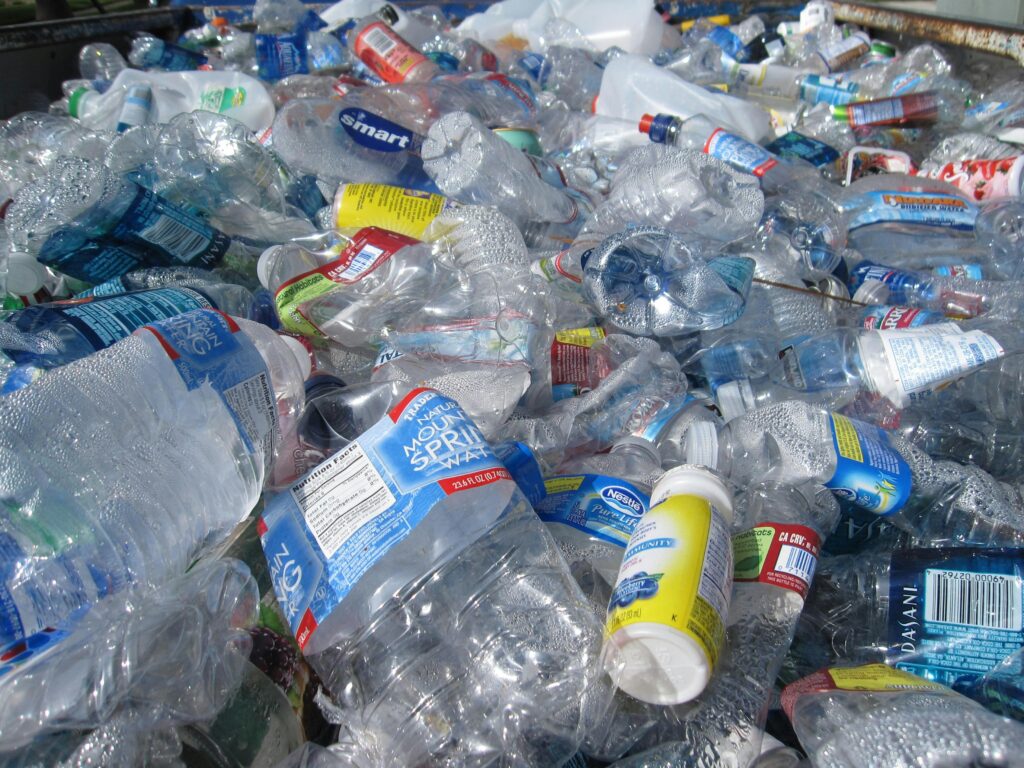
Recyclable packaging often provides strong product protection and longer shelf life, making it a common choice for food brands that need reliable barriers against moisture, air, and contamination. However, the environmental benefits depend on local recycling infrastructure and consumer participation, since not all recyclable packaging is actually recycled.
Traditional Food-Safe Plastic Films
Traditional food-safe plastic films are widely used across the food industry because they provide excellent durability, barrier protection, and extended shelf life. These materials help protect food from moisture, oxygen, contaminants, and physical damage during storage and transport. In many cases, the ability of these films to extend shelf life can also help reduce food waste, which is a major contributor to environmental impact.
While some traditional plastic films are recyclable, some flexible films require specialized recycling programs rather than standard curbside recycling.
How to Choose the Right Food-Safe Packaging
When selecting packaging for your product, brands must first take into account their product type.
- Dry goods prefer moisture-resistant, airtight packaging like kraft bags, resealable pouches, or rigid containers to maintain freshness.
- Baked goods require packaging that protects from crushing and preserves texture such as boxes, paperboard trays, or biodegradable wraps.
- Perishables need temperature-controlled or insulated packaging to maintain shelf life, such as refrigerated boxes, vacuum-sealed pouches, or barrier films.
How you plan to store your products before selling also must be taken into consideration. Packaging should match whether products are stored at room temperature, refrigerated, or frozen. Brands should also consider light, oxygen, and moisture sensitivity and whether multi-layer films or coated cartons can enhance protection.
Another element of consideration is how products will be transported. Packaging must protect against vibration, compression, and punctures during shipping. Use sturdy boxes, cushioning inserts, or tamper-evident seals for fragile or high-value items.
Once the needs of the product have been considered, look for ways to meet your brand’s sustainability goals through the packaging. Select packaging materials that align with circular economy principles: recyclable, reusable, or compostable (when systems exist to recover them). Reduce packaging volume and prioritize materials with low environmental impact during production and disposal.
Finally, remember that packaging is part of your marketing strategy. Branding and presentation matter, and your packaging is part of the customer experience. Clear, attractive, and functional designs enhance brand perception and can be achieved through custom printing, window panels, and innovative closures can make products stand out on shelves while remaining practical.
Conclusion
For ecommerce and retail food brands, choosing the right packaging is more than aesthetics. The right food safe packaging is about ensuring safety, trust, and sustainability. FDA-compliant plastics confirm that the material is safe for direct contact with food, protecting consumers from harmful chemical migration and ensuring legal compliance. Knowing a plastic is BPA-free reassures consumers and strengthens brand credibility. Compostable plastics provide an environmentally responsible option, but only when matched to proper recovery systems, helping brands align with sustainability goals without compromising product integrity. Understanding these differences lets brands deliver fresh, safe products while building credibility and aligning with today’s health- and eco-conscious consumers.
