
What Packaging Materials Are Best for Oily or Grease-Prone Products?
Last Updated on July 2, 2026 by Kira Andrus
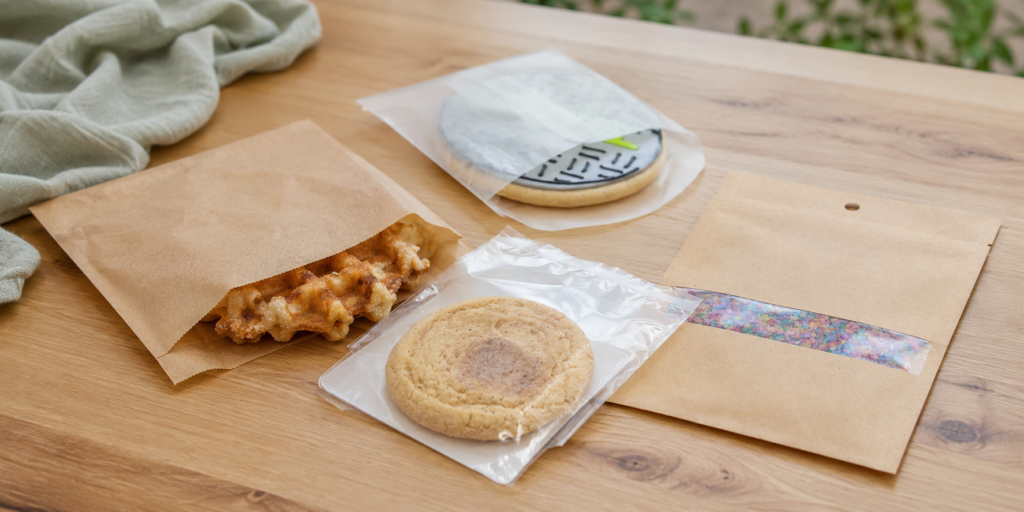
The key to choosing the right packaging for grease-prone products is about finding packaging that balances performance and appearance. Oils and fats can quickly seep through the wrong materials, leading to leaks, stains, and a less-than-ideal customer experience.
Whether you’re packaging baked goods, fried foods, or specialty treats, understanding your options can help protect your product and presentation from start to finish.
1. Start with the Right Grease-Resistant Materials
Not all paper (or packaging) is created equal, especially when grease is involved. The best materials are specifically designed to slow or block oil penetration.
Some of the most commonly used options include:
- Wax-coated paper – Adds a moisture and grease barrier for short-term use
- Greaseproof paper – Dense and refined to fully block grease absorption
- Polyethylene (PE)-lined paper – Combines paper structure with a plastic barrier
- Foil – Excellent for high-fat or high-moisture foods
- Select plastics – Ideal for complete containment and longer shelf life
Each material offers a different level of protection, so the right choice depends on how much grease your product produces and how long it needs to be stored or transported.
2. Know When Grease-Resistant Packaging Matters Most
Grease-resistant packaging is essential anytime oils or moisture could compromise the integrity of the package. It’s especially useful for:
- Baked goods like cookies and pastries
- Fried foods such as fries, chicken, or donuts
- Deli items including sandwiches or wraps
- Chocolates and confections with cocoa butter or fillings
Even small amounts of oil transfer can affect both appearance and structure, making proper packaging a key part of product quality.
3. Understand Greaseproof vs. Grease-Resistant
Greaseproof and grease-resistant are often used interchangeably, but they’re not the same.
- Greaseproof packaging provides a complete barrier, preventing oil from penetrating the material. This is typically achieved through dense paper processing or specialty treatments.
- Grease-resistant packaging is designed to repel or slow grease, often using coatings. It performs well for moderate grease exposure but may eventually show staining over time.
This means that greaseproof packaging offers full protection while grease-resistant packaging provides controlled resistance.
4. Don’t Overlook Thickness and Coatings
Material choice is only part of the equation. Thickness and coatings play a major role in how well packaging performs.
- Higher thickness (mil or GSM) increases durability and slows absorption
- Coatings like PE or wax create an added barrier against oil and moisture
- Layered materials combine structure with protection for better performance
If your product is particularly oily or warm, these added features can make a noticeable difference in preventing leaks or breakdown.
5. Explore More Sustainable Options
Grease-resistant packaging has come a long way in terms of sustainability. Many newer options balance performance with environmental impact.
- Uncoated or lightly treated grease-resistant papers are often biodegradable or compostable
- Kraft paper options made from recycled or renewable materials offer a lower-impact alternative
- Bio-based coatings provide resistance without relying on traditional plastics
In general, grease-resistant papers tend to be more eco-friendly than fully greaseproof options, which often require heavier chemical or silicone treatments to create a complete barrier.
For many businesses, switching to paper-based packaging is also a practical first step toward broader sustainability goals. Since paper is already widely used across operations, improving it can have an immediate and scalable impact.
6. Use Liners and Inserts for Extra Protection
Sometimes the best solution isn’t a single material, but a combination of materials. Adding components like:
- inner liners
- grease-resistant sheets
- pads or inserts
can help absorb excess oil and prevent it from reaching the outer packaging. This is especially useful for multi-item packaging or products with prolonged storage times.
7. Consider Design Details That Prevent Leaks
Structure matters just as much as material. Features like:
- folded or sealed edges
- gussets for expansion
- reinforced bottoms
can help contain grease and prevent weak points where leaks are more likely to occur. Even small design adjustments can improve overall performance, especially during transport or handling.
8. Learn from Real-World Sustainability Efforts
Many brands are already rethinking how grease-resistant packaging fits into their environmental goals. For example, companies like Krispy Kreme have made measurable progress by transitioning to more recyclable and paper-based packaging formats. Efforts like recyclable cartons, compostable materials, and reduced plastic usage show how performance and sustainability can work together. These shifts highlight a broader trend: packaging is no longer just functional; it’s part of a company’s long-term strategy. The same is true for small businesses, the majority of which now view recyclability as the “most critical sustainability trait”.
9. Avoid Common Packaging Mistakes
Even the best products can be compromised by the wrong packaging choices.
Some common missteps include:
- Using uncoated paper for greasy items
- Underestimating how much oil a product releases
- Skipping proper sealing or structure
- Choosing materials based on cost alone rather than performance
Taking the time to match packaging to product conditions can help avoid damage, waste, and customer dissatisfaction. If needed, reach out to your packaging partner to discuss the best options for packaging your products.
In Review
Grease-resistant packaging plays a critical role in protecting products, maintaining freshness, and preserving presentation. From material selection to structural design, each choice contributes to how well your packaging performs. With the right approach, it’s possible to balance durability, appearance, and sustainability, which ensures your products arrive just as intended.
