
Etsy Shipping Policies for International and Domestic Sellers: What to Know
Last Updated on October 8, 2026 by Kira Andrus

If you sell products on Etsy, you’re responsible for packing and shipping every order accurately and on time. That includes using secure packaging, providing correct shipping addresses, complying with domestic and international shipping regulations, and charging appropriate shipping fees.
Etsy offers tools and guidelines to help sellers manage shipping (such as integrated shipping labels, insurance options, and shipping profiles), but many of the details are still up to the seller. For new shop owners, understanding Etsy’s shipping expectations can feel overwhelming. Knowing the basics of approved carriers, packaging requirements, and international shipping rules can help you avoid delays, unexpected fees, and customer complaints.
Approved Shipping Carriers
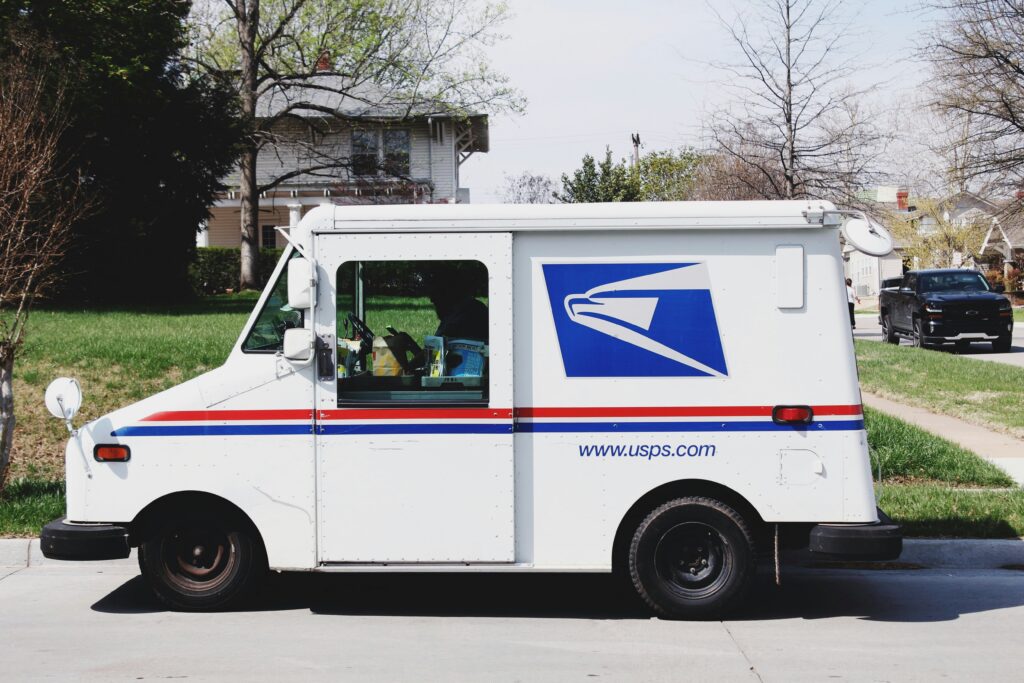
Many Etsy sellers ship their products using major carriers such as USPS, UPS, and FedEx.
- USPS is often the most affordable option for lightweight items and offers convenient pickup options, though tracking and claims support may be limited compared to private carriers.
- UPS is typically a strong choice for heavier packages and offers reliable tracking, but shipping costs can be higher.
- FedEx is known for fast delivery and dependable handling of high-value shipments, though it is often the most expensive option.
Etsy encourages sellers to purchase shipping labels through its integrated carrier partners, which include USPS, UPS, FedEx, Canada Post, Evri, Royal Mail, and Australia Post. However, sellers are not limited to these carriers. Orders can also be marked as shipped manually, allowing you to enter tracking information from another carrier, such as DHL, or integrate third-party shipping tools that automate label creation.
Even when using approved carriers, shipping issues can still occur. Etsy’s Purchase Protection program may cover buyer refunds of up to $250 in eligible cases involving lost, late, or misrepresented items. However, damaged items are typically only covered once per year. Sellers remain responsible for secure packaging, accurate listings, insurance decisions, and compliance with shipping regulations.
Packaging Expectations for Etsy Sellers
Etsy gives sellers more creative freedom with packaging than many ecommerce platforms, but products must still be packaged safely and labeled accurately. Sellers are responsible for ensuring items are packed securely, shipped promptly, and compliant with all shipping and customs regulations. Orders should only be marked as shipped once they have actually been dispatched.
Etsy sellers generally set a processing time (between 1–2 days for ready-to-ship items and up to several weeks for handmade or made-to-order products) and a shipping time (based on their chosen shipping carrier). To ensure customer satisfaction, Etsy sellers should set a realistic timeframe that includes a buffer for unexpected delays for both processing and shipping.
Beyond basic protection, packaging is also an opportunity to strengthen your brand. Because many Etsy businesses are small or handmade brands, thoughtful packaging can play a major role in customer experience. Branded boxes, stickers, thank-you cards, and product inserts can make orders feel more personal and memorable without requiring a large investment. Keep in mind the consumer unboxing experience when planning your packaging.
Well-designed packaging also supports an efficient fulfillment process. Using durable materials that protect your product while maintaining a clean presentation helps ensure items arrive safely and reflects the care behind your brand.
Size and Weight Restrictions
Choosing the right size packaging is essential for controlling shipping costs. Carriers often charge based on dimensional weight, meaning you may be billed according to the size of the package rather than its actual weight.

In simple terms, carriers charge based on whichever is greater: the package’s physical weight or its dimensional weight. Oversized boxes can significantly increase shipping costs, even for lightweight products.
If you purchase a USPS shipping label through Etsy, the final price may be adjusted after the carrier weighs and measures the package. If the dimensions, weight, origin zip code, or package type differ from the information entered when the label was purchased, additional charges may apply.
Using right-sized packaging helps prevent these adjustments. Etsy’s calculated shipping feature selects the smallest appropriate package based on the weight and dimensions you provide, helping ensure more accurate shipping costs while reducing the risk of damage during transit.
Shipping Insurance
Although sellers are not required to purchase shipping insurance to sell on Etsy, it is highly recommended for high-value or fragile items to protect against loss or damage. Some carriers include up to $100 of insurance automatically, but make sure to check with your shipping carrier for their policy. Etsy’s Purchase Protection program covers eligible items, but if a package is lost/damaged, they might not cover it if you didn’t use tracking or if the item value exceeds $250. You can purchase insurance through Etsy’s shipping labels for added security.
Keep in mind that Etsy prohibits the sale of items that create legal risks, harm the community, or violate regulations. Prohibited products include alcohol, tobacco, drugs, drug paraphernalia, and most medical drugs or devices. Items that make unverified medical claims are also restricted.
Other banned categories include dangerous materials, weapons, certain animal or human products, and items that promote violence, hatred, or illegal activity. Products that impersonate others or attempt to evade laws and regulations are also not permitted.
If a seller lists restricted items, Etsy may remove the listing or suspend or terminate the seller’s account.
How to Create a Shipping Label
Sellers in the United States, Canada, the United Kingdom, and Australia who use Etsy Payments or PayPal can purchase shipping labels directly through Etsy. These labels must be used only for Etsy orders, and sellers are responsible for ensuring the shipment complies with carrier and legal requirements.
Etsy currently supports label purchases through its affiliated shipping carriers. Shipping carriers handle the physical delivery of packages, meaning Etsy is not responsible for packages that are lost, damaged, or delayed during transit.
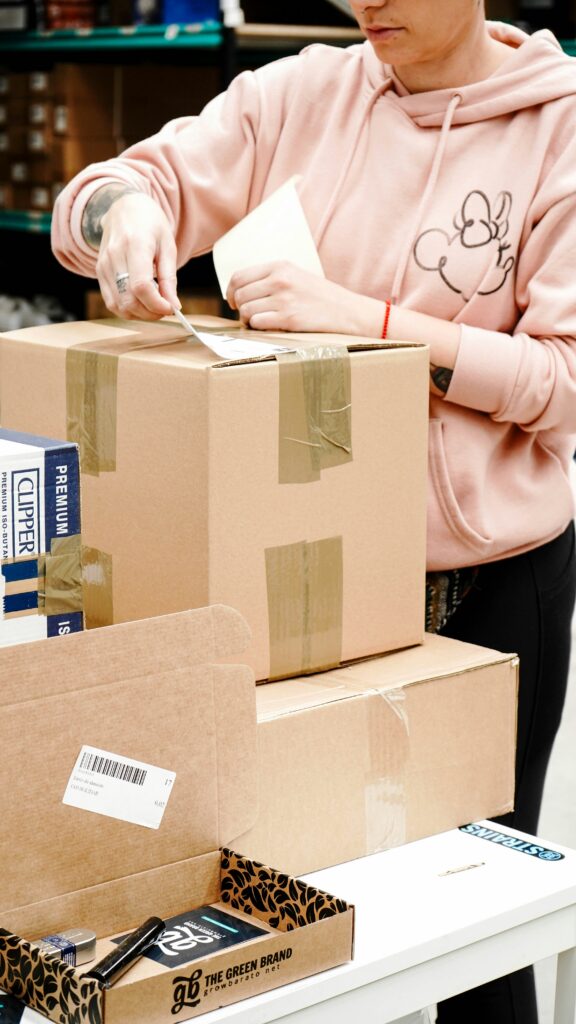
To simplify this process, many Etsy sellers create a shipping profile, which is a saved, reusable template that outlines your brand’s processing times, carrier services, costs, and destination countries. Creating an Etsy shipping profile allows sellers to save time, make bulk updates when rates increase, and set processing times. The shipping profile also allows sellers to offer multiple shipping options (i.e. expedited, calculated, or free) and utilize print-on-demand services.
International Shipments
Shipping internationally requires additional documentation and careful attention to customs requirements. Rules vary depending on the carrier and the destination country, so sellers should confirm all requirements before sending international packages.
When printing an international shipping label through Etsy, the label also serves as the customs declaration form. Sellers must provide accurate information, including package weight, item descriptions, declared value, country of origin, and any required tariff numbers. Etsy automatically fills in some information from product listings, but sellers are responsible for reviewing and correcting it if needed.
Incorrect or incomplete customs information can cause delays, additional fees, or rejected shipments. It is also important to keep receipts or documentation available in case customs authorities request verification of an item’s value.
Recent policy changes have also affected some international shipping options. For example, due to tariff changes affecting shipments to the United States, Etsy has temporarily suspended certain label purchases from Australia Post, Canada Post, and Evri for packages bound for the U.S. until those carriers can support Delivered Duty Paid (DDP) shipping options.

For Canadian sellers shipping to the United States, some goods may qualify for tariff-free entry under the United States-Mexico-Canada Agreement (USMCA) if they meet the rules of origin requirements. Some DDP shipping partners can automatically apply these exemptions when calculating duties.
To support international sellers, Etsy has also introduced additional third-party shipping partners in countries such as Bulgaria, Canada, France, Germany, Italy, Lithuania, Spain, Turkey, and Ukraine. These partners help sellers manage orders, generate shipping labels, and track inventory through integrated tools.
Conclusion
Understanding Etsy’s shipping policies can help sellers avoid unexpected costs, delivery delays, and compliance issues. By choosing reliable carriers, using right-sized packaging, and ensuring accurate shipping documentation (especially for international orders) you can create a smoother fulfillment process and a better customer experience.
Thoughtful packaging and clear shipping practices also strengthen your brand’s reputation. When orders arrive safely, on time, and well presented, customers are more likely to leave positive reviews and return to your shop in the future.
