
Eco-Friendly Packaging Guide: Compostable, Recyclable & Sustainable Packaging Explained
Last Updated on November 4, 2026 by Kira Andrus
What Is Eco-Friendly Packaging?
Eco-friendly packaging refers to packaging designed to reduce environmental impact throughout its lifecycle. Depending on the material, this may involve using renewable resources, reducing reliance on virgin plastics, supporting composting systems, increasing recyclability, or incorporating recycled content.
As sustainability regulations expand and consumer expectations continue to evolve, businesses are increasingly evaluating packaging materials not only for product protection and performance but also for their environmental footprint.
However, not all eco-friendly packaging works the same way.
Understanding the differences between compostable, biodegradable, recyclable, and recycled packaging can help businesses make informed decisions that align with their sustainability goals, operational needs, and customer expectations.
Choosing the Most Sustainable Packaging
Before exploring specific materials, it’s important to understand that the most sustainable packaging is often the packaging that creates the least waste in the first place.
Many sustainability experts emphasize a hierarchy of waste reduction:
- Reduce unnecessary packaging
- Reuse packaging whenever possible
- Recycle existing materials
- Compost materials when appropriate
- Dispose of waste as a last resort
The right packaging solution depends on your product, distribution method, shelf-life requirements, local recovery infrastructure, and sustainability objectives.
Commercially Compostable Packaging

Commercially compostable packaging is designed to break down in industrial composting facilities under controlled conditions of heat, moisture, and microbial activity.
These materials are often made from renewable resources such as plant starches and biopolymers, offering an alternative to traditional petroleum-based plastics.
Benefits of Commercially Compostable Packaging
Supports Organic Waste Diversion
Food-soiled packaging can be composted alongside food scraps, helping divert organic waste from landfills.
Reduces Greenhouse Gas Emissions
Many compostable materials require less fossil fuel input during production than conventional plastics and can help reduce methane emissions associated with food waste decomposition in landfills.
Creates Valuable Compost
When processed correctly, compostable packaging contributes to nutrient-rich compost that can improve soil health and support agricultural systems.
Reduces Long-Term Pollution
Certified compostable materials are designed to break down into natural components without leaving behind persistent plastic fragments.
Important Considerations
Commercially compostable does not mean the packaging will break down effectively in a backyard compost pile. Industrial composting facilities operate at significantly higher temperatures than home compost systems and provide the conditions required for proper decomposition.
Businesses should also consider local infrastructure. While thousands of composting facilities operate throughout the United States, many only accept yard waste and do not currently process compostable packaging.
If compostable packaging ends up in a landfill or conventional recycling stream, it may not deliver its intended environmental benefits.
Best Applications
Commercially compostable packaging works particularly well for:
- Food service packaging
- Produce packaging
- Bakery packaging
- Food-soiled packaging that cannot be easily recycled
- Events, venues, and institutions with access to composting programs
Packaging Tip: Look for third-party certifications such as BPI certification to help verify compostability claims.
Home Compostable Packaging
Home compostable packaging is designed to break down in backyard compost systems without requiring industrial processing.
These materials decompose at lower temperatures and are tested under conditions that better reflect residential composting environments.
Benefits of Home Compostable Packaging
No Commercial Facility Required
Consumers can compost packaging at home alongside food scraps and yard waste.
Made from Renewable Resources
Many home compostable materials are derived from plant-based feedstocks rather than fossil fuels.
Supports Waste Reduction
Packaging and food waste can break down together, helping reduce landfill disposal.
Contributes to Healthy Soil
As materials decompose, they contribute organic matter that can improve soil quality.
Important Considerations
Not all communities have strong composting participation, and not all consumers maintain active compost piles.
Even home-compostable materials require the right balance of moisture, oxygen, and microbial activity to break down effectively. Some products may take months (or longer) to fully decompose depending on conditions.
Best Applications
Home compostable packaging may be a strong fit for:
- Direct-to-consumer brands
- Organic and natural products
- Farmers market vendors
- Garden and seed products
- Brands targeting environmentally conscious consumers
Biodegradable Packaging
Biodegradable packaging is designed to break down through the action of naturally occurring microorganisms.
While this sounds similar to compostable packaging, the terms are not interchangeable. Compostable packaging is biodegradable, but the reverse is not true. The distinction between biodegradable and compostable comes down to the specific conditions, timeframes, and end results required for the material to break down.
Benefits of Biodegradable Packaging
Reduced Long-Term Waste
Biodegradable materials generally break down faster than conventional plastics.
Potentially Lower Environmental Impact
Many biodegradable materials are derived from renewable resources and may require less fossil fuel input.
Improved Brand Perception
Consumers often view biodegradable packaging as a more environmentally responsible alternative.
Important Considerations
One of the biggest misconceptions in sustainable packaging is that biodegradable automatically means environmentally harmless.
The term “biodegradable” does not specify how quickly a material breaks down, under what conditions it decomposes, or whether it leaves residual material behind.
Some biodegradable products still require industrial composting conditions to fully break down.
For this reason, businesses should look for clear certifications and performance data rather than relying solely on biodegradable claims.
Best Applications
Biodegradable packaging can be useful for:
- Specialty retail products
- Gift packaging
- Certain food packaging applications
- Brands seeking alternatives to traditional plastics
Recyclable Packaging
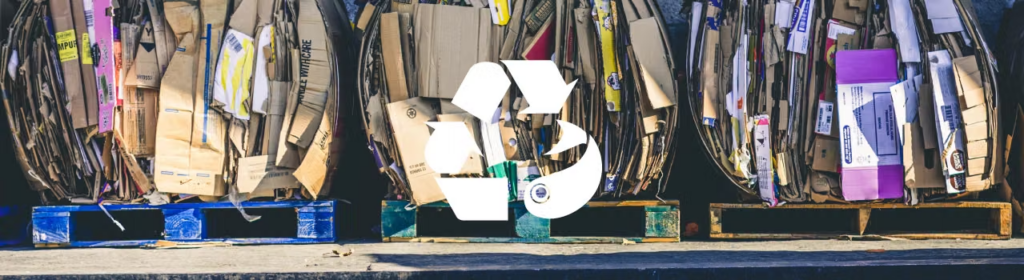
Recyclable packaging is designed to be collected, processed, and remanufactured into new products.
Recycling plays a critical role in reducing waste and supporting a circular economy by keeping materials in use for as long as possible.
Benefits of Recyclable Packaging
Conserves Resources
Recycling reduces demand for virgin raw materials.
Energy Savings
Manufacturing products from recycled materials generally requires significantly less energy than producing them from new materials.
Supports Circular Economy Goals
Keeping materials in circulation reduces waste and maximizes the value of existing resources.
Meets Emerging Regulations
Many states are implementing Extended Producer Responsibility (EPR) laws and recycled-content requirements.
Important Considerations
Recyclable does not always mean recycled.
For packaging to be recycled successfully, consumers must place it in the correct collection stream and recycling facilities must be able to process it.
Flexible films, pouches, and plastic bags often require specialized collection systems rather than curbside recycling programs.
Businesses should prioritize packaging designed for established recycling systems and provide clear disposal instructions whenever possible.
Best Applications
Recyclable packaging is commonly used for:
- Retail packaging
- E-commerce packaging
- Product boxes
- Protective packaging
- Food packaging with recyclable material structures
Recycled Packaging: PCR and PIR Materials
Recycled-content packaging incorporates materials that have already been recovered and processed for reuse.
This reduces demand for virgin plastic while helping create end markets for collected materials.
What Is PCR Packaging?
Post-Consumer Recycled (PCR) material comes from products that have already been used and discarded by consumers or businesses.
Examples include:
- Plastic bottles
- Food containers
- Household packaging
- Consumer product packaging
Benefits of PCR Packaging
Reduces Virgin Plastic Use
PCR directly replaces newly manufactured plastic.
Supports Circular Economy Systems
It creates demand for recovered materials and encourages stronger recycling infrastructure.
Lowers Greenhouse Gas Emissions
PCR typically requires less energy than producing virgin plastic.
Supports Regulatory Compliance
Many state packaging laws now encourage or require minimum recycled-content levels.
What Is PIR Packaging?
Post-Industrial Recycled (PIR) material—sometimes called pre-consumer recycled content—comes from manufacturing scrap generated during production.
Examples include:
- Factory trim waste
- Production overruns
- Manufacturing defects
While PIR prevents manufacturing waste from being discarded, PCR generally provides greater environmental benefits because it recovers material that would otherwise enter the waste stream.
Which Eco-Friendly Packaging Option Is Best?
There is no single “best” eco-friendly packaging material for every product.
The right choice depends on:
- Product protection requirements
- Food safety needs
- Moisture and oxygen barrier requirements
- Available recycling or composting infrastructure
- Customer expectations
- Sustainability goals
- Regulatory requirements
For many businesses, the most effective strategy involves combining multiple approaches, such as reducing packaging material, incorporating recycled content, improving recyclability, and selecting compostable options when appropriate recovery systems exist.
Eco-Friendly Packaging Solutions from ClearBags
ClearBags offers a wide range of eco-friendly packaging solutions designed to help businesses balance sustainability, product protection, and presentation.
Available options include:
- Commercially compostable bags
- Home compostable packaging
- Eco clear bags
- Recycled-content packaging
- rPET boxes
- Eco-friendly stand-up pouches
- Food-safe sustainable packaging
- Paper-based packaging solutions
Whether you’re packaging food products, cosmetics, gifts, retail merchandise, or e-commerce orders, selecting the right packaging material can help support your sustainability goals while maintaining the performance your products require.
Frequently Asked Questions
What is eco-friendly packaging?
Eco-friendly packaging is packaging designed to reduce environmental impact through renewable materials, recyclability, compostability, recycled content, or waste reduction strategies.
What is the difference between compostable and biodegradable packaging?
Compostable packaging breaks down into nutrient-rich organic matter under specific composting conditions. Biodegradable packaging breaks down through natural biological processes but may require varying conditions and timelines to do so.
Is compostable packaging always the most sustainable option?
Not necessarily. The most sustainable option depends on the product, local waste infrastructure, and whether the packaging can be properly recovered. In some cases, recyclable or recycled-content packaging may offer greater environmental benefits.
What is PCR packaging?
PCR (Post-Consumer Recycled) packaging contains material recovered from products that have already been used and discarded by consumers or businesses.
What is the difference between PCR and PIR?
PCR comes from post-consumer waste such as bottles and containers collected after use. PIR comes from manufacturing scrap generated during production before a product reaches consumers.
What should businesses consider when choosing eco-friendly packaging?
Businesses should evaluate product protection requirements, shelf life, food safety, sustainability goals, customer expectations, available recycling or composting infrastructure, and regulatory requirements.
