
How to Protect Valuable Collectibles from Moisture, Dust & UV Damage
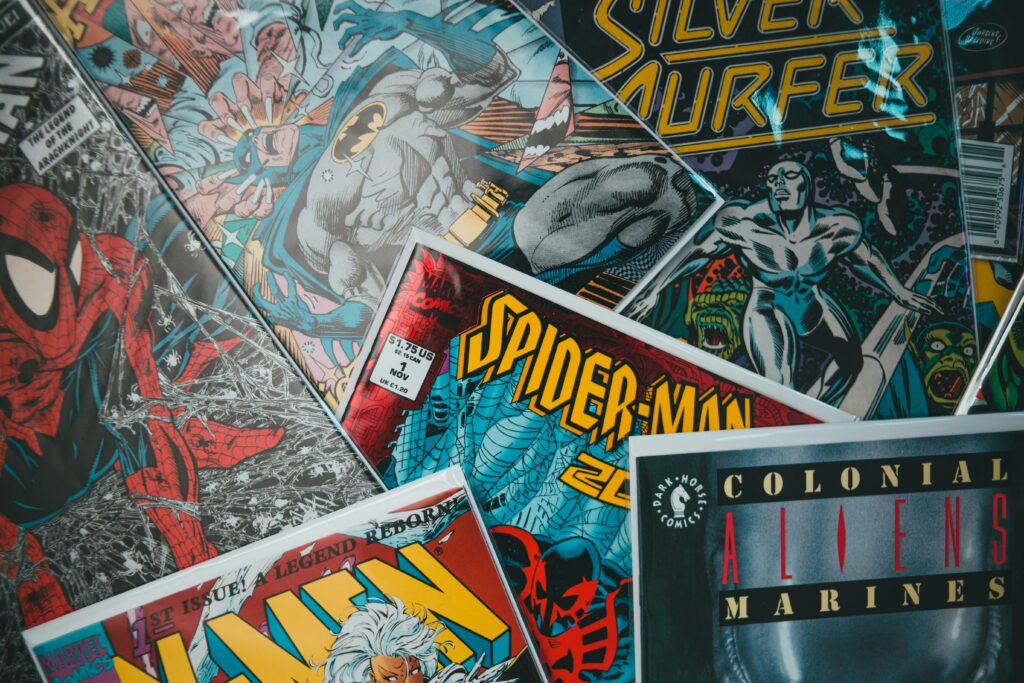
Whether you’re a dedicated collector, hobby shop owner, online reseller, or museum curator, protecting collectibles is essential for preserving both their appearance and value. Moisture, dust, sunlight, and improper handling can quickly turn a prized collectible into a damaged item that loses its appeal and, in some cases, its market value.
From Pokémon cards and sports cards to comic books, currency, and vintage playing cards, proper storage starts with choosing the right protective packaging. Archival-safe sleeves, rigid holders, and climate-controlled storage environments all play a role in long-term preservation.
This guide covers the most common threats to collectibles and the best ways to protect your collection for years to come.
The Biggest Threats to Collectibles
Before selecting storage materials, it’s important to understand what causes collectible damage.
Moisture and Humidity
Excess moisture can warp paper products, encourage mold growth, and cause collectibles to stick together. High humidity is particularly damaging to paper-based items such as cards, comics, and currency.
Dust and Dirt
Dust may seem harmless, but over time it can scratch surfaces, discolor packaging, and introduce contaminants that accelerate deterioration.
UV Exposure
Direct sunlight and ultraviolet (UV) light are among the fastest ways to damage collectibles. Colors fade, paper yellows, and packaging can become brittle when exposed to sunlight for extended periods.
Improper Handling
Natural oils, dirt, and moisture from your hands can leave permanent marks on collectibles. Frequent handling without protective sleeves increases the risk of scratches, bends, and surface wear.
Protecting Pokémon Cards and Trading Card Collections
The trading card market continues to grow, with collectors investing heavily in Pokémon cards, trading card games, and specialty releases. Proper storage is critical for maintaining condition and long-term value.
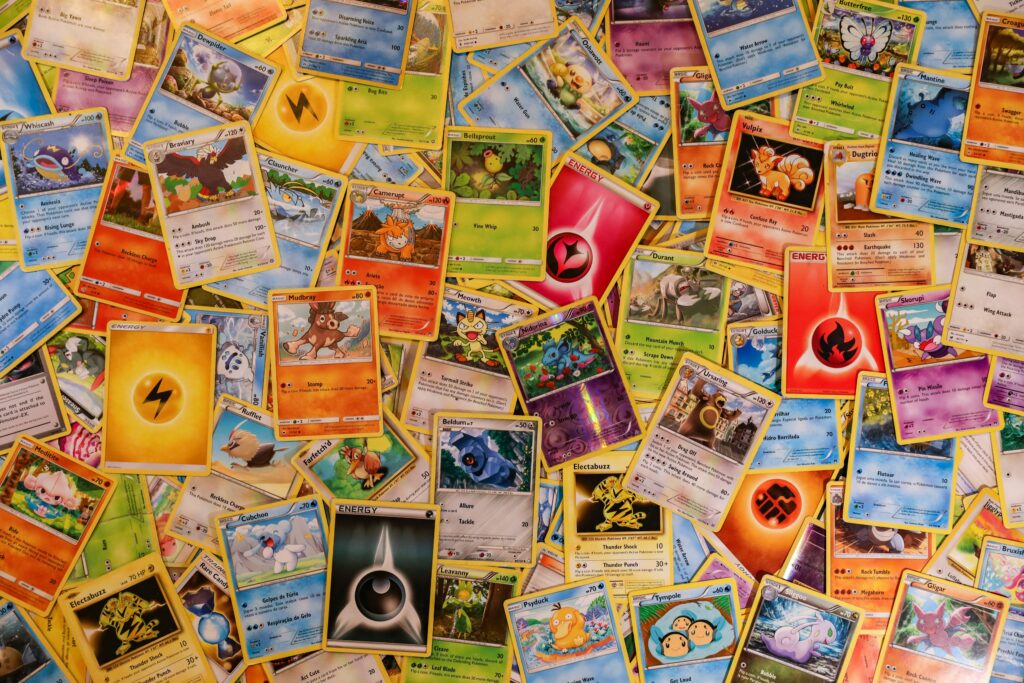
Start with a “Penny Sleeve”
A soft polypropylene penny sleeve (no flap bag) should be the first layer of protection for any collectible card. These sleeves help prevent scratches and surface wear during handling.
Many collectors sleeve cards immediately after opening packs to avoid accidental damage.
Add a Rigid Top Loader
For valuable cards, a rigid top loader provides an additional layer of protection against bends, creases, and corner damage.
A common best practice is:
- Insert the card into a penny sleeve.
- Place the sleeved card into a rigid top loader.
- Store upright in a protective storage box or binder.
Control Temperature and Humidity
Trading cards perform best when stored in a cool, dry environment. High humidity can cause warping, especially in holographic cards, while extreme dryness may make cardstock brittle over time.
Keep Cards Out of Direct Sunlight
UV exposure gradually fades colors and artwork. Store cards away from windows and consider UV-resistant storage solutions for displayed collections.
Best Practices for Sports Card Preservation
Sports card collectors face many of the same preservation challenges as trading card collectors.
Protect Card Surfaces
Card surfaces are particularly vulnerable to fingerprints and scratches. Always handle cards by the edges and avoid touching the printed surface whenever possible.
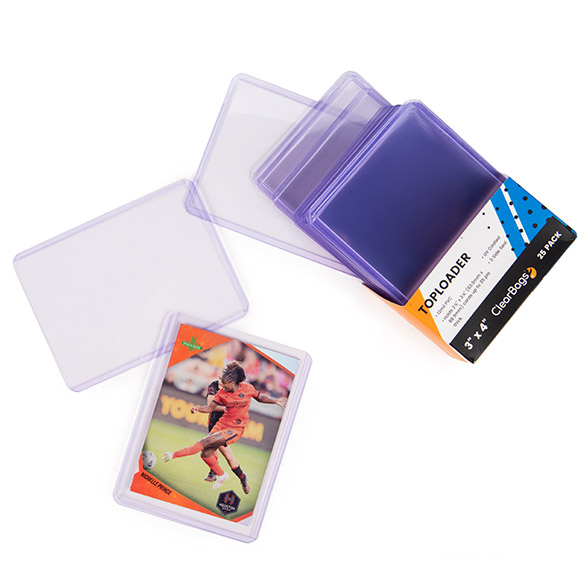
Use Layered Protection
The combination of a penny sleeve and rigid top loader remains one of the most effective and affordable methods for protecting valuable sports cards.
Create a Stable Storage Environment
Many collectors recommend maintaining storage conditions around:
- 40–55% relative humidity
- 65–72°F temperatures
- Minimal exposure to sunlight
Stable environmental conditions help prevent warping, mold, and discoloration.
How to Preserve Collectible Playing Cards
Playing cards occupy a unique space in the collectibles market. Some decks are valued for their artwork, while others become desirable due to rarity, historical significance, or limited production runs.
Remove Factory Shrink Wrap for Long-Term Storage
Many collectors assume sealed decks should remain unopened forever. However, factory shrink wrap can eventually trap moisture or tighten around the tuck box, leading to warping, creasing, or permanent packaging damage.
Carefully removing the original wrap can actually improve long-term preservation.
Protect Tuck Boxes
The tuck box often becomes damaged long before the cards themselves. Clear protective deck sleeves and archival storage boxes help protect corners, edges, and printed surfaces from wear.
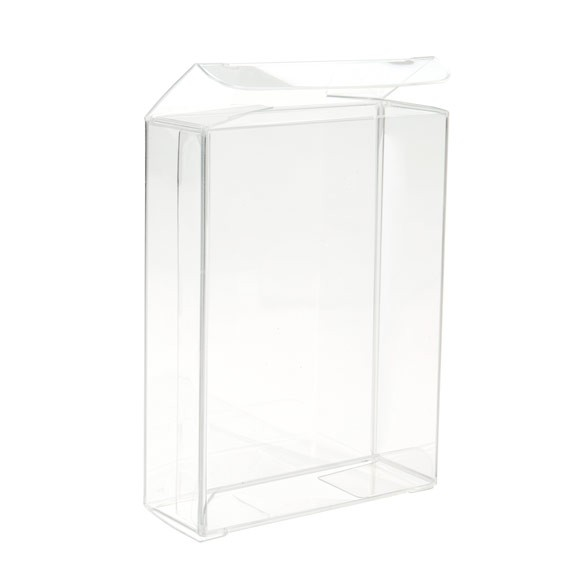
Store in a Climate-Controlled Environment
Playing cards should be stored in cool, dry conditions away from sunlight and excess humidity. This helps prevent cardstock expansion, sticking, and fading.
Comic Book Storage and Preservation Tips
Comic books combine paper, ink, and collectible value, making them especially vulnerable to environmental damage.
Bag and Board Every Comic
One of the most effective preservation methods is using archival comic bags paired with acid-free backing boards.
Benefits include:
- Protection from dust and dirt
- Reduced risk of bends and creases
- Additional structural support
- Improved long-term preservation
Store Comics Upright
Comics should be stored vertically in dedicated comic storage boxes. Overfilling boxes can cause spine stress, while underfilled boxes may allow comics to lean and warp.
https://www.instagram.com/clearbags/reel/DZVpjWGB3Ry
Choose Archival-Safe Materials
Polypropylene comic bags provide excellent clarity and protection for everyday collections. For valuable books intended for long-term storage, archival-quality materials are particularly important.
Avoid Sunlight and High Humidity
Direct sunlight causes fading and paper degradation. High humidity encourages mold growth and can permanently damage pages and covers.
Protecting Collectible Currency and Paper Money
Paper money, banknotes, and other numismatic collectibles require careful handling and archival storage practices.

Handle Currency Carefully
Before touching collectible currency:
- Wash and dry your hands thoroughly.
- Consider wearing clean cotton gloves.
- Handle notes by the edges whenever possible.
Never Clean Collectible Currency
Cleaning, repairing, or attempting to improve the appearance of paper money almost always reduces its value. Even minor alterations can negatively impact collector demand.
Use Archival Sleeves
Acid-free archival sleeves provide protection from:
- Dust
- Fingerprints
- Moisture
- Environmental contaminants
Individual storage also prevents notes from rubbing against one another.
Store Flat and Protected
Currency should remain flat rather than folded or rolled. A cool, dark, dry storage environment helps preserve paper fibers and printed inks.
Choosing Archival-Safe Packaging Materials
Not all plastics are created equal. When selecting packaging for collectibles, material choice matters.
Recommended Materials
The most commonly recommended archival materials include:
- Polypropylene (PP)
- Polyethylene (PE)
- Polyester (PET)
These materials are widely used because they offer excellent clarity, durability, and long-term stability.
Materials to Avoid
PVC (polyvinyl chloride) should generally be avoided for long-term archival storage. As it ages, it can release chemicals that may damage collectibles and cause discoloration.
Product Recommendations for Collectible Protection
The right packaging depends on the type of collectible you’re storing, but several categories consistently help collectors preserve value and presentation.
Trading Cards and Sports Cards
- Soft penny sleeves
- Rigid top loaders
- Card storage boxes
- Trading card binders
Playing Cards
- Clear deck sleeves
- Protective display boxes
- Archival-safe storage containers
Comic Books
- Polypropylene comic bags
- Acid-free backing boards
- Comic book top loaders
- Comic storage boxes
Currency and Small Collectibles
- Archival currency sleeves
- Acid-free storage envelopes
- Small collectible bags
- Protective display holders
Preserve Your Collection for the Future
Whether you’re safeguarding a valuable Pokémon card, a rare sports card, a vintage comic book, or collectible currency, proper packaging plays a critical role in protecting your investment. By combining archival-safe packaging materials with climate-controlled storage and careful handling practices, collectors can dramatically reduce the risk of moisture damage, dust accumulation, UV fading, and physical wear.
The right protection today helps ensure your collectibles remain valuable, display-worthy, and enjoyable for generations to come.
Frequently Asked Questions
What is the best way to store collectible cards?
Most collectors recommend placing cards in penny sleeves and then inside rigid top loaders. Store them upright in a cool, dry environment away from direct sunlight.
Can humidity damage collectibles?
Yes. High humidity can cause warping, mold growth, discoloration, and deterioration of paper-based collectibles such as cards, comics, and currency.
Are polypropylene sleeves archival safe?
Yes. Polypropylene is widely used for collectible storage because it offers excellent clarity and long-term protection without damaging contents.
Should collectible cards be stored in sunlight?
No. Direct sunlight and UV exposure can fade colors, weaken paper fibers, and reduce collectible value over time.
What packaging materials should collectors avoid?
Collectors should generally avoid PVC-based storage products because they can release harmful chemicals as they age and may damage collectibles over time.
