
8 Ways to Elevate Stock Packaging with Creative Customization
Last Updated on July 7, 2026 by Kira Andrus
Stock packaging offers a reliable, cost-effective foundation for product protection, but it doesn’t have to feel generic. With thoughtful enhancements, standard bags and boxes can be transformed into packaging that reflects your brand, improves presentation, and supports customer engagement.
These customization methods are especially effective for businesses managing smaller production runs or testing new products, where fully custom packaging may not yet be practical.
Below are eight approachable ways to enhance stock packaging without overhauling your supply chain.
1. Add Structure and Branding with Header Cards
Header cards are a simple way to elevate clear bags or pouches while adding space for branding and product information. By pairing transparent packaging with a well-designed card, businesses can showcase the product while maintaining a professional, retail-ready appearance.
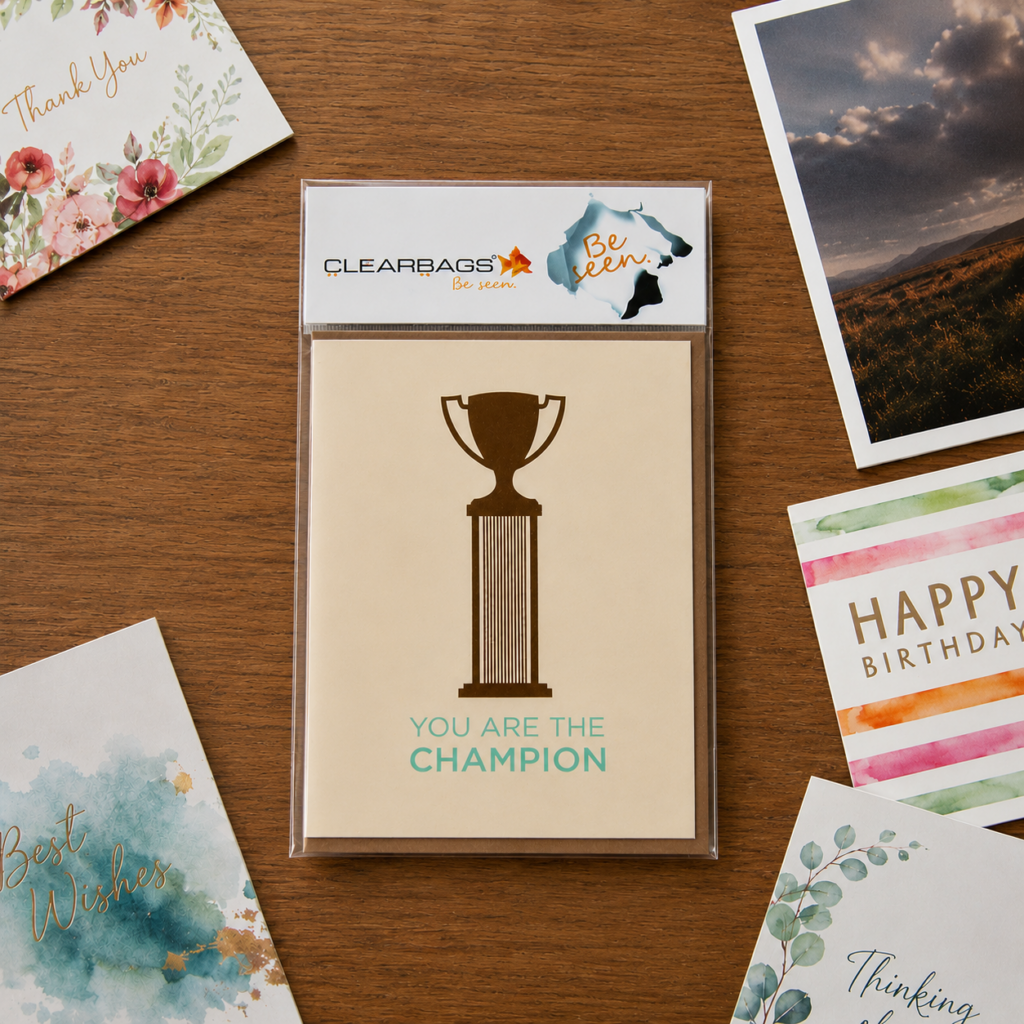
This approach is particularly useful for hanging displays or organized merchandising environments.
2. Create Dimension with Nested Packaging
Combining multiple boxes or containers within a single package can add both structure and visual interest. Nested packaging works well for kits, bundled products, or items with multiple components.
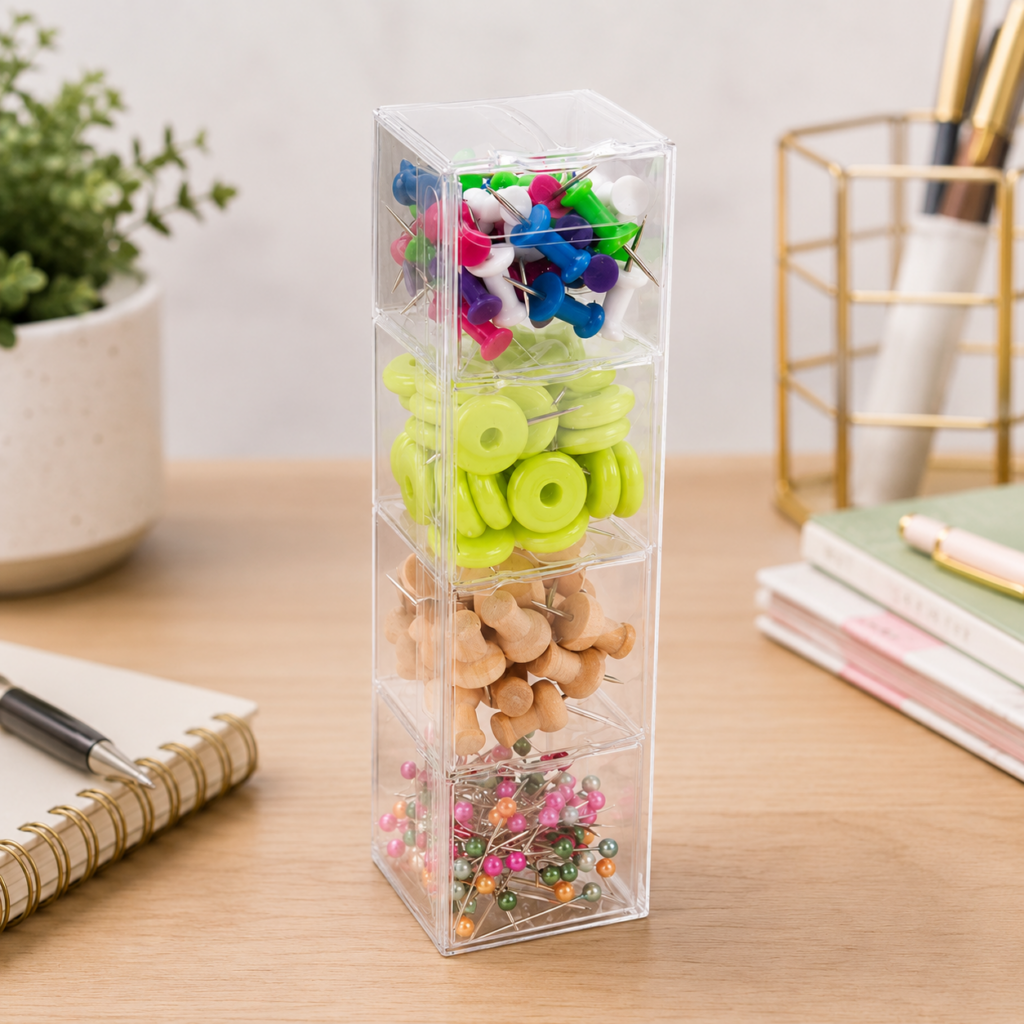
Using clear or complementary materials can further enhance visibility, allowing each element of the product to contribute to the overall presentation.
3. Introduce Variety with Specialty Finishes
Limited-edition colors, seasonal patterns, or unique finishes can help differentiate products and create a sense of timeliness. Specialty packaging is an effective way to support promotions, highlight product launches, or align with specific events without requiring permanent design changes.
This strategy can also encourage repeat purchases through collectible or themed packaging.
4. Incorporate Hand-Applied Design Elements
Stamps and stencils provide a flexible way to add branding or decorative elements while maintaining a handcrafted feel. This method is particularly appealing for small businesses, artisanal products, or limited runs where individuality is part of the value of the product.
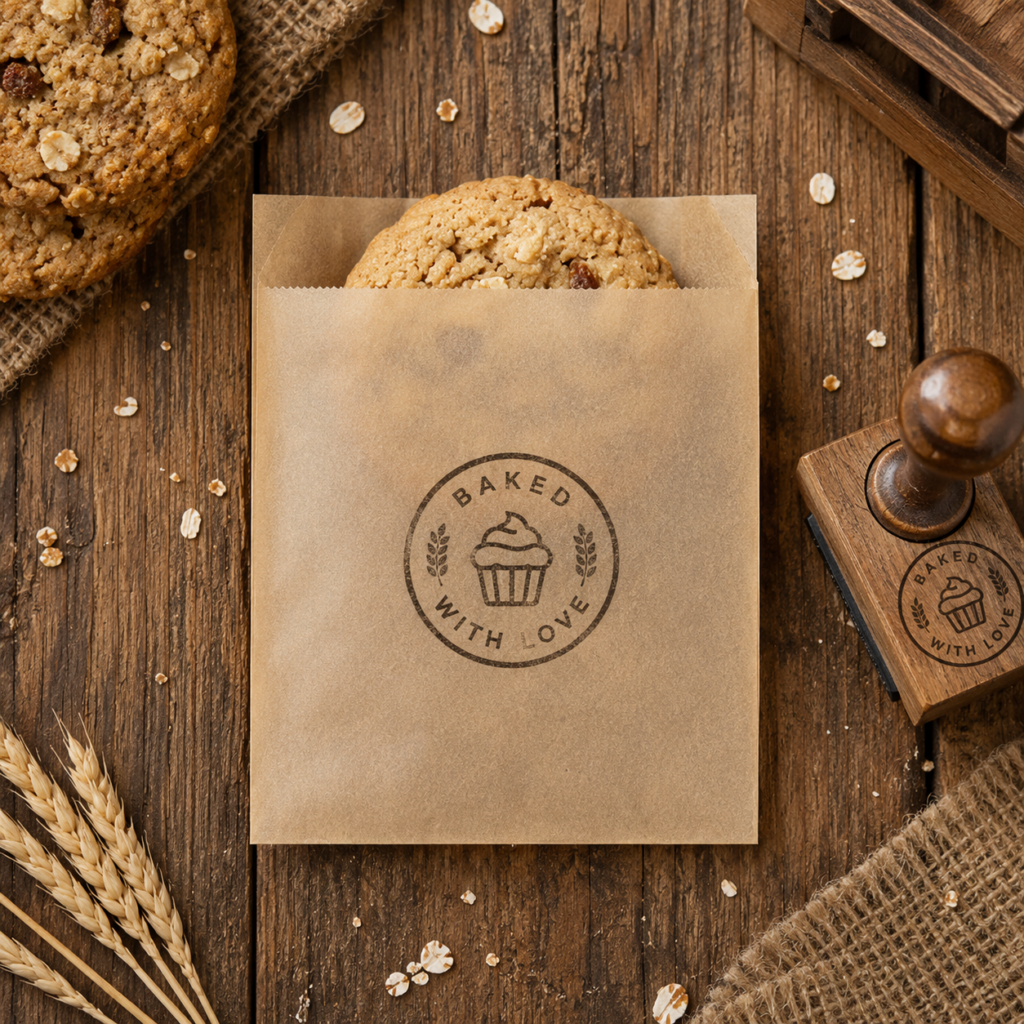
It also allows for quick updates or variations without committing to large print quantities.
5. Add Texture with Embossing
Embossing introduces a tactile element that enhances perceived quality. By creating raised designs or patterns, businesses can add depth and sophistication to otherwise simple packaging.
This technique is especially effective for branding elements such as logos or seals, where subtlety can reinforce a premium feel.
6. Use Labels for Flexible Customization
Labels remain one of the most efficient ways to customize packaging. They allow for quick updates to branding, product details, or regulatory information without changing the base packaging.
For businesses managing multiple SKUs or frequent design changes, labels provide scalability and adaptability while maintaining a consistent look.
7. Enhance Presentation with Tie-Ons and Closures
Details such as ribbons, twist ties, or pre-tied bows can significantly improve the overall presentation of a package. These additions not only secure the product but also create a more polished and intentional appearance.
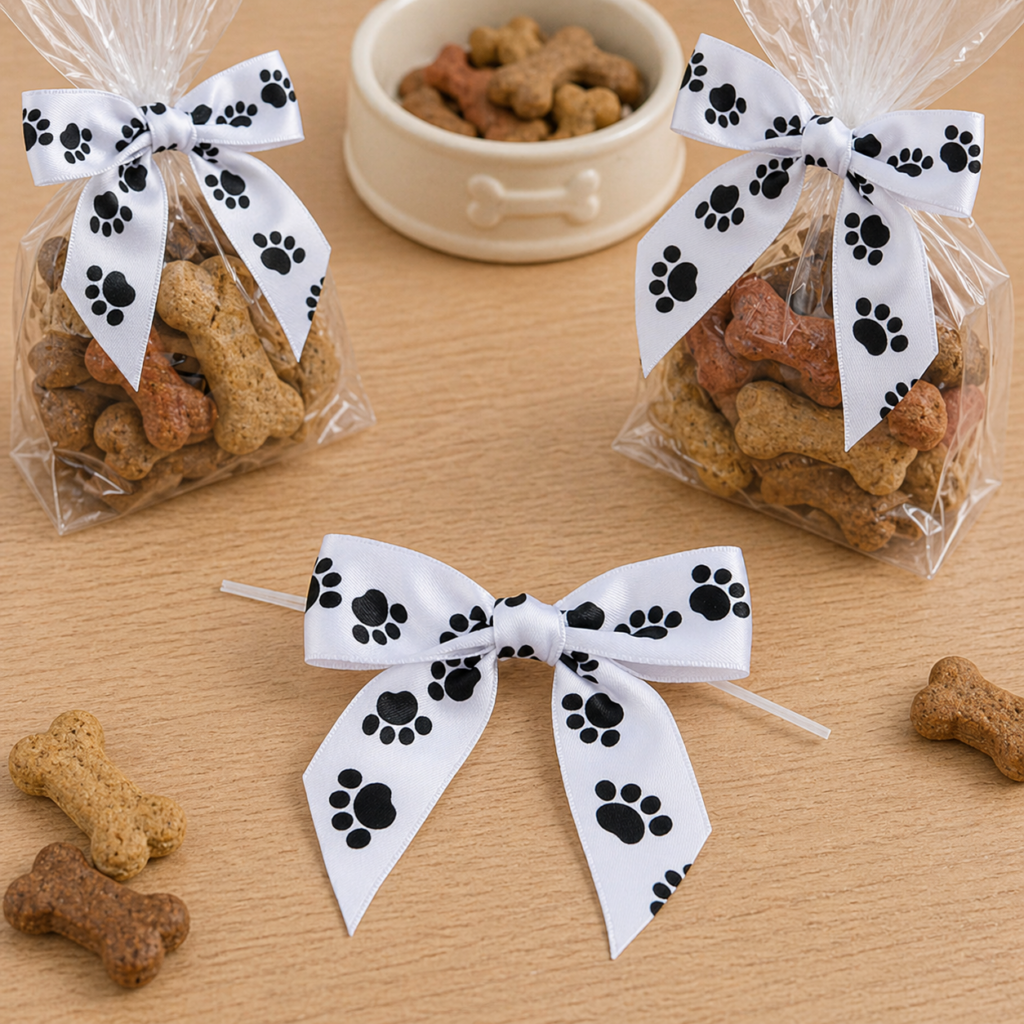
They are particularly effective in gift-oriented markets or for products where presentation is closely tied to perceived value.
8. Improve Functionality with Inserts and Compartments
Adding inserts such as paperboard dividers, foam pads, or trays can significantly enhance both product protection and presentation. Inserts help keep items securely in place, reduce movement during transit, and create a more organized unboxing experience.
This approach is especially valuable for multi-piece products, fragile items, or kits, where structure and separation improve both usability and perceived quality.
Stock Packaging Is a Starting Point
Stock packaging provides a versatile starting point for businesses across industries. With the right combination of creative enhancements and practical considerations, it can be adapted to meet both functional and branding goals.
As order volumes increase, transitioning from manual customization methods to custom-printed packaging can improve efficiency and consistency. Printing directly on bags or boxes reduces assembly time and ensures a cohesive brand presentation across all units.
Whether you’re testing new products, managing seasonal demand, or building a more recognizable brand presence, small design choices can have a meaningful impact.
