
The Best Packaging for Displaying Collectibles: A Guide for Collectors and Retailers
Last Updated on July 14, 2026 by Kira Andrus
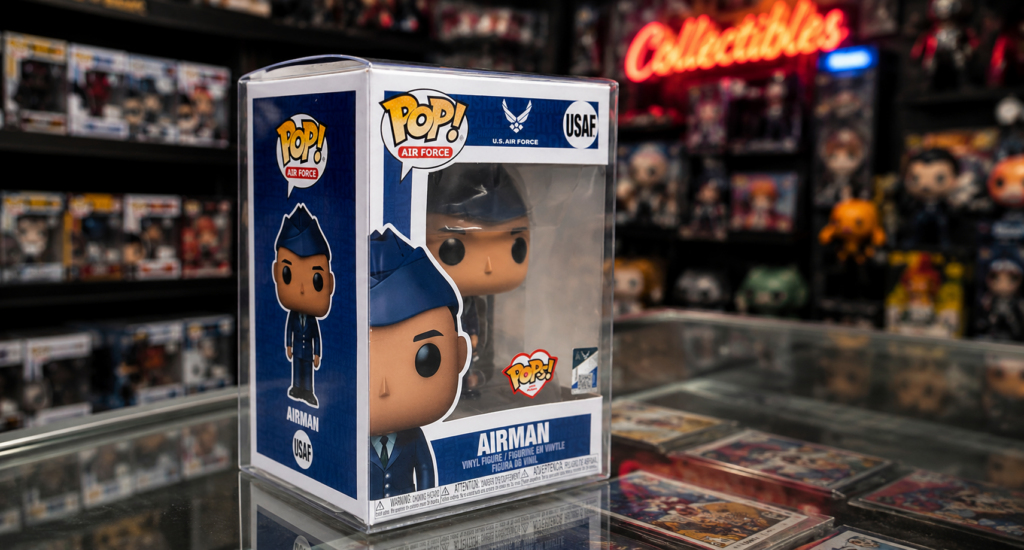
Collecting is about both preservation and presentation. Whether you’re showcasing a rare Funko Pop, displaying a prized mineral specimen, organizing a seashell collection, or protecting valuable coins, the right packaging can enhance visibility while safeguarding your collectibles from dust, UV exposure, and accidental damage.
For retailers, museums, hobby shops, and collectors alike, packaging serves a dual purpose: protection and display. Clear, archival-safe packaging allows collectibles to be enjoyed without compromising their condition or value.
This guide explores the best packaging solutions for displaying popular collectibles while keeping them safe for years to come.
Why Display Packaging Matters
Many collectibles lose value not because of age, but because of improper storage and handling. Display packaging helps solve several common challenges.
Protection from Dust and Dirt
Dust accumulation can dull surfaces, discolor packaging, and require frequent cleaning that increases handling risks.
Reduced Handling Damage
Protective display packaging allows collectors and customers to view collectibles without directly touching them.
UV and Environmental Protection
Many display solutions offer protection against sunlight, humidity, and environmental contaminants that can cause fading and deterioration.
Improved Presentation
Clear display packaging enhances visual appeal while keeping collections organized and professional-looking.
Best Packaging for Funko Pop Figures
Funko Pops have become one of the most recognizable collectible categories, with rare figures commanding significant resale values. For many collectors, the condition of both the figure and its original packaging is critical.
Keep Pops in Their Original Boxes
While some collectors enjoy displaying figures out of the box, keeping Funko Pops in their original packaging typically helps preserve value.
Removing figures increases exposure to:
- Dust accumulation
- Scratches and paint wear
- UV damage
- Accidental drops
Use Protective Display Cases
Soft plastic protectors and hard acrylic display cases provide an extra layer of protection while maintaining full visibility.
These protectors help prevent:
- Corner dings
- Box creases
- Surface scratches
- Dust buildup
Avoid Direct Sunlight
Vinyl figures and printed packaging can fade surprisingly quickly when exposed to sunlight. Display collections away from windows or in rooms with controlled lighting.
Maintain Stable Conditions
Heat and humidity can warp vinyl figures and weaken cardboard packaging. Climate-controlled rooms are ideal for long-term display.
Displaying Rocks and Minerals Without Damage
Rock and mineral collections often contain specimens with unique colors, crystal formations, and textures that deserve to be showcased.
However, many minerals are more fragile than they appear.
Prevent Scratches During Display
Many minerals can scratch one another when stored together. Individual compartments or separated display cases help prevent surface damage.
Popular display options include:
- Divided specimen boxes
- Clear display cases
- Cotton-lined trays
- Individual specimen containers
Protect Sensitive Minerals
Certain minerals are highly sensitive to moisture, temperature fluctuations, and sunlight.
For example:
- Fluorescent minerals may fade
- Soft crystals can fracture
- Water-soluble minerals may deteriorate
Display packaging helps create a protective barrier while still allowing visibility.
Label and Document Collections
A mineral’s scientific and historical value often depends on its documented origin.
Consider displaying:
- Mineral name
- Collection location
- Date acquired
- Geological information
Protective packaging that accommodates labels can improve both educational value and organization.
How to Display Seashell Collections
Seashell collectors invest significant time finding, cleaning, and cataloging specimens. Proper display packaging helps preserve their beauty.
Protect Shells from Sunlight
One of the biggest threats to seashell collections is UV exposure.
Direct sunlight can:
- Fade vibrant colors
- Dull natural shine
- Weaken delicate surfaces
Display cases with enclosed protection help minimize light exposure while allowing shells to remain visible.
Reduce Dust Accumulation
Intricate shell shapes easily trap dust, making cleaning difficult.
Clear display containers help:
- Keep shells cleaner
- Reduce handling
- Improve long-term preservation
Organize by Collection Data
Many collectors record information such as:
- Collection location
- Date found
- Species identification
Compartmentalized display packaging makes it easy to organize and preserve this information alongside each specimen.
Control Humidity
Although seashells are durable, prolonged humidity can contribute to discoloration and deterioration. Displaying shells in a dry environment helps maintain their appearance.
Best Coin Packaging for Display and Storage
Coin collectors and numismatists understand that condition is everything. Even minor scratches or environmental damage can significantly impact value.
Use Protective Coin Holders
Coins should never be displayed loose on shelves or in open containers.
Protective holders help prevent:
- Fingerprint damage
- Surface scratches
- Dust contamination
- Environmental exposure
Choose Archival-Safe Materials
Acid-free and PVC-free materials are essential for long-term coin preservation. Poor-quality plastics can release chemicals over time that may damage coin surfaces.
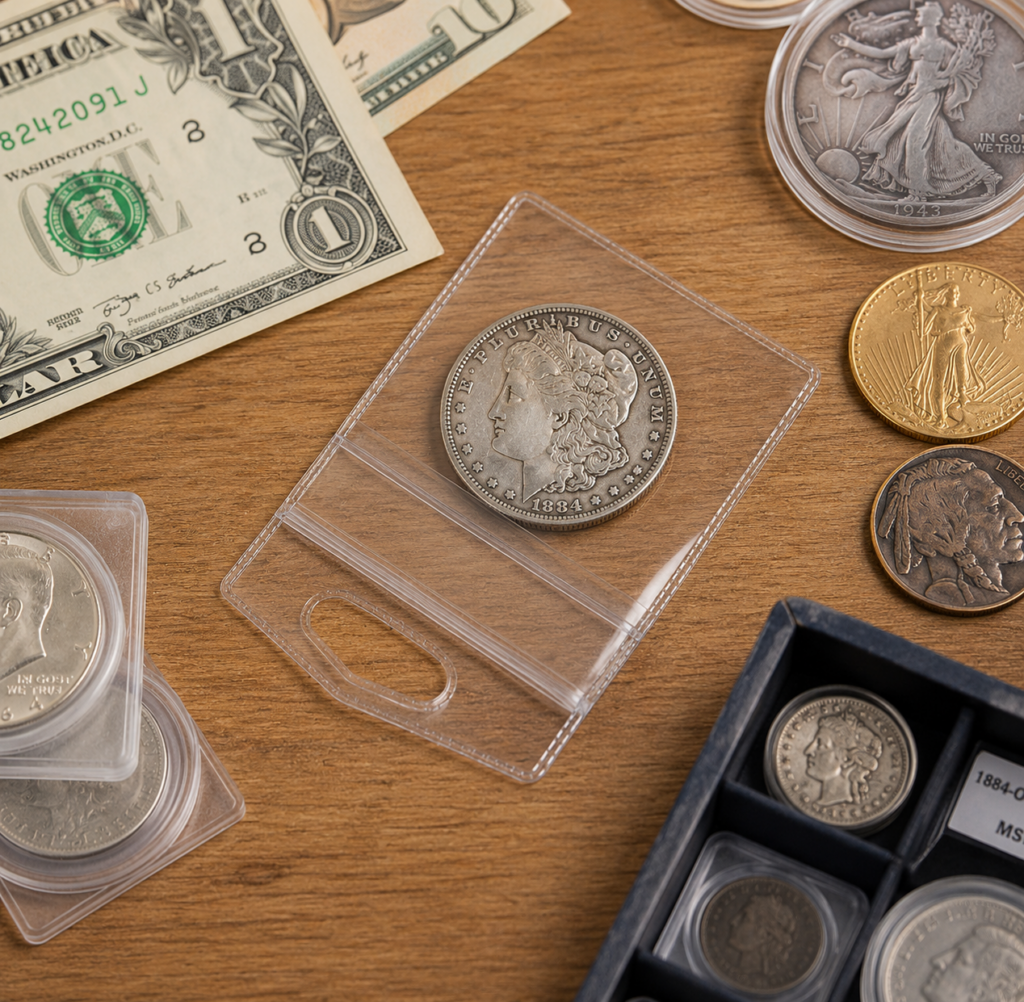
Consider Polypropylene Sleeves for Valuable Coins
Clear coin sleeves provide an excellent combination of visibility and protection.
Benefits include:
- Full visibility from both sides
- Minimal handling
- Protection from airborne contaminants
- Long-term preservation
Display While Maintaining Security
Collectors often want to showcase valuable pieces while keeping them protected.
Clear display cases and compartmentalized storage systems allow collections to remain visible without sacrificing safety.
Choosing the Right Packaging Material
Not all display packaging offers the same level of protection.
Polypropylene
Polypropylene is one of the most popular materials for collectible packaging because it provides:
- High clarity
- Archival safety
- Excellent durability
- Resistance to tearing and wrinkling
PET Plastic
PET offers exceptional transparency and rigidity, making it ideal for display boxes and protective containers.
Acrylic
Premium acrylic cases are commonly used for high-value collectibles because they provide outstanding visibility and structural protection.
Avoid PVC
PVC plastics can deteriorate over time and potentially damage collectibles. For long-term storage and display, archival-safe alternatives are generally preferred.
Product Recommendations for Displaying Collectibles
The ideal packaging solution depends on the size, value, and type of collectible.
Funko Pops
Recommended packaging categories:
- Soft plastic protectors
- Acrylic display cases
- Dust-resistant display boxes
- Stackable display containers
Rocks and Minerals
Recommended packaging categories:
- Compartment display trays
- Clear specimen boxes
- Individual collection cases
Seashells
Recommended packaging categories:
- Clear display boxes
- Compartment organizers
- Protective specimen containers
- Dust-resistant display cases
Coins
Recommended packaging categories:
- Coin sleeves
- Coin envelopes
- Display cases
- Archival-safe storage envelopes
Packaging Tips for Retailers Selling Collectibles
Retailers face unique challenges because collectibles must remain protected while still attracting customers.
Effective collectible packaging should:
- Provide full product visibility
- Minimize handling
- Resist dust accumulation
- Protect against scratches and dents
- Create an attractive presentation
Clear display packaging is especially effective because it allows customers to examine collectibles without removing them from their protective environment.
Display Collections with Confidence
The best collectible displays strike a balance between visibility and protection. Whether you’re showcasing Funko Pops, organizing mineral specimens, preserving seashell collections, or displaying rare coins, proper packaging helps maintain both appearance and value.
Investing in archival-safe display packaging protects collectibles from dust, UV exposure, humidity, and handling damage while creating a clean, professional presentation.
For collectors and retailers alike, the right display packaging ensures collectibles remain protected, organized, and ready to be admired for years to come.
Frequently Asked Questions
Should Funko Pops be displayed in or out of the box?
This is really up to you. However, collectors focused on preserving value generally keep Funko Pops in their original packaging and use protective display cases for additional protection.
What is the best way to display rocks and minerals?
Individual display boxes, specimen trays, and compartment organizers help prevent scratches while showcasing unique features.
How do you prevent seashells from fading?
Store and display shells away from direct sunlight and excessive humidity to preserve their natural color and appearance.
What is a numismatist?
A numismatist is a collector or researcher who studies coins, paper money, tokens, medals, and other forms of currency.
What packaging is best for displaying coins?
Coin capsules, archival-safe holders, and clear display cases provide excellent visibility while protecting coins from scratches, fingerprints, and environmental damage.
