
Tamper-Evident Packaging: Types, Benefits, and When You Need It
Last Updated on August 20, 2026 by Kira Andrus
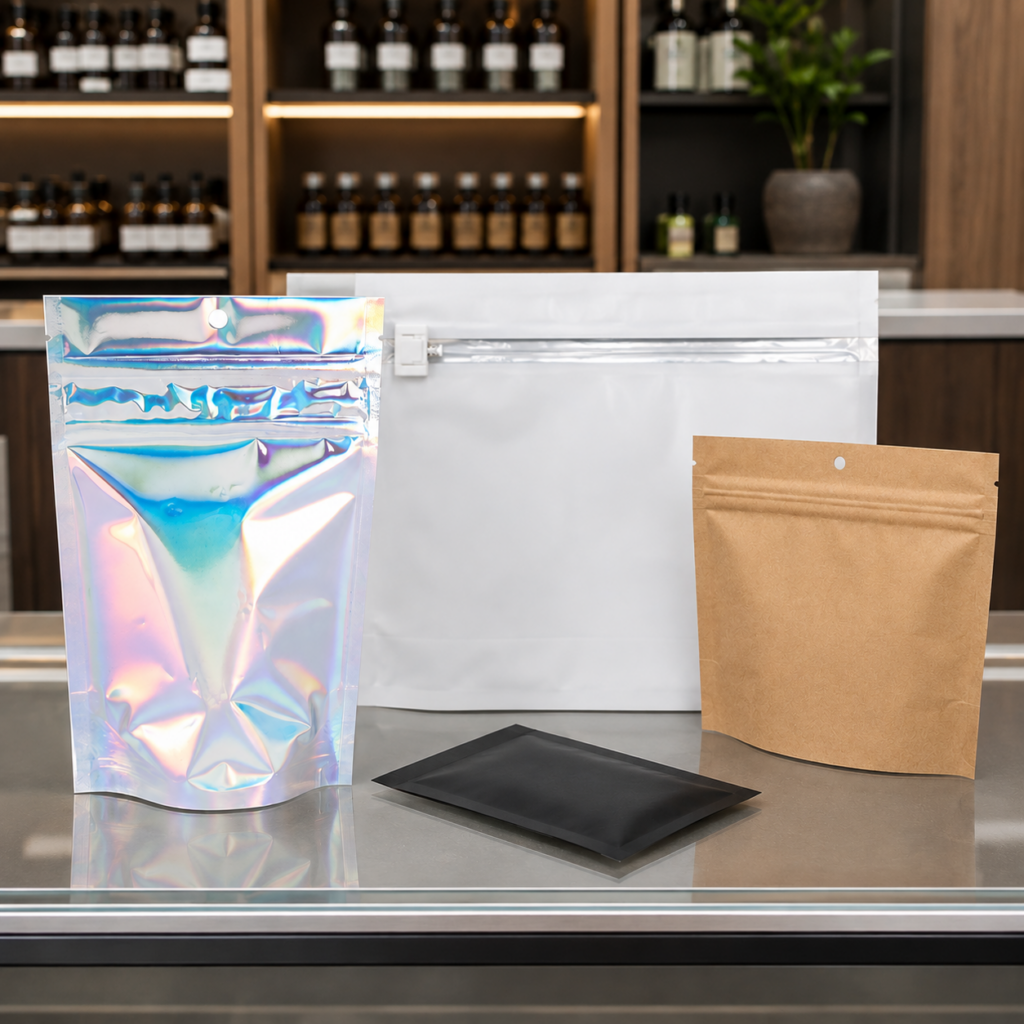
Tamper-evident packaging has become a critical part of modern product protection across industries ranging from food and supplements to cosmetics and e-commerce. Consumers expect packaging that not only preserves product quality but also clearly shows whether an item has been opened, altered, or compromised before purchase.
For brands, tamper-evident packaging supports more than safety. It helps build customer trust, supports regulatory compliance, protects brand reputation, and reduces the risk of product interference during shipping, storage, and retail handling.
As supply chains grow more complex and customers become more aware of product safety, businesses are increasingly using tamper-evident packaging as part of their overall packaging strategy.
What Is Tamper-Evident Packaging?
Tamper-evident packaging refers to packaging designed with one or more indicators or barriers that provide visible evidence if the package has been opened or altered. Once the seal or closure is broken, the tampering cannot be hidden or easily restored.
The purpose of tamper evident packaging is to help consumers quickly identify whether a product may have been compromised before use. Common examples include shrink bands around bottle caps, sealed pouch closures, adhesive security labels, and breakaway caps.
While the terms are often used interchangeably, tamper-evident packaging differs from tamper-resistant packaging and tamper-proof packaging.
- Tamper-evident packaging visibly shows when interference has occurred.
- Tamper-resistant packaging is designed to make products harder to access or alter.
- Tamper-proof packaging claims to prevent unauthorized access entirely. While tamper-proof packaging is a common marketing phrase, no packaging can be completely tamper-proof in every situation.
Tamper-evident solutions are typically designed to balance security with usability. Unlike some tamper-resistant closures that can be difficult to open, tamper-evident features are often easy for consumers to remove while still providing clear visual indicators if a breach has occurred.
Industries that commonly use tamper-evident packaging include:
- Pharmaceuticals
- Food and beverage
- Supplements and nutraceuticals
- Cosmetics and personal care
- Cannabis products
- E-commerce and retail shipping
- Electronics and consumer goods
Why Tamper-Evident Packaging Matters
Consumer Safety and Trust
One of the primary goals of tamper-evident packaging is consumer protection. Visible safety features help reassure customers that products have not been opened, contaminated, or altered prior to purchase.
This level of transparency is especially important for consumable products like food, beverages, supplements, and over-the-counter medications where product integrity directly impacts consumer safety.
Tamper-evident features also help strengthen customer confidence. When consumers consistently receive products with intact seals and closures, they are more likely to trust both the product and the brand behind it.
Product Integrity During Shipping and Retail Handling
Products often pass through multiple stages before reaching the end customer, including warehousing, transportation, retail shelving, and fulfillment operations. Tamper-evident packaging helps brands identify whether products may have been compromised during any point in the supply chain.
This is particularly important for e-commerce shipments, where packages may experience additional handling and longer transit times.
Regulatory and Compliance Considerations
Many industries have packaging regulations that require tamper-evident features for certain products. In the United States, the FDA established tamper-evident packaging requirements for many over-the-counter drug products following public safety concerns related to product tampering.
According to FDA regulations, tamper-evident packaging must use one or more indicators or barriers that provide visible evidence if tampering has occurred. The packaging must also include labeling that identifies the tamper-evident feature used.
Compliance requirements may vary by product category, region, and distribution channel, making it important for brands to understand the standards that apply to their products.
Brand Protection and Credibility
Packaging plays a direct role in how customers perceive product quality and professionalism. Weak or inconsistent packaging can damage consumer trust, especially when products appear opened or improperly sealed.
Tamper-evident packaging helps demonstrate that a brand prioritizes safety, quality control, and product integrity. In competitive retail environments, these visible protections can also reinforce brand credibility and support long-term customer loyalty.
Common Types of Tamper-Evident Packaging
Different products require different levels of protection, usability, and presentation. The right tamper-evident packaging solution depends on the product format, distribution method, and customer experience goals.
Shrink Bands and Seals
Shrink bands are one of the most recognizable forms of tamper-evident packaging. These heat-applied bands are commonly placed around bottle caps, jars, and container lids.
Once removed, the band cannot be reapplied without visible damage, making tampering easy to identify.
Shrink bands are frequently used for:
- Beverage bottles
- Supplements
- Sauces and condiments
- Cosmetics
- Pharmaceutical containers
Tear Strips and Breakaway Closures
Tear strips and breakaway caps provide visible evidence once a package has been opened for the first time. These features are commonly integrated into caps, cartons, and flexible packaging.
Examples include:
- Ring-break bottle caps
- Perforated tear strips
- Pull-tab pouch openings
- Easy-open carton seals
- Tape/Paper closures (Innoseal)
These solutions are popular because they combine security with convenience for the end user.
Adhesive Security Labels
Tamper-evident labels and seals use specialized adhesives or materials that leave visible residue, markings, or damage when removed.
These labels are often used for:
- Electronics
- Subscription boxes
- Pharmaceutical packaging
- Retail products
- Shipping cartons
Some security labels also include serialized markings, holographic features, or branded patterns to reduce the risk of duplication.
Tamper-Evident Bags and Pouches
Flexible packaging formats often incorporate tamper-evident features directly into the package design. Heat seals, permanent adhesive closures, and destructible openings can all provide visible evidence of interference.
Tamper-evident bags and pouches are commonly used for:
- Food packaging
- Cannabis products
- Medical supplies
- E-commerce fulfillment
- Evidence storage
Sealed Cartons and Containers
Many cartons and rigid containers use glued flaps, perforated openings, or sealed tabs that visibly break when opened.
This style of tamper-evident packaging is common for:
- Frozen foods
- Pharmaceuticals
- Consumer electronics
- Personal care products
Industries That Commonly Use Tamper-Evident Packaging
Food and Beverage
Food products frequently use tamper-evident seals to reassure customers about freshness and safety. Common examples include shrink bands, induction seals, sealed cartons, Innoseal closures, and heat-sealed pouches.
Supplements and Health Products
Supplements, vitamins, and over-the-counter medications often require tamper-evident packaging to comply with industry regulations and consumer safety standards.
Cosmetics and Personal Care
Beauty and personal care brands use tamper-evident packaging to help prevent contamination, leakage, and unauthorized product testing in retail environments.
Dispensary and Regulated Products
Dispensary packaging regulations often require tamper-evident and child-resistant features. Flexible pouches, sealed jars, and security labels are commonly used to meet compliance standards.
E-Commerce and Retail Shipping
E-commerce brands increasingly use tamper-evident mailers, seals, and shipping labels to help customers identify whether a package may have been opened during transit.
How to Choose the Right Tamper-Evident Packaging
Product Type and Packaging Format
Different products require different packaging solutions. Liquids, powders, perishables, and fragile items may each require unique tamper-evident features.
The packaging format itself also matters. Bottles, pouches, cartons, and mailers all support different closure and sealing options.
Shipping and Handling Requirements
Products that travel through complex supply chains may require stronger seals or more durable packaging materials to maintain package integrity during transit.
Brands should evaluate:
- Shipping distance
- Fulfillment methods
- Retail handling
- Storage conditions
- Temperature exposure
Compliance Needs
Some industries have strict requirements regarding packaging safety and labeling. Businesses should review applicable regulations before selecting tamper-evident packaging materials or closure systems.
Customer Experience and Usability
Security features should still allow for a positive user experience. Packaging that is overly difficult to open can frustrate customers and negatively affect product perception.
The best tamper-evident packaging solutions balance visibility, security, and convenience.
Branding and Presentation Considerations
Tamper-evident features do not have to compromise packaging appearance. Many brands incorporate custom printing, branded seals, holographic labels, or coordinated colors into their packaging designs.
Thoughtful packaging design can reinforce both security and brand identity at the same time.
Common Mistakes Brands Make With Tamper-Evident Packaging
Consumers expect safety features, but they also expect packaging to be functional. Excessively difficult packaging can create frustration and reduce overall customer satisfaction.
Additionally, protective packaging should still align with the brand’s overall presentation goals. Bulky or unattractive packaging can negatively affect shelf appeal and customer perception.
Keep in mind that more packaging is not always better. Excessive layers can increase costs, reduce sustainability, and frustrate customers without significantly improving security.
Tamper-Evident Packaging Protects Products and Builds Trust
Tamper-evident packaging plays an important role in protecting products, supporting compliance, and building consumer trust across a wide range of industries. From shrink bands and security labels to sealed pouches and breakaway closures, these packaging features help businesses visibly demonstrate product integrity throughout the supply chain.
As customer expectations and regulatory standards continue to evolve, brands should view tamper-evident packaging as both a safety measure and a brand investment. The right packaging solution can help protect products, improve the customer experience, and reinforce confidence in your brand at every stage of delivery and use.
[Needs link to Tamper-Evident Packaging]
