
How to Ship Collectibles Safely: Packaging Tips for Records, Comics, Coins, Photos & More
Last Updated on August 19, 2026 by Kira Andrus
Whether you’re an online seller, collector, auction house, retailer, or fulfillment operation, shipping collectibles requires more than simply placing an item in a box. Many collectibles are highly sensitive to moisture, dust, scratches, bending, and impact damage. A single shipping mistake can significantly reduce an item’s value or ruin it entirely.
The good news is that proper packaging can dramatically reduce shipping risks while helping collectibles arrive in the same condition they left.
This guide covers best practices for shipping some of the most popular collectible categories, including records, comic books, coins, currency, photographs, books, and other paper-based collectibles.
Why Collectibles Require Specialized Shipping Packaging
Unlike everyday products, collectibles often derive value from their condition. Even minor damage can impact collectability and resale value.
Common shipping risks include:
- Corner damage
- Surface scratches
- Moisture exposure
- Dust contamination
- Bent edges
- Warping
- Compression damage
- UV exposure during transit and storage
Protective packaging helps create multiple layers of defense throughout the shipping process.
General Rules for Shipping Collectibles
Before diving into specific collectible categories, there are several universal packaging practices that apply to nearly every shipment.
Create Multiple Layers of Protection
The most effective collectible packaging systems use layered protection.
A typical structure includes:
- Individual protective sleeve or holder
- Rigid support or protective enclosure
- Cushioning material
- Outer shipping box or mailer
Each layer serves a different purpose and helps minimize damage during handling and transportation.
Prevent Movement Inside the Package
Collectibles should never shift freely during transit.
Excess movement increases the risk of:
- Corner damage
- Surface abrasions
- Crushed edges
- Broken packaging
Use inserts, backing materials, cushioning, or appropriately sized packaging to minimize movement.
Protect Against Moisture
Packages may encounter rain, humidity, or fluctuating temperatures during shipping. Clear protective sleeves, archival-safe bags, and moisture-resistant packaging help reduce exposure to environmental conditions.
Shipping Vinyl Records Safely
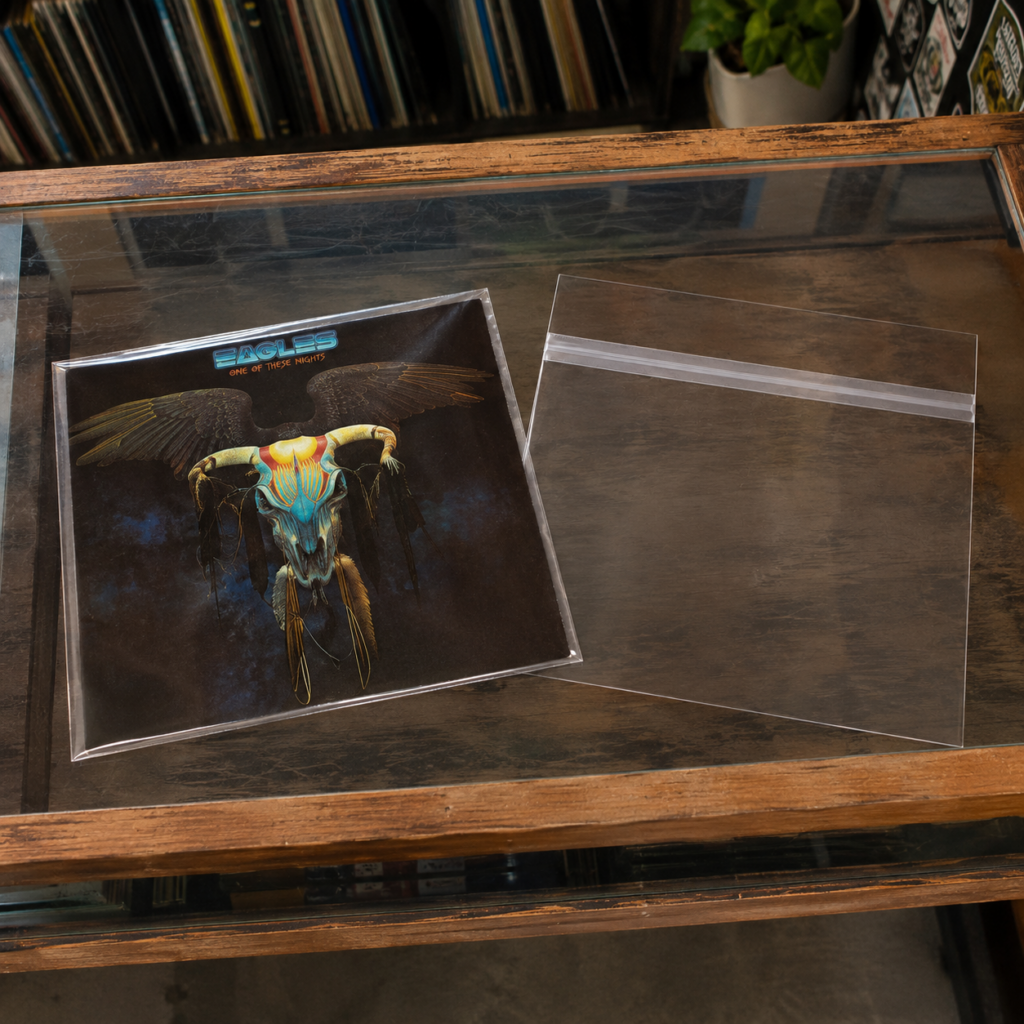
Records require special attention because both the vinyl and album jacket can be damaged during shipping.
Protect the Record Itself
Vinyl should be stored in quality inner sleeves that reduce dust, scratches, and static buildup.
Many collectors prefer:
- Polypropylene inner sleeves
- Poly-lined paper sleeves
- Anti-static record sleeves
These materials help preserve audio quality and protect the record surface.
Protect the Album Jacket
Outer record sleeves provide a protective barrier against:
- Dust
- Moisture
- Shelf wear
- Scratches
Crystal-clear archival sleeves are especially popular because they protect artwork while maintaining visibility.
Prevent Warping During Transit
Records should remain flat and supported throughout shipping.
Avoid:
- Excessive heat exposure
- Overpacking
- Loose packaging that allows movement
Rigid mailers and protective inserts help maintain structural support during transport.
Best Practices for Shipping Comic Books

Comic books are particularly vulnerable to bends, creases, spine stress, and corner damage.
Bag and Board Every Comic
Before shipping, comics should be placed inside protective comic bags paired with backing boards.
This combination helps:
- Maintain shape
- Prevent bending
- Reduce handling damage
- Protect covers from moisture and dirt
Use Rigid Protection for Valuable Comics
High-value comics benefit from additional protection using rigid holders or comic top loaders. These rigid enclosures help prevent crushing and corner damage during transit.
Avoid Adhesive Contact
Protective comic bags with adhesive closures positioned on the bag rather than the flap help prevent accidental contact with comic covers during insertion and removal.
Choose Archival-Safe Materials
Clear polypropylene and BOPP materials are popular among collectors because they offer excellent clarity and long-term protection.
How to Ship Coins and Currency
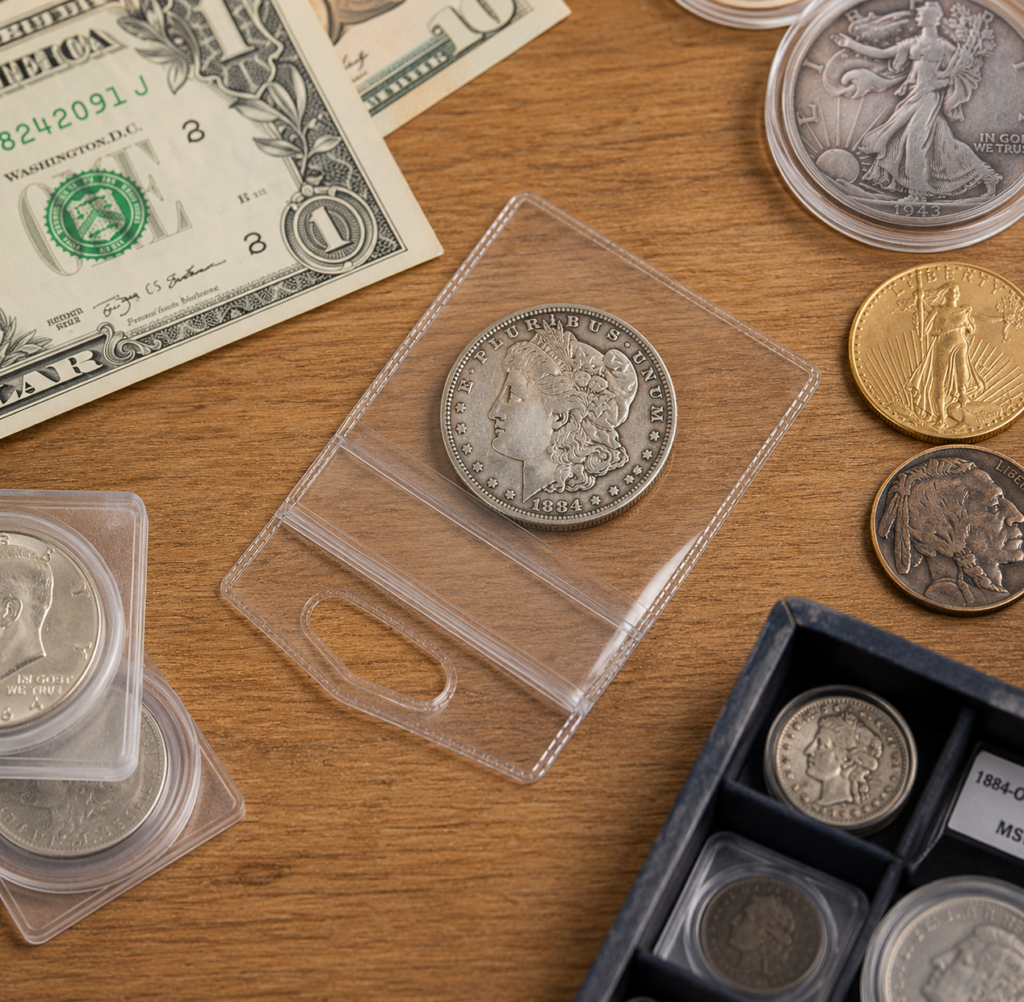
Collectors and numismatists expect coins and paper currency to arrive in pristine condition.
Protect Individual Pieces
Each item should be packaged separately whenever possible.
Options include:
- Coin capsules
- Protective holders
- Archival sleeves
- Small protective envelopes
Individual protection minimizes contact and abrasion during transit.
Prevent Surface Damage
Coins are especially susceptible to scratches and fingerprints. Always handle collectible coins carefully and avoid allowing pieces to rub against one another during shipment.
Secure Small Items
Because coins and currency are compact, they can easily shift within larger packages. Use appropriately sized holders, sleeves, or pouches that keep contents secure while preventing movement.
Shipping Books and Collectible Publications
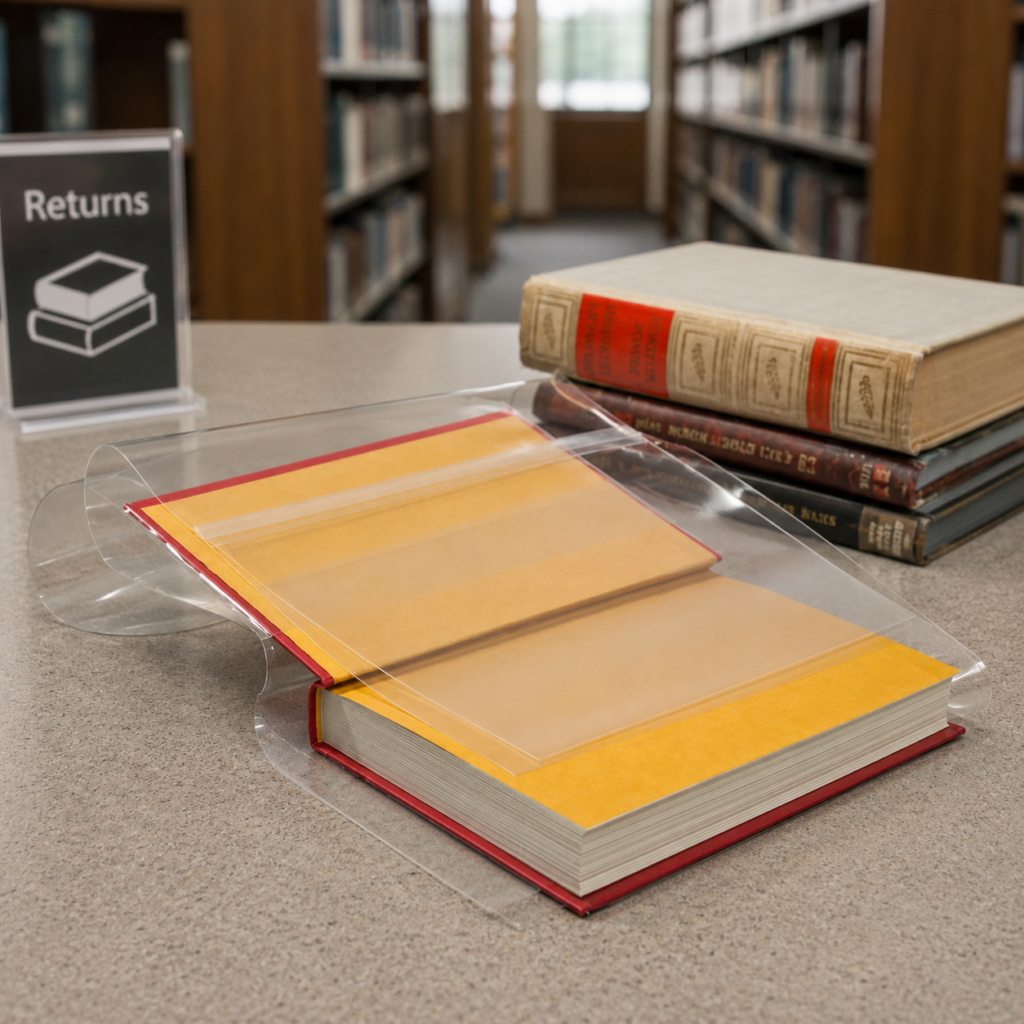
Books can suffer from bent corners, torn dust jackets, scuffed covers, and moisture damage during shipping.
Use Protective Book Covers
Clear book sleeves provide an additional barrier against:
- Dirt
- Moisture
- Dust
- Handling wear
This is especially useful for signed books, rare editions, and collectible publications.
Support Corners and Edges
Many shipping-related book damages occur at corners. Using properly sized packaging and minimizing movement helps reduce stress on vulnerable edges.
Add Rigid Support
For valuable books, adding a rigid backing or protective enclosure provides additional protection against bending and crushing.
Shipping Photos, Prints, and Paper Collectibles
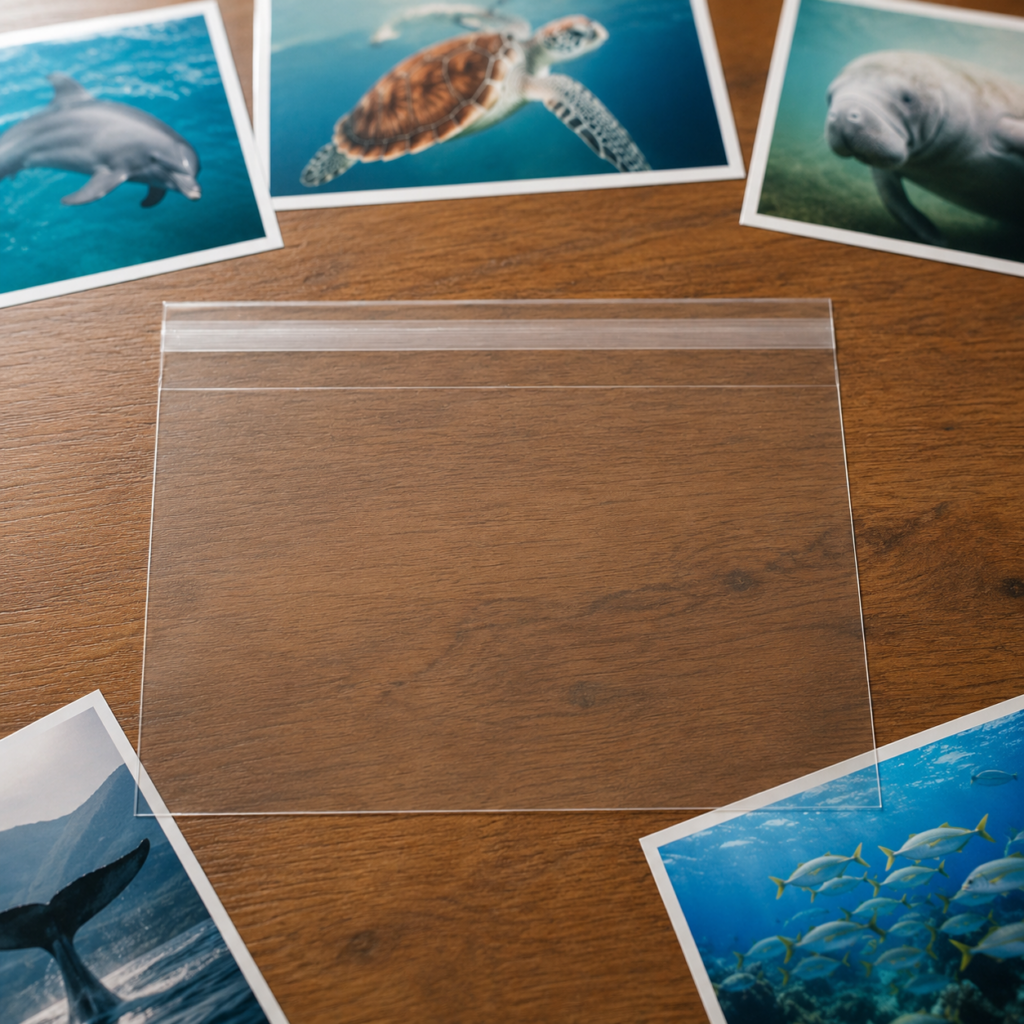
Photographs, artwork, postcards, and historical documents require careful handling because paper damage is often permanent.
Use Archival Sleeves
Protective sleeves made from archival-safe materials help prevent:
- Fingerprints
- Dust
- Surface scratches
- Moisture exposure
Add Structural Support
Paper collectibles should be shipped with rigid backing materials to prevent folding and bending.
Avoid Excessive Pressure
Overpacking can cause creasing or indentation damage. Protective packaging should stabilize items without applying excessive force.
Product Recommendations for Shipping Collectibles
The ideal packaging depends on the item being shipped, but several product categories consistently perform well for collectible protection.
Records
Recommended packaging categories:
- Inner record sleeves
- Outer album sleeves
- Protective record mailers
- Archival-safe storage sleeves
Comic Books
Recommended packaging categories:
- Comic book sleeves
- Backing boards
- Comic book top loaders
- Protective comic mailers
Coins and Currency
Recommended packaging categories:
- Coin holders
- Archival currency sleeves
- Protective pouches
- Glassine envelopes
Books
Recommended packaging categories:
- Clear book covers
- Protective book sleeves
- Rigid shipping supports
Photos and Documents
Recommended packaging categories:
- Archival sleeves
- Protective document holders
- Rigid mailers
- Acid-free storage materials
Packaging Materials That Help Preserve Collectibles
When selecting packaging materials, archival-safe options provide the best combination of protection and long-term preservation.
PP (Polypropylene)
Polypropylene offers:
- Excellent clarity
- Archival-safe protection
- Durability
- Resistance to wrinkling and tearing
BOPP (Biaxially Oriented Polypropylene)
BOPP is frequently used for collectible packaging because it provides exceptional clarity and rigidity while maintaining archival-safe properties.
PET (Polyethylene Terephthalate/Polyester)
PET is often used for rigid display and protective packaging due to its transparency and strength.
Glassine
Glassine envelopes remain a popular option for stamps, coins, ephemera, and paper collectibles because they are lightweight, protective, and easy to organize.
Protect Value Beyond the Sale
Collectibles often carry financial, historical, and sentimental value. Whether you’re shipping a vintage record, rare comic book, collectible coin, signed book, or treasured photograph, proper packaging is one of the most important investments you can make.
By combining archival-safe materials, rigid support, moisture protection, and secure shipping practices, businesses and collectors can significantly reduce the risk of transit damage.
The right packaging protects the value, story, and collectibility of every item inside.
Frequently Asked Questions
What is the best way to ship comic books?
Most collectors recommend placing comics in archival-safe comic bags with backing boards, then adding rigid protection such as a comic top loader or sturdy mailer.
How should vinyl records be packaged for shipping?
Records should be protected with quality inner sleeves, outer album sleeves, and rigid shipping mailers that prevent bending and warping.
What packaging is best for shipping collectible coins?
Coin capsules, protective holders, archival sleeves, and secure pouches help prevent scratches, fingerprints, and movement during transit.
Are polypropylene bags safe for collectibles?
Yes. Polypropylene is widely used for collectible packaging because it provides excellent clarity and archival-safe protection.
Why is archival-safe packaging important?
Archival-safe materials help protect collectibles from chemical deterioration, discoloration, moisture, and long-term damage, making them ideal for both storage and shipping.
