
Commercial vs. Home Compostable Packaging: Which Sustainable Solution Is Right for Your Business?
Last Updated on August 25, 2026 by Kira Andrus
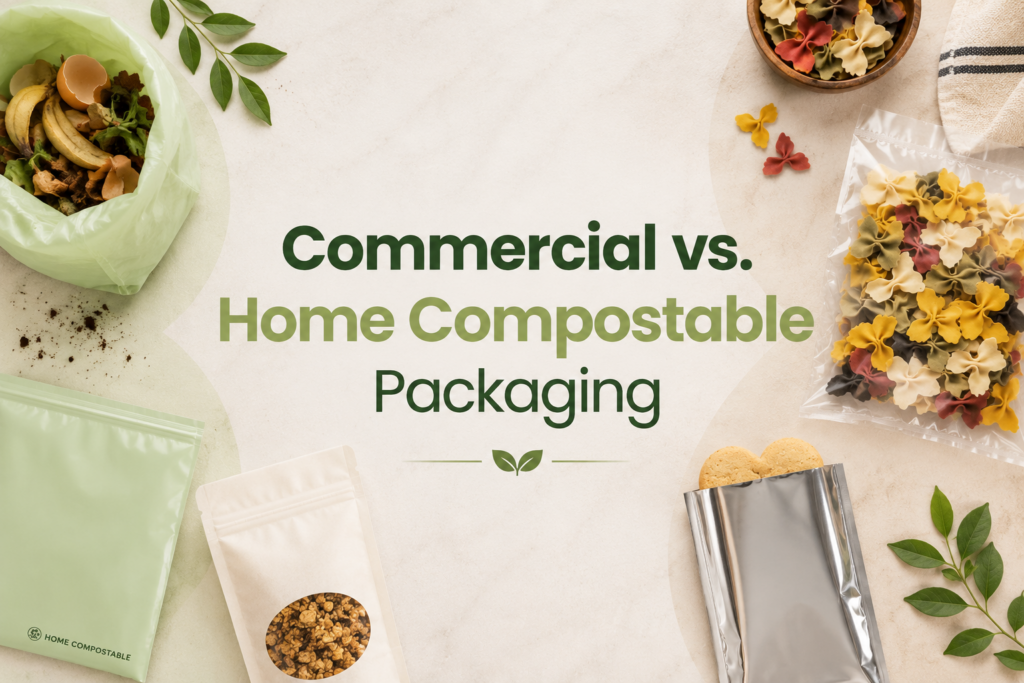
As businesses work to reduce waste and meet growing consumer demand for sustainable products, compostable packaging has become one of the fastest-growing packaging categories. However, many people are still confused about the difference between commercial compostable and home compostable packaging.
Both options offer environmental benefits and can help divert waste from landfills, but they serve different purposes and require different disposal systems.
Understanding how each material works, where it performs best, and how to communicate proper disposal instructions can help businesses make smarter sustainability decisions while avoiding common misconceptions.
What Is Compostable Packaging?
Compostable packaging is designed to break down into natural elements through biological processes, leaving behind no toxic residues. Unlike conventional plastics, compostable materials are typically made from renewable resources such as cornstarch, sugarcane, cellulose, or other plant-based materials.
When composted properly, these materials become nutrient-rich compost that can support soil health and agricultural systems.
However, not all compostable packaging breaks down under the same conditions.
The two primary categories are:
- Commercially compostable packaging
- Home compostable packaging
Understanding the difference is essential for both businesses and consumers.
What Is Commercially Compostable Packaging?
Commercially compostable packaging is designed to break down in industrial composting facilities that maintain carefully controlled temperatures, moisture levels, oxygen levels, and microbial activity.
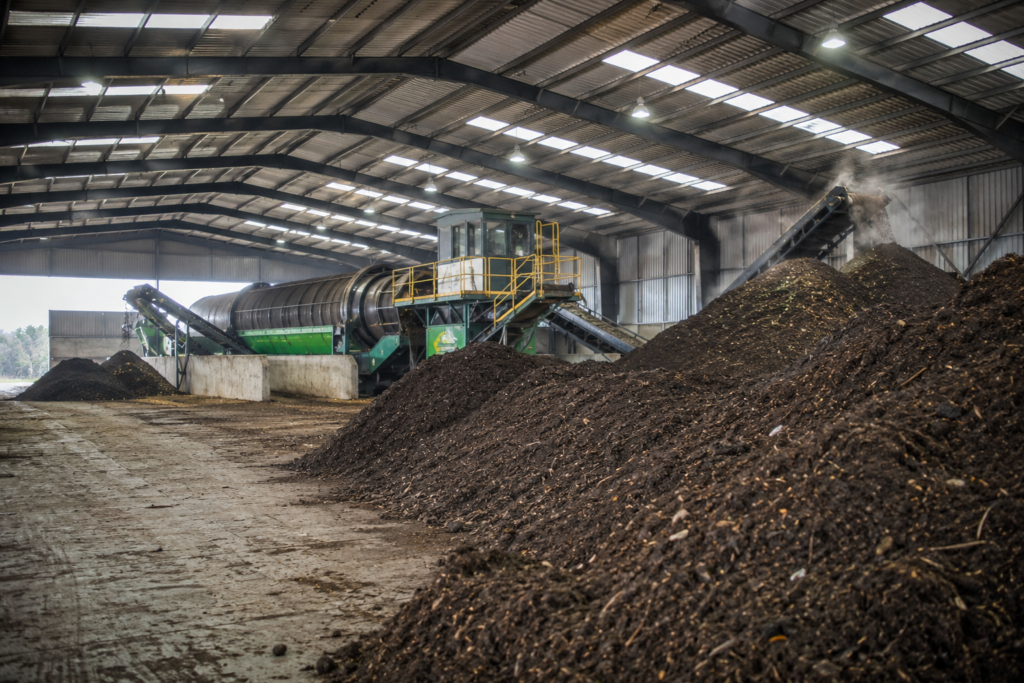
These facilities operate at much higher temperatures than backyard compost piles, allowing materials such as PLA (polylactic acid) and other compostable bioplastics to decompose efficiently.
Benefits of Commercially Compostable Packaging
Supports Food Waste Diversion
One of the biggest advantages of commercially compostable packaging is its ability to work alongside food waste recovery systems.
Food scraps and food-soiled packaging can often be collected together, reducing contamination and increasing participation in composting programs.
Reduces Landfill Waste
Food waste remains one of the largest components of landfill material in the United States. Compostable packaging can help divert both food waste and packaging from landfills when proper collection systems are available.
Helps Reduce Methane Emissions
Organic materials that decompose in landfills often generate methane, a greenhouse gas significantly more potent than carbon dioxide. Composting converts organic waste into usable compost rather than allowing it to decompose anaerobically in a landfill.
Supports Circular Systems
Commercial composting transforms organic waste into a valuable soil amendment that can improve soil quality, water retention, and agricultural productivity.
Best Applications for Commercially Compostable Packaging
Commercially compostable packaging is often ideal for:
- Restaurants and food service operations
- Produce packaging
- Bakery packaging
- Catering and event packaging
- Universities and institutions with composting programs
- Stadiums, venues, and cafeterias
- Food products likely to create packaging contamination

For food-soiled packaging that would otherwise be difficult to recycle, compostable materials can offer a practical end-of-life solution.
What Is Home Compostable Packaging?
Home compostable packaging is designed to break down in backyard compost systems without requiring industrial processing.
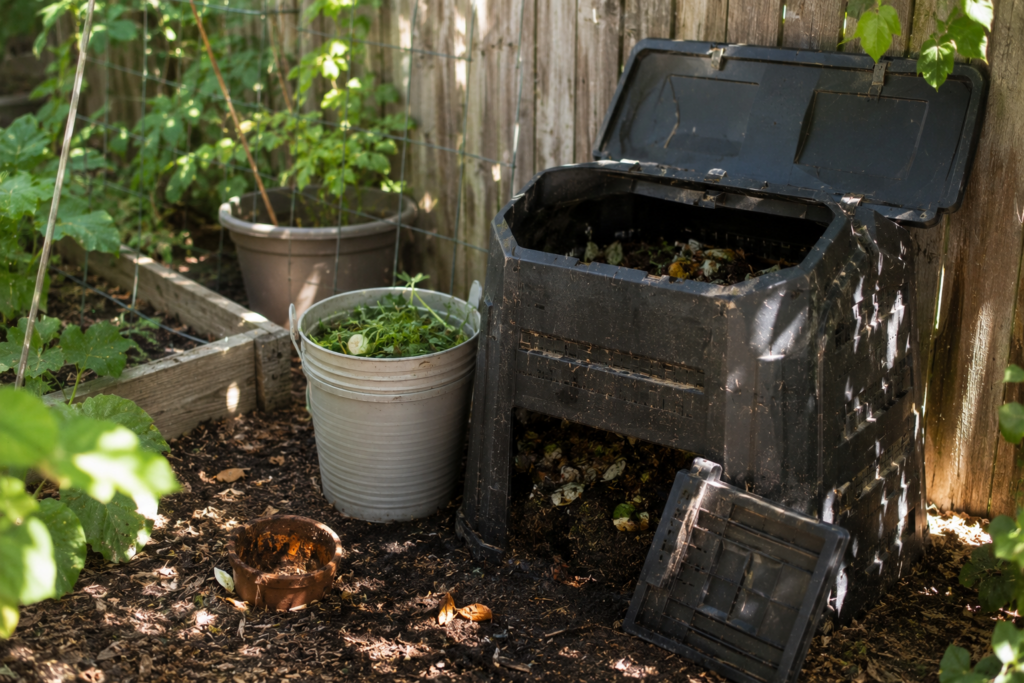
These materials are tested under lower-temperature conditions and must decompose effectively within typical residential compost environments.
Benefits of Home Compostable Packaging
Greater Consumer Accessibility
Unlike industrial composting, home composting does not require specialized infrastructure. Consumers can compost packaging directly in their backyard compost systems.
Supports Local Sustainability Efforts
Home composting encourages consumers to participate directly in waste reduction and soil-building practices.
Renewable Resource Use
Most home compostable materials are made from renewable plant-based resources rather than fossil fuels.
Reduced Dependence on Municipal Infrastructure
Home compostable packaging can provide an alternative in regions where commercial composting facilities are unavailable.
Best Applications for Home Compostable Packaging
Home compostable packaging is particularly well-suited for:
- Farmers market products
- Organic foods
- Gardening products
- Seeds and plant-related products
- Eco-conscious direct-to-consumer brands
- Subscription boxes with sustainability-focused audiences
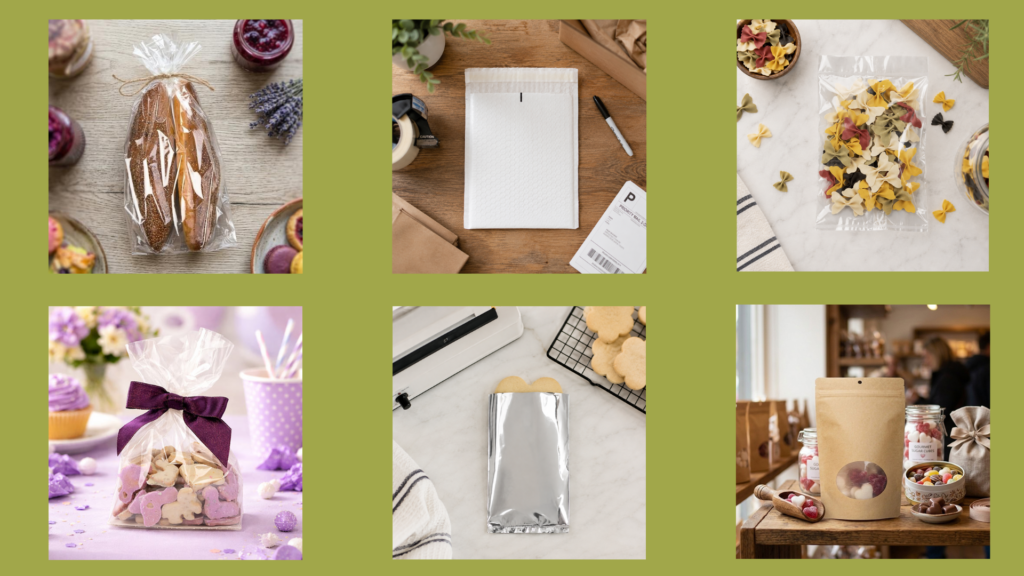
For brands whose customers are already engaged in composting, home compostable packaging can be a highly attractive sustainability feature.
Commercial Compostable vs. Home Compostable Packaging
While both materials are designed to return nutrients to the earth, their intended recovery systems differ significantly.
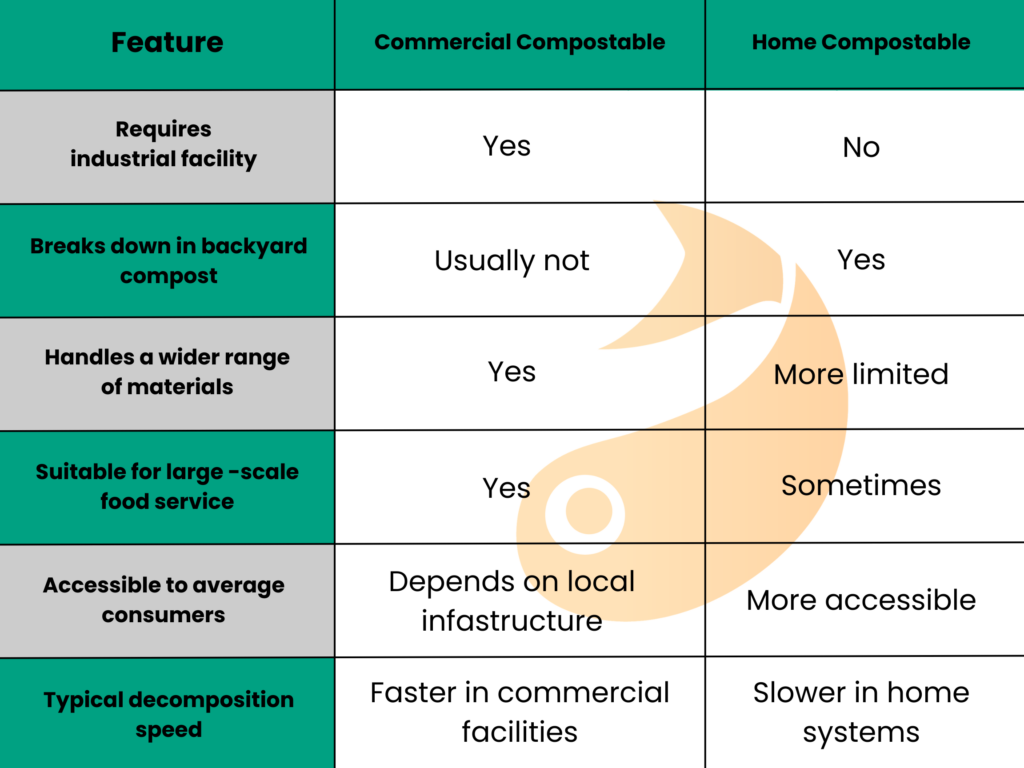
Neither option is inherently better. The best choice depends on your customers, products, and local waste management infrastructure.
The Biggest Challenge: Consumer Education
One of the largest barriers to compostable packaging success is confusion.
Consumers often assume:
- Compostable means recyclable
- Compostable means biodegradable anywhere
- Compostable packaging will disappear if littered
- Home compostable and commercial compostable mean the same thing
None of these assumptions are necessarily true.
Even the most sustainable packaging can fail to achieve its intended environmental benefits if consumers don’t know how to dispose of it properly.
How Brands Can Market Compostable Packaging Responsibly
Clearly Identify the Composting Method
Don’t simply label packaging as “compostable.”
Specify whether it is:
- Commercially compostable
- Home compostable
This helps consumers understand what actions are required.
Use Recognized Certifications
Third-party certifications build credibility and reduce confusion.
Examples include:
Certifications help validate environmental claims and increase consumer trust.
Provide Disposal Instructions
Consider adding clear messaging such as:
- “Commercially compostable where facilities exist.”
- “OK to home compost.”
- “Suitable for home compost systems.”
Simple instructions significantly improve proper disposal rates.
Educate Through Digital Channels
Brands can use:
- Product pages
- QR codes
- Blog content
- Social media
- Email campaigns
to explain how compostable packaging works and why it matters.
Focus on the Full Sustainability Story
Rather than simply claiming a package is compostable, explain the broader environmental benefits:
- Diverting food waste from landfills
- Supporting compost production
- Reducing methane emissions
- Using renewable materials
- Contributing to healthier soils
Consumers are increasingly interested in understanding the “why” behind sustainability claims.
Is Compostable Packaging the Right Choice for Your Business?
Compostable packaging can be an excellent solution for brands looking to reduce environmental impact, particularly when packaging food products or serving environmentally conscious customers.
However, successful implementation requires more than selecting a compostable material. Businesses should also consider:
- Product protection requirements
- Shelf-life needs
- Available composting infrastructure
- Customer behavior
- Disposal education
- Sustainability goals
The most effective compostable packaging programs combine material innovation with consumer education to ensure packaging is recovered as intended.
Compostable Packaging Solutions from ClearBags
ClearBags offers a growing selection of compostable packaging solutions designed to help businesses reduce waste while maintaining product protection and presentation.
Whether you’re packaging fresh produce, baked goods, snacks, gifts, or retail products, choosing the right compostable packaging can help support both your sustainability initiatives and your customers’ environmental values.
By understanding the differences between commercial and home compostable packaging—and clearly communicating those differences to consumers—you can build trust, reduce confusion, and create a more successful sustainability program.
Frequently Asked Questions
What is the difference between commercial and home compostable packaging?
Commercial compostable packaging requires industrial composting facilities with controlled conditions, while home compostable packaging is designed to break down in backyard compost systems.
Is home compostable packaging better than commercial compostable packaging?
Not necessarily. The best option depends on your customers and local infrastructure. Home compostable packaging offers greater accessibility, while commercial compostable packaging often supports more demanding food service applications.
Can commercially compostable packaging be composted at home?
Most commercially compostable packaging will not break down effectively in a typical backyard compost pile because it requires higher temperatures found in industrial facilities.
How should businesses label compostable packaging?
Businesses should clearly identify whether packaging is commercially compostable or home compostable and include disposal instructions whenever possible.
Why is consumer education important for compostable packaging?
Many consumers misunderstand compostability. Clear education helps ensure packaging is disposed of correctly and delivers its intended environmental benefits.
