
The Best Cosmetic Packaging Solutions for Your Makeup Business
Last Updated on March 5, 2026 by Kira Andrus
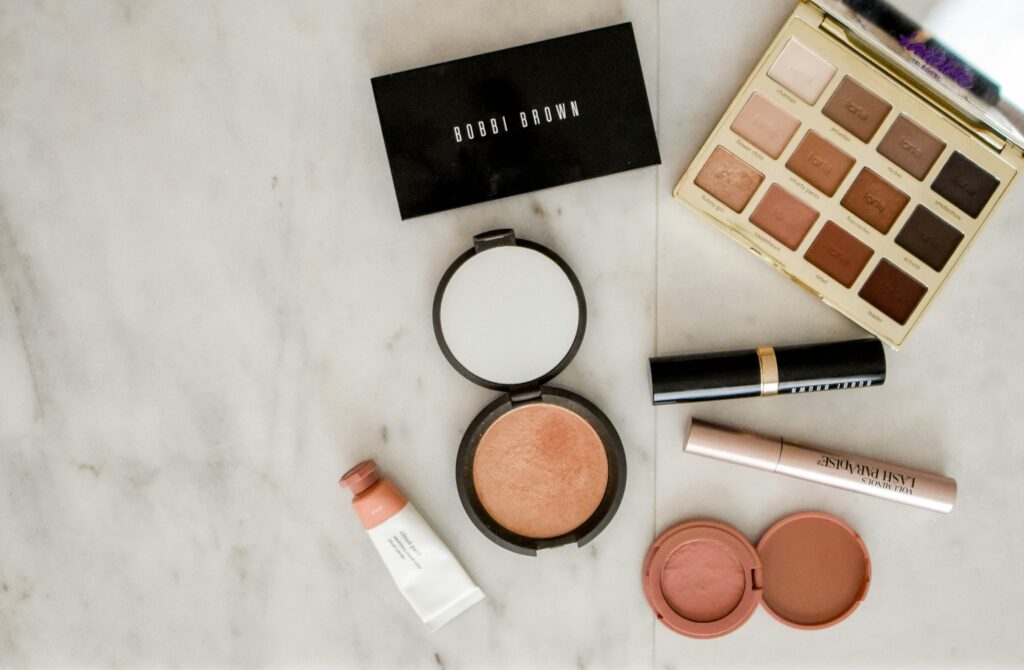
Cosmetics cover a wide range of products—from skincare creams and lotions to perfumes and nail polishes. Growing demand, fueled by a youthful consumer base, innovative packaging, and shifting trends, is driving growth in the cosmetic packaging industry.
Looking into the start of 2026, consumers are seeking products that make them feel good and reflect their individuality. Brands that use technology to amplify creativity—rather than automate it—will lead the way, creating beauty experiences that are human, emotionally resonant, and deeply engaging.
In this blog, we will discuss what to consider when choosing cosmetic packaging, material options for packaging cosmetics, and customizations and branding opportunities.
What Is the Brand Identity?
Like all packaging, cosmetic packaging serves a dual purpose: protecting the product and communicating the essence of the brand. In the beauty industry, that storytelling element is especially powerful. Consumers tend to form strong emotional connections with the brands they trust, and packaging often provides the first and most lasting impression.
About 73% of cosmetic purchases are made at the point of sale, making packaging design a critical factor in consumer decisions. On a retail shelf, packaging is the primary way a brand communicates its identity, attracts attention, and conveys quality. Effective design—through color, shape, imagery, materials, and usability—helps products stand out, reinforces brand perception, and influences consumers’ buying choices.
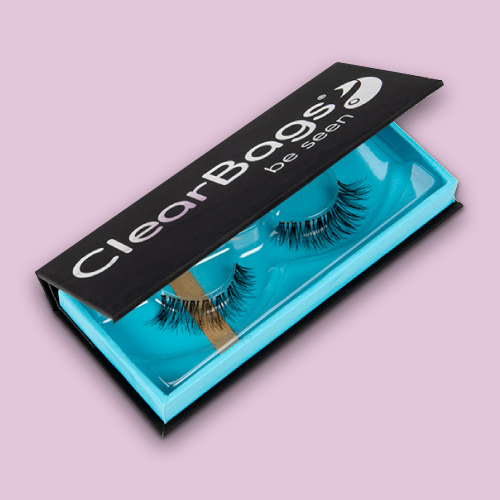
Once consumers have a positive first experience, the packaging continues to influence their perception. Functional features—like easy dispensing, sturdy materials, and refillable formats—add convenience and satisfaction. Loyalty in cosmetics goes beyond great product performance. It’s shaped by authenticity, personalization, and shared values like sustainability and transparency. Today’s leading beauty consumers—Millennials and Gen Z—care deeply about what a brand stands for. They’re willing to pay more for products from ethical, sustainable companies and are more likely to support brands that are open about their beliefs and origins. When packaging reflects those priorities, it doesn’t just catch attention—it earns loyalty.
How Is the Product Protected?
Cosmetic formulas must be protected from light, air, and contamination. Many of skincare’s most effective ingredients—like vitamin C, retinol, and antioxidants—quickly degrade when exposed to oxygen or light, reducing potency over time. Clear packaging allows daylight to penetrate, which can further destabilize formulas even during regular use. For brands working with delicate actives, packaging that limits air and light exposure is essential to preserve performance and build consumer trust.
Plant-based antioxidants and emulsions are also prone to oxidation, especially when exposed to air, light, or heat. This can cause rancid odors, reduce skin benefits, and compromise overall product quality.
Bio-based materials such as PLA, PHA, and cellulose-based polymers offer comparable strength and flexibility to conventional plastics while protecting sensitive formulations. Additives like bamboo fibers or adjusted polypropylene blends can enhance stability and reduce cracking. PLA performs well for trays, bottles, and cups, though its brittleness and lower moisture barrier mean it’s best suited for less moisture-sensitive products.
How Eco-Friendly Are the Materials and Designs?
Sustainability has become essential for cosmetic brands aiming to compete in today’s market. Consumers expect products that perform well, look appealing, and minimize environmental impact. The growing demand for natural and organic cosmetics—driven by social media and heightened awareness—has pushed brands to adopt transparent, ethical, and eco-friendly practices. Many shoppers now favor companies that reflect their values and use recyclable or biodegradable packaging; in fact, 85% are willing to pay more for products with proven results, natural ingredients, and clear labeling.
Eco-conscious consumers reward brands that prioritize sustainability with greater loyalty and advocacy. Beyond building trust, sustainable packaging helps reduce waste, lower emissions, and conserve resources. Governments are also tightening plastic regulations, making early adoption of sustainable materials a proactive way to avoid compliance risks.
While transitioning to sustainable packaging can involve higher upfront costs, it offers long-term advantages—such as lower shipping expenses from lighter materials and a stronger environmental reputation. Recycled, recyclable, and biodegradable designs not only align with Extended Producer Responsibility (EPR) principles but also signal authenticity and responsibility, helping brands stand out in a competitive beauty market.
How Does the Packaging Meet Regulatory Compliance?
When considering packaging for cosmetics, businesses must take into account the FDA regulations and labeling. The FDA, under the Federal Food, Drug, and Cosmetic Act (FD&C Act), has specific guidelines for tamper-resistant requirements on specific cosmetic packaging (e.g. mouthwash). While not mandated for all cosmetics, it is highly recommended for many others, such as moisturizers, lotions and eye makeup, due to the risk of contamination and counterfeiting. Per the guidelines, packages must include a visible indicator or barrier (e.g. shrink band, heat sealed pouch, breakable cap, adhesive strips) that signals if the product has been opened or compromised. Tamper-resistant features may be applied to the primary container, outer packaging, or both. Each package must display a prominent statement alerting consumers to the tamper-resistant feature. This statement must remain clear even if the tamper-resistant feature is breached or missing.
Cosmetic packaging meets regulatory compliance by incorporating both required labeling and safety features. In addition to tamper-resistant elements, all cosmetics packaging must include clear ingredient declarations and any necessary warning statements. Products intended for retail sale list all ingredients as required, while those that could pose risks if misused carry prominent warnings and directions for safe use. These statements are designed to be clear and conspicuous, ensuring full compliance with cosmetic labeling regulations and consumer safety standards. Compliance can be achieved through a variety of packaging solutions, including custom-printed designs or adhesive labels applied to tamper-resistant packaging options.
What Are Some Material Options for Cosmetic Packaging?
Choosing the right packaging materials is critical for both product protection and brand perception. Cosmetic packaging must guard against natural elements like sunlight and moisture, as well as human-made contaminants introduced during use. Manufacturers have a variety of materials to address these challenges while balancing durability, visual appeal, and regulatory compliance.
Sensitive ingredients such as vitamins A and C and natural oils can degrade when exposed to light and air, making material selection essential. Aluminum offers a fully recyclable barrier against light and air, while opaque plastics like High-Density Polyethylene (HDPE) and Polypropylene (PP) protect products from light, oxygen, and contamination. PET is ideal when transparency is desired, and foil-lined closures or opaque materials provide extra protection for formulas prone to oxidation or UV damage.
Plastic and polymer-based packaging is lightweight, cost-effective, and resistant to light and moisture, while innovations like active biofilms and biodegradable materials (e.g., polyvinyl alcohol) help reduce waste. Paperboard and compostable options allow for sustainable, customizable outer packaging that supports brand values and evolving regulations.
When selecting materials, manufacturers must consider durability for shipping and daily use, shelf appeal to reflect brand positioning, regulatory compliance for labeling and tamper evidence, and sustainability to meet growing consumer expectations. Careful evaluation ensures packaging not only safeguards products but also enhances the customer experience and reinforces brand identity.
What Branding Opportunities Should I Consider?
On a crowded shelf, visual impact is everything. Effective cosmetic packaging captures attention through distinctive design, balanced labeling, and strong brand cues. Unique shapes, tactile finishes, and cohesive color palettes make products recognizable and memorable, driving both trial and brand recall.
Labels play a critical role by conveying ingredients, usage, and certifications. Clear, well-designed labels build trust and reinforce brand values like natural, vegan, or cruelty-free positioning.
Material choice is equally important. PET offers clarity, HDPE adds opacity and a premium feel, and PP provides strength and versatility. Selecting the right base material early can reduce the need for costly coatings. Finishes such as metallic foils, embossing, or frosted plastics elevate standard packaging without the expense of glass or metal.
Luxury appeal can be achieved through minimalist color schemes, textured details, or transparent elements that showcase the product. Collaborating with cosmetic packaging suppliers on hybrid materials or smart finishes helps brands balance aesthetics, function, and cost.
Build a Standout Brand with the Right Cosmetic Packaging
Packaging is often the first point of contact between a brand and a potential customer. The colors, materials, typography, and overall design immediately communicate the brand’s identity and values. A sleek, high-quality package signals professionalism and luxury, while minimalist or eco-friendly designs convey sustainability and transparency. In just seconds, packaging can determine whether a shopper picks up the product or passes it by.
However, successful cosmetic packaging relies on more than looks alone. Functional design ensures products hold up in transit, remain protected, and provide a satisfying user experience. Features like tamper-resistant protection, resealable closures, recyclable materials, and durable construction transform attractive packaging into trusted packaging that enhances both usability and brand perception. By thoughtfully combining aesthetics and function, brands can create packaging that captures attention, builds trust, protects the product, and reinforces long-term loyalty.
