
Sustainable Packaging: What’s New & What You Should Know
Last Updated on April 20, 2026 by Kira Andrus
Sustainable packaging is no longer optional—it’s a core part of doing business. As we continue into the second quarter of 2026, brands are looking for sustainable packaging solutions that balance performance, compliance, and environmental responsibility.
This guide highlights the most important trends shaping sustainable packaging, with real-world considerations for sustainable product packaging and sustainable food packaging.
1. Sustainability Starts With Right-Sizing
Oversized packaging increases waste, shipping costs, and emissions. By choosing packaging that closely fits your product, businesses can reduce packaging, minimize void fill, and lower shipping weight—making right-sizing one of the most cost effective sustainability improvements available.
Best practices for 2026:
- Choose packaging that fits your product
- Reduce excess void fill
- Use flexible materials when appropriate
Right-sizing is one of the simplest sustainable packaging solutions businesses can implement.
2. Recyclability Remains the Top Priority
Recyclability continues to be the most influential factor in sustainable packaging decisions. Focusing on recyclable, mono-material packaging helps brands meet customer expectations while improving the likelihood that packaging actually stays within the recycling stream.
What to focus on:
- Mono-material sustainable product packaging
- Easy-to-understand recycling instructions
- Avoid hard-to-separate material combinations
If customers can’t recycle it easily, it undermines your sustainability goals.
3. Recycled Content Is Becoming the Standard
Post-consumer recycled (PCR) content is now expected—not a bonus. Using PCR reduces reliance on virgin plastic and supports circular packaging goals. In recent years, average PCR content in plastic packaging has increased significantly, driven by corporate sustainability commitments, expanded recycling infrastructure, and emerging EPR regulations.
In 2026, look for:
- Bags and mailers crafted from recycled materials
- rPET and PCR plastic boxes and mailers that give new life to post-consumer waste
- Clear labeling of recycled content for full transparency
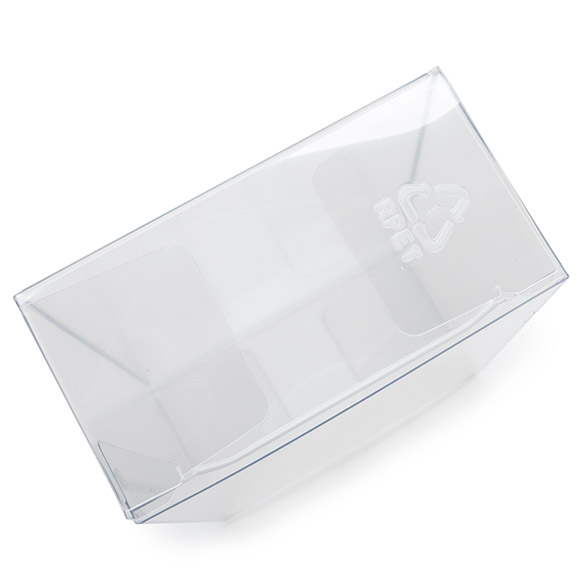
Using PCR supports circular, economy-focused sustainable packaging solutions.
4. Compostable Packaging Has a Specific Role
Compostable packaging can be an effective sustainable solution when used in the right applications. These materials are designed to break down in home or commercial composting environments, making them best suited for food, organic products, and customers who have access to proper composting options.
Best used for:
- Sustainable food packaging and organic products
- Controlled composting environments
- Customers with access to composting facilities
Compostable packaging works best when disposal options are clear.
5. Lightweight Packaging Lowers Environmental Impact
Reducing material weight is a key trend in sustainable product packaging. Lighter packaging requires less material to produce and reduces fuel consumption during shipping, helping to lower your brand’s overall carbon footprint. It also often results in lower shipping costs, making it a win-win for both sustainability and efficiency.
Smart swaps include:
- Poly mailers instead of boxes for soft goods
- Thin, durable films over rigid packaging
- Flexible packaging formats
Lightweight sustainable packaging helps lower transportation emissions.
6. Paper-Based Packaging Continues to Grow
Paper remains a popular choice for sustainable packaging when sourced responsibly. Its natural recyclability, versatility, and cost-effectiveness make it a go-to option for many businesses, from retail to food packaging. Paper-based solutions can also support branded packaging design, giving products a clean, premium look while keeping sustainability front of mind.
2026 trends include:
- FSC-certified paper products
- Kraft and glassine bags
- Paper mailers with minimal coatings
Paper-based sustainable packaging solutions balance recyclability and performance.
7. Clear Sustainability Messaging Builds Consumer Trust
Customers expect transparency when it comes to sustainable packaging. Clear labeling and honest claims about recyclability, compostability, or recycled content help build trust and encourage proper disposal, making sustainability both understandable and actionable for your audience.
Best practices:
- Clearly label sustainable food packaging and product packaging
- Avoid vague or misleading language
- Educate customers on proper disposal
Clear communication prevents greenwashing and builds loyalty.
8. Reusable Packaging Gains Momentum in Select Markets
Reusable packaging is becoming an increasingly popular sustainable option in niche markets. Many flexible packaging formats, like resealable stand-up pouches and sliding zipper bags, are designed for repeated use, helping businesses reduce waste while keeping products fresh. Offering reusable options can also enhance the customer experience and reinforce your brand’s commitment to sustainability.
Ideal for:
- Subscription services
- B2B and closed-loop shipping programs
- Durable sustainable product packaging
While not universal, reuse can significantly reduce waste when implemented correctly.
9. Regulations Will Continue to Shape Packaging Choices
Sustainability regulations are expanding globally, and businesses need to stay ahead of the changes. Understanding local recycling and EPR requirements can help you choose compliant packaging, work with the right partners, and avoid costly disruptions. Staying informed ensures your sustainable packaging strategy is both effective and future-proof.
Businesses should prepare for:
- Extended Producer Responsibility (EPR) programs
- Material restrictions and reporting requirements
- Labeling compliance for sustainable food packaging
Proactive planning helps build forward compatible packaging.
10. Sustainability and Branding Go Hand in Hand
Eco-friendly packaging can still look premium and reinforce your brand. Thoughtful design—like clean layouts, natural textures, and high-clarity materials—lets your products shine while communicating your commitment to sustainability. Packaging that looks good and is responsibly made strengthens customer trust and encourages repeat business.
In 2026, brands are focusing on:
- Minimalist designs
- Natural textures and finishes
- Packaging that visually communicates sustainability
Well-designed sustainable packaging solutions reinforce brand values at first glance.
Final Thoughts
Sustainable packaging in 2026 is about thoughtful decision-making—balancing protection, performance, and environmental responsibility. Whether you’re evaluating sustainable product packaging or exploring sustainable food packaging, the right materials and messaging can make a measurable impact.
ClearBags remains committed to offering practical, high-quality sustainable packaging solutions that help businesses protect their products, meet sustainability goals, and grow with confidence.
