
How to Prevent Condensation in Food Packaging (And Why It Matters)
Last Updated on June 12, 2026 by Kira Andrus
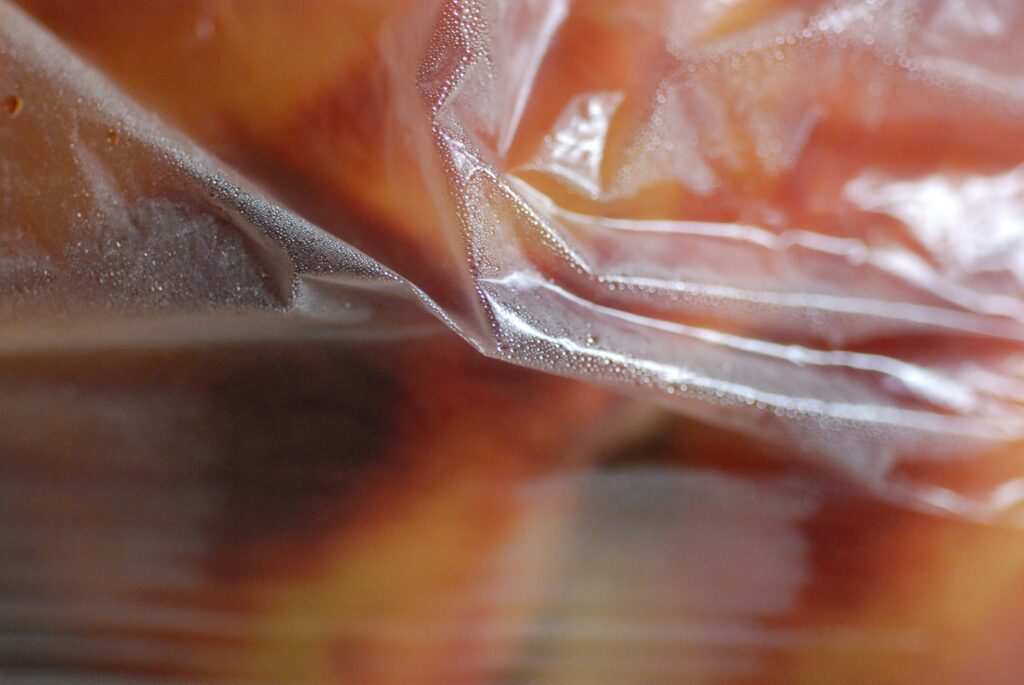
Condensation inside food packaging can quietly damage product quality long before customers ever open the package. Excess moisture can impact freshness, shorten shelf life, affect texture, and create appearance issues that make products look less appealing on store shelves. In some cases, moisture buildup can even contribute to mold growth, bacterial risks, and unnecessary food waste.
For businesses in food and beverage packaging, moisture control is an essential part of maintaining product integrity throughout storage, shipping, and retail display. Whether you are packaging baked goods, snacks, produce, jerky, or prepared foods, understanding what causes condensation — and how to prevent it — can help improve both product performance and customer experience.
What Causes Condensation in Food Packaging?
Condensation forms when warm, moisture-heavy air becomes trapped inside packaging and comes into contact with a cooler surface. As the temperature changes, the air can no longer hold the same amount of moisture, causing water vapor to turn into visible droplets inside the package.
Several factors contribute to condensation in food packaging:
Temperature Differences
Packaging warm food immediately after baking or cooking traps steam inside the package. When the steam cools, it condenses into water droplets on the interior surface of the packaging.
Humidity Exposure
Packaging products in humid environments increases the amount of moisture trapped inside the package. Moving products between warm and cold environments can also trigger rapid condensation.
Product Moisture Content
Some food products naturally release moisture over time. Fresh bread, produce, refrigerated foods, and baked goods are especially prone to moisture migration.
Transportation and Storage Conditions
Abrupt temperature changes during shipping or storage can create condensation, especially if products move from warm production environments into refrigerated conditions.
Packaging Material Selection
Not all food packaging bags offer the same moisture barrier performance. Thin materials, poor seals, or punctured packaging can allow unwanted moisture transfer.
Why Condensation in Food Packaging Matters
Moisture buildup affects far more than appearance. It can directly impact product safety, quality, and shelf stability.
Product Spoilage Risks
Excess moisture creates an environment where mold, bacteria, and spoilage organisms can grow more easily.
Reduced Shelf Life
Changes in moisture content accelerate deterioration, reducing the amount of time products remain fresh and sellable.
Texture and Flavor Changes
Condensation can soften crisp foods, dry out baked goods, and alter flavor profiles. Crusty ventbreads may lose their signature texture, while crunchy snacks can become stale or chewy.
Product Appearance Issues
Visible water droplets inside packaging can make products appear old, damaged, or improperly stored, even if they are still technically safe to consume.
Food Safety Concerns
Moisture and temperature fluctuations can increase food safety risks if products are not properly cooled, stored, or sealed.
How to Prevent Condensation in Food Packaging
Preventing condensation starts with controlling both temperature and moisture before products are sealed.
Allow Products to Cool Before Packaging
One of the most effective ways to reduce condensation is allowing products to fully cool before sealing them inside food packaging bags.
For baked goods, wire cooling racks can help air circulate evenly and prevent steam from becoming trapped underneath the product. Hot food should ideally reach room temperature or its intended storage temperature before packaging.
Control Storage Temperatures
Rapid temperature swings increase the likelihood of condensation. Whenever possible, maintain consistent storage and transportation temperatures throughout the supply chain.
Avoid moving packaged products abruptly from warm kitchens into refrigerated or air-conditioned spaces.
Reduce Environmental Humidity Exposure
High-humidity packaging environments increase moisture risks. Dehumidifiers, proper ventilation, and controlled production environments can help reduce excess moisture in the surrounding air.
Use Moisture-Resistant Materials
Selecting the right packaging for food products is critical for moisture control. Barrier films, thicker plastic food packaging, and multi-layer structures help reduce water vapor transfer while protecting products during shipping and handling.
Maintain Consistent Shipping and Storage Conditions
Temperature consistency matters just as much during distribution as it does during packaging. Proper insulation, climate-controlled storage, and careful transportation planning can help reduce condensation throughout the product journey.
Choosing the Right Food Packaging Bags for Moisture Control
The right food packaging bags can help balance moisture protection, breathability, and product presentation.
Barrier Properties
Barrier films help slow moisture transfer between the product and surrounding environment. Products sensitive to humidity often benefit from stronger moisture barriers.
Material Selection
Plastic food packaging remains one of the most effective moisture-control solutions because it limits exposure to air, humidity changes, and outside contaminants.
Breathability Considerations
Some products require airflow rather than a fully airtight seal. Crusty breads and certain baked goods benefit from micro-perforated packaging that allows steam to escape while still protecting the product.
Sealing Methods
Strong seals help prevent unwanted moisture exchange. Heat sealing, vacuum sealing, and airtight closures all improve moisture protection depending on the application.
How Custom Food Packaging Can Improve Product Protection
Custom food packaging allows businesses to tailor packaging performance to specific product needs.
Tailored Material Selection
Different food products require different moisture-control strategies. A bakery packaging fresh sourdough has very different needs than a company packaging dry snack mixes or jerky.
Product-Specific Packaging Designs
Custom structures, perforations, closures, and barrier levels can all be adjusted to support ideal product freshness.
Shelf-Life Optimization Opportunities
Well-designed packaging helps stabilize moisture levels, reduce spoilage risks, and improve shelf life throughout distribution and retail display.
Building Better Packaging for Product Freshness
Condensation may seem like a small issue, but it can have a major impact on product quality, shelf life, and customer perception. Effective food and beverage packaging should protect products not only from physical damage, but also from moisture fluctuations that compromise freshness and appearance.
By controlling temperature exposure, selecting appropriate packaging materials, and designing packaging systems around product-specific moisture needs, businesses can improve packaging performance while helping products stay fresher longer.
Frequently Asked Questions
Why does condensation form inside food packaging?
Condensation forms when warm, moisture-heavy air becomes trapped inside packaging and cools against a colder surface. This causes water vapor to turn into liquid droplets inside the package.
Can condensation shorten food shelf life?
Yes. Excess moisture can accelerate spoilage, impact texture and flavor, encourage mold growth, and reduce overall product stability.
What packaging materials help reduce moisture buildup?
Barrier films, multi-layer packaging structures, thicker plastic food packaging, and properly sealed food packaging bags all help reduce unwanted moisture transfer.
Is plastic food packaging good for moisture protection?
Yes. Plastic food packaging helps limit exposure to humidity, air, and contaminants while supporting product freshness and shelf stability.
How can food manufacturers prevent condensation during shipping?
Manufacturers can reduce condensation by cooling products before packaging, maintaining consistent storage temperatures, minimizing humidity exposure, and using moisture-resistant packaging materials during transport.
