
Cellophane Bags vs. Poly Bags: Which Packaging Option Is Right for Your Business?
Last Updated on August 11, 2026 by Kira Andrus
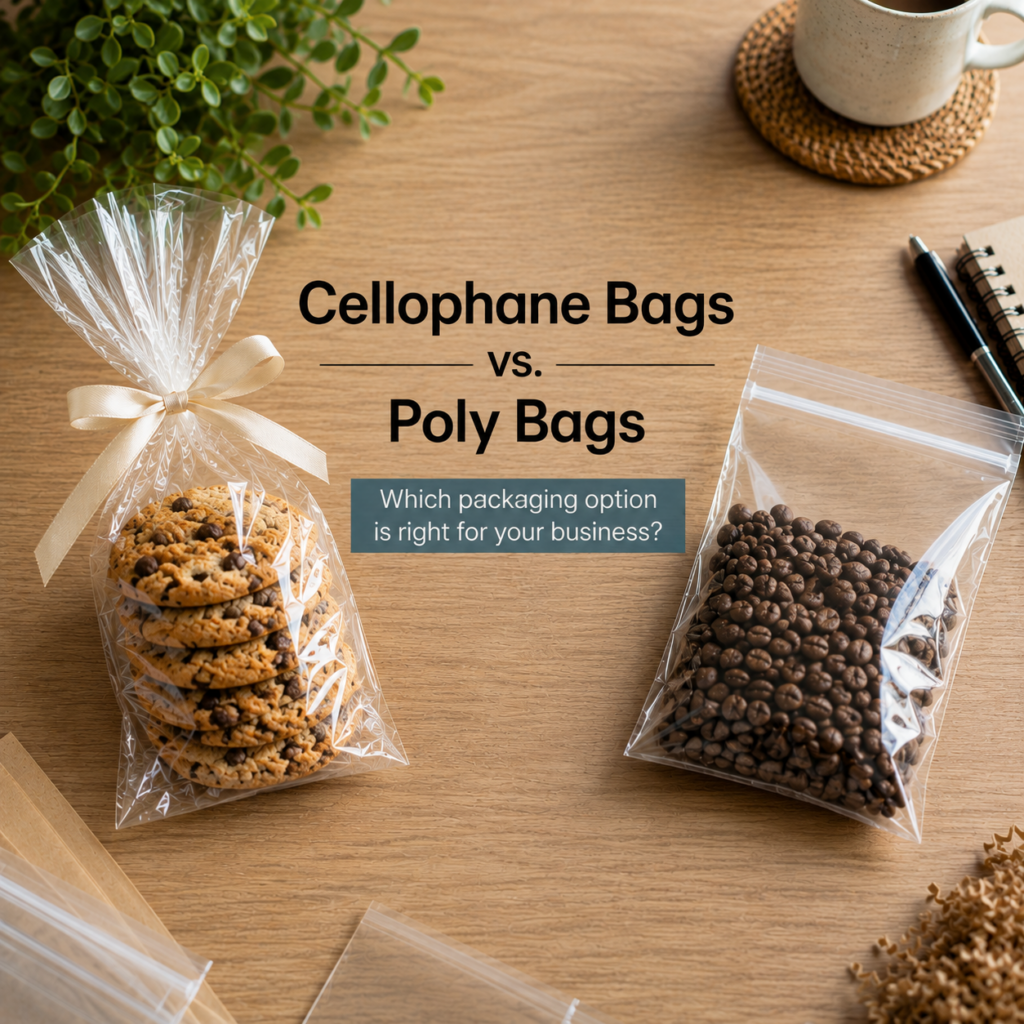
Choosing the right packaging material can impact everything from product presentation and shelf life to shipping performance and sustainability goals. Two of the most commonly used packaging options are cellophane bags and poly bags, but despite their popularity, many businesses are unclear about the differences between them.
Part of the confusion comes from the fact that the term “cello bag” is often used interchangeably with clear polypropylene bags, even though true cellophane and polypropylene are very different materials.
Whether you’re packaging baked goods, retail products, handmade items, or specialty foods, understanding the strengths and limitations of each material can help you choose the best solution for your products and customers.
What Are Cellophane Bags?
Cellophane was one of the first transparent packaging materials ever developed. Made from plant-based cellulose derived from wood pulp, true cellophane offers a distinctive appearance and eco-friendly appeal that many brands appreciate.
What Cellophane Bags Are Made From
Unlike plastic packaging, true cellophane is made from renewable cellulose fibers. Because it is plant-based, cellophane is biodegradable and compostable under appropriate conditions.
Cellophane has a crisp texture, glossy appearance, and the familiar “crinkle” sound many consumers associate with premium gift packaging.
Common Uses for Cellophane Bags
Cellophane bags are commonly used for:
- Gift packaging
- Bakery treats and cookies
- Candy packaging
- Floral arrangements
- Crafts and handmade products
- Eco-conscious product packaging
Because cellophane is breathable, it works well for products that benefit from airflow and are intended for shorter shelf lives.
Why Businesses Choose Clear Cellophane Bags
Many businesses choose clear cellophane bags because they offer:
- High product visibility
- Premium presentation
- Compostable packaging options
- Food-safe direct contact
- Grease resistance
For brands emphasizing sustainability or handcrafted products, cellophane can help reinforce a natural, environmentally conscious image.
What Are Poly Bags?
Poly bags are plastic bags made from petroleum-based polymers. In modern packaging, most clear retail bags are made from either polypropylene (PP) or polyethylene (PE), each offering different performance benefits.
In fact, many products marketed as “cello bags” today are actually polypropylene bags because they provide better durability and moisture protection.
Understanding Polypropylene and Polyethylene Bags
Polypropylene (PP) is commonly used for:
- Crystal clear retail packaging
- Food packaging bags
- Greeting cards and stationery
- Apparel packaging
- Retail display products
Polyethylene (PE) is often used for:
- Shipping applications
- Storage bags
- Merchandise bags
- Protective packaging
Both materials offer better durability than traditional cellophane.
Common Uses for Poly Bags
Poly bags are widely used across industries for:
- Retail packaging bags
- Food packaging
- Coffee and tea packaging
- Apparel and accessories
- Promotional products
- Shipping and fulfillment
Their versatility makes them one of the most popular packaging solutions available.
Benefits of Plastic Bags for Packaging
Businesses often choose poly bags because they offer:
- Excellent tear resistance
- Superior moisture protection
- Cost-effective packaging
- Longer shelf-life support
- Flexible storage options
- High-volume packaging efficiency
If your products require strong protection during shipping, storage, or retail handling, poly bags often provide the best overall performance.
Cellophane Bags vs. Poly Bags: Key Differences
While both materials offer clear packaging and product visibility, they perform very differently.
Material Composition
Cellophane Bags
- Made from plant-based cellulose
- Renewable resource
- Biodegradable and compostable
Poly Bags
- Made from plastic polymers
- Polypropylene or polyethylene
- Designed for durability and protection
Clarity and Product Visibility
Both materials provide excellent visibility, but polypropylene generally offers the highest level of crystal-clear transparency.
For retail displays where appearance drives purchasing decisions, polypropylene often delivers the sharpest presentation.
Durability and Tear Resistance
Cellophane can tear more easily and is less flexible than plastic alternatives.
Poly bags are designed to withstand handling, transportation, and repeated customer interaction without losing their appearance.
Moisture Resistance
This is one of the biggest differences between the two materials.
Cellophane is breathable and allows some moisture transmission.
Poly bags provide a much stronger moisture barrier, helping preserve product quality and extend shelf life.
Food Packaging Applications
Cellophane works well for:
- Cookies
- Candy
- Bakery treats
- Gift foods
Poly bags are often preferred for:
- Coffee
- Tea
- Snack foods
- Dry ingredients
- Products requiring freshness protection
Which Packaging Option Is Better for Food Products?
The answer depends largely on the type of food being packaged and the desired shelf life.
Candy and Confections
Both cellophane and polypropylene work well for candy packaging because product visibility is important.
For shorter-term sales and gift presentations, cellophane offers a premium look. For longer shelf life, polypropylene is usually preferred.
Cookies and Baked Goods
Many bakeries use cellophane bags for cookies, brownies, and other treats sold at farmers markets, gift shops, and events.
However, polypropylene bags generally provide better moisture protection and help maintain freshness longer.
Coffee, Tea, and Specialty Foods
Coffee, tea, spices, and specialty foods benefit from stronger moisture barriers.
Poly bags are often the preferred choice because they help protect product quality during storage and transportation.
Freshness Considerations
If freshness and shelf life are primary concerns, poly bags typically outperform cellophane due to their superior barrier properties.
If presentation and sustainability are more important than long-term storage, cellophane may be a better fit.
Which Packaging Option Is Better for Retail Products?
Retail packaging often requires balancing appearance, protection, and cost.
Apparel and Accessories
Poly bags are widely used for apparel because they resist tearing, protect against moisture, and maintain a clean appearance during shipping and handling.
Crafts and Handmade Goods
Both materials can work well depending on the brand’s goals.
Cellophane may enhance an artisan or eco-friendly image, while polypropylene offers greater protection and durability.
Promotional Products and Gifts
For gift packaging and promotional products where presentation is the priority, cellophane’s glossy finish and crisp texture can create a memorable unboxing experience.
When Should You Choose Cellophane Bags?
Products That Benefit from Maximum Visibility
Cellophane provides excellent clarity while offering a premium handcrafted feel.
Packaging for Gifts and Specialty Foods
Gift baskets, party favors, bakery items, and seasonal products often benefit from cellophane’s upscale appearance.
Presentation-Focused Applications
If your packaging strategy focuses on aesthetics, sustainability messaging, and short-term product display, cellophane can be an excellent choice.
When Should You Choose Poly Bags?
Products Requiring Additional Protection
Products exposed to moisture, handling, or extended storage generally benefit from poly bags.
High-Volume Packaging Applications
Poly bags are economical and efficient for businesses packaging large volumes of products.
Cost-Conscious Packaging Strategies
For businesses balancing performance, scalability, and budget, polypropylene and polyethylene bags often provide the best overall value.
Final Considerations
Both cellophane bags and poly bags offer unique advantages depending on your packaging goals.
If sustainability, gift presentation, and compostability are top priorities, true cellophane may be the right choice. If you need maximum durability, moisture protection, shelf-life support, and cost efficiency, poly bags are often the better solution.
The best packaging choice comes down to how your products are displayed, stored, shipped, and experienced by your customers. By understanding the differences between these materials, you can select packaging that protects your products while supporting your brand’s long-term success.
Frequently Asked Questions
What is the difference between cellophane bags and poly bags?
Cellophane bags are made from plant-based cellulose and are biodegradable, while poly bags are plastic-based and offer greater durability and moisture resistance.
Are cellophane bags food safe?
Yes. True cellophane bags are food safe and commonly used for baked goods, candy, and gift foods.
Are poly bags better for shipping products?
Generally, yes. Poly bags provide greater tear resistance and moisture protection, making them better suited for shipping and storage.
Which type of bag offers better product visibility?
Both provide excellent visibility, but polypropylene bags typically offer the highest level of crystal-clear transparency.
Can cellophane bags and poly bags be heat sealed?
Many varieties of both materials can be heat sealed, although sealing requirements vary by material and bag construction.
What products are best packaged in cellophane bags?
Cellophane works well for gifts, party favors, baked goods, candy, crafts, and products where presentation is a priority.
What products are best packaged in poly bags?
Poly bags are ideal for retail products, coffee, tea, apparel, food packaging, shipping applications, and products requiring moisture protection.
